


 Shkruar nga Pamfleti
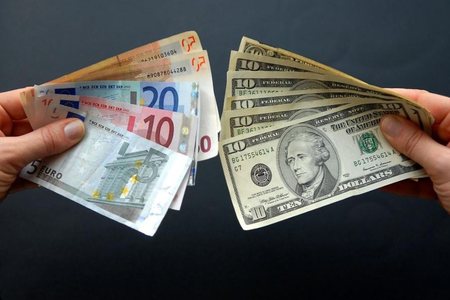
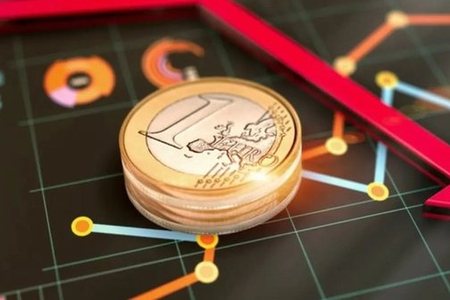
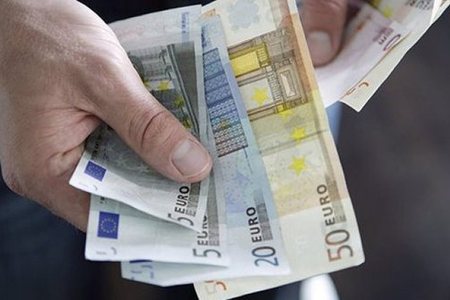
The Euro-Lek exchange rate has returned to falling again in the last two weeks. According to the official exchange rate of the Bank of Albania, on Tuesday the Euro was exchanged at 103.29 ALL, the lowest level since December 20 of last year.
From the beginning of 2024 until the beginning of March, the Euro exchange rate appeared stable near the level of 104 lek. However, as the end of the first quarter approaches, the Lek appreciation trends are renewed again. The Euro-Lek exchange rate currently shows an annual decrease of 9.7%.
In fact, a similar trend occurred last year as well, but the fall in the Euro rate started a little later, in the last week of March, and was further accentuated during the month of April.
If the trends of last year will be repeated, it is expected that the fall of the Euro-Lek exchange rate will continue during the second quarter of the year.
Between the end of March and the end of April 2023, the Euro-Lek exchange rate fell by almost three points, from the level of 114 Lek, to the level of 111 Lek.
So far, foreign trade data has shown a worsening trade balance in goods. For the January-February period, the trade deficit reached 72 billion ALL, an increase of 53% compared to the previous year. However, the external balance in goods gives only a partial picture of the progress of the external position of the economy and has an increasingly low significance for the exchange rate.
While historically the Albanian economy has a deficit balance in goods, it is compensated to a large extent by the surplus from trade in services, remittances and from the flows of the financial account, in the form of foreign direct investments.
Balance of Payments data are published late and currently do not allow for an accurate assessment. However, tourism is believed to have continued to have a positive effect on foreign exchange inflows into the economy. According to INSTAT data, for the month of January the number of entries of foreign citizens increased by 30% compared to the same period of the previous year.
The exit from the winter season is expected to bring an increasing effect of tourism in the economy and the exchange rate is one of the indicators that is expected to be more sensitive to these developments.
Last year, the fiscal policy also played a role in the tightening of the supply of the Lek and the appreciation of the Euro in the exchange rate.
If the deficit spending dynamics will be similar to the last two years, the odds are that the impact on the exchange rate will be in the same direction for this year as well. Even for January, the state budget was in surplus, in the amount of 15 billion ALL. Seeing the low pace of spending at the beginning of the year, especially capital spending, it is likely that the budget surplus will continue to expand in the coming months./Monitor



Lini një Përgjigje