


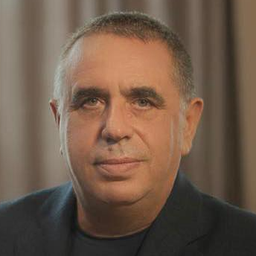
 Shkruar nga Thoma Gëllçi
The idea of moving RTSH "under the armpit of the state budget" is a step back decades.
This is the most sincere congratulations I could give today to journalist Vasili, since she also has the highest number of votes at the end of the first round for the election of the general director of RTSH. This superiority and distance from others draws attention to a document that usually receives little attention: the platform. Not the name, not the rumors of political interference, but what the candidate herself says she will do with RTSH. And that is where the concern begins.
At the top of her document, Vasili articulates the idea that “the current legal form of RTSH is not clear” and proposes turning the institution into a joint-stock company with 100% state capital. Here begins the first clash with reality – and with the law.
To illustrate this change, she brings up the example of the BBC, as a model of success, and talks about the meaning of the word “corporation” as a commercial company. But this is a fundamental misunderstanding. The BBC is not a joint-stock company. It is a “public corporation” established by a Royal Charter, and operates as an autonomous public entity, separate from the market, independent of the annual government budget and funded by a tax dedicated to citizens – the “TV license fee”. This model has nothing in common with a commercial enterprise, let alone a structure that would rely on the state budget.
The Albanian Law on Audiovisual Media, in its article 90, sanctions: "Albanian Radio and Television (RTSH) is a public, non-profit legal entity, headquartered in Tirana, which performs public broadcasting services in the field of audio and audiovisual services in the Republic of Albania."
So, RTSH, like the BBC, is a public corporation created by law of Parliament that functions as an autonomous public entity, separate from the market, without a profit motive.
The return of RTSH to a joint-stock company does not give it any advantage in terms of commercial activity, purchases and sales, tenders and agreements with other companies – as Eni states on its platform – but on the contrary, it narrows its activity and puts it under the control of the government and the Ministry of Finance or Economy. If RTSH were to return to a joint-stock company, it would also have to be managed by the Board of Shareholders, which in this case would be the government of Albania.
In her platform, Ms. Vasili gives importance to funding from the state budget, its growth, and there seems to be an underestimation of direct funding from the apparatus tax paid by citizens.
The idea of moving RTSH “under the armpit of the state budget” is a step back decades. Instead of guaranteeing a sustainable and independent funding model, as is the case with most European public media (ZDF, ARD, RAI, France Télévisions), Vasili proposes that we rely on the political will of a finance minister who tomorrow may not have the budget for a critical documentary or an investigation into corruption.
In Germany, for example, public media are financed by a fixed monthly fee that citizens pay as part of their obligations to public information. The same thing happens in France and Italy. The goal is clear: whoever finances the media has control over the content. That is why these countries remove public media from political budgets – to protect them from politics.
The platform also mentions the idea that RTSH has several frequencies and that they can be used to generate income by giving them to others. But this is another lack of legal and technical knowledge. RTSH, according to the law in force, owns only two frequencies: one for its own broadcasts and another to help local television stations broadcast. Where did you get the idea that RTSH has several frequencies and that it has too many and does not need them? It seems naive, but during my experience working at RTSH I have often encountered the idea of taking an RTSH frequency and giving it to a private operator.
In reality, there are only 7 national frequencies in all of Albania, of which three are owned by the Top Channel-Digital group, two by RTSH, as we explained above, one by Klan television and one by Vizion Plus and Tring television.
In the second part of her platform, Eni Vasili emphasizes the composition of the channels. Here we come to the idea of dividing the screens according to political beliefs. One channel for the position, one for the opposition. So that everyone feels represented. Even the ballists and partisans. In fact, answering a question from a member of the Steering Council, Ms. Vasili said that she had thought of the second channel for the ballists. So, the partisans should rest assured that they defended the first channel of RTSH once again. And don't be surprised if two more police checkpoints are proposed tomorrow: one for the SP, one for the DP; two hospitals, one for the position and one for the opposition. We will only have one tax: only for the opposition.
This is pluralism according to Eni Vasili: not debate, but territorial division. Not dialogue, but a duel of monologues.
RTSH, according to this logic, will no longer be a public service, but a service with a political menu: Choose your party and we will bring you news with the appropriate flavor. Do you want it with or without propaganda?
In the area of programs and channels, it seemed as if Mrs. Vasili was not proposing any study, but had made up her mind: 7 plus 2.
Fshiheshin RTSH 3 për diasporën, RTSH Shkollë, RTSH Shqip, RTSH Agro, katër stacionet lokale të RTSH-së në Korçë, Shkodër, Gjirokastër dhe Kukës. Një pyetje që më del herë pas here përpara është kjo: nëse në RTSH punojnë shumë njerëz, rreth 1000, dhe ka shumë para në dispozicion, atëherë përse u prish punë mbajtja e kanalit të Shkollës dhe zhvillimi i tij në platforma të tjera?
Në një vend ku dega e turizmit është dega kryesore e ekonomisë shqiptare, si mund të hiqet RTSH Agro, kur ai ishte konceptuar pikërisht si një kanal i dedikuar bujqësisë, blegtorisë, peshkimit – fushave që lidhen me ushqimin e njerëzve dhe ekonominë e vendit? Si mendohet të zhvillohet turizmi i mbi dhjetë milionë turistëve pa bujqësinë? Dhe a ka mision më të madh për televizionin publik sesa ndërtimi i një kanali të mirë didaktik për bujqësinë, ushqimin dhe turizmin?
Po RTSH 3? Në një vend ku diaspora dërgon më shumë para se investitorët strategjikë, ndërprerja e një kanali të dedikuar për ta është si të mbyllësh ambasadën kulturore të Shqipërisë në botë. Dhe për ta bërë më dramatike, e gjithë kjo është në kundërshtim të plotë me ligjin, që në nenin 13 të Ligjit për Diasporën sanksionon qartë se RTSH duhet të ofrojë një kanal të dedikuar për këtë komunitet. RTSH 3, kanali për shqiptarët jashtë vendit, është vënë në shënjestër për mbyllje.
Bile Këshilli i vjetër Drejtues ka një vendim për këtë. Por ky nuk është vetëm një veprim arbitrar. Është shkelje e ligjit. Jo vetëm Ligji për Mediat e kërkon një gjë të tillë, por edhe Ligji “Për Diasporën”, neni 13, e detyron RTSH-në të ketë një kanal të posaçëm për diasporën. Ai nuk është një dëshirë, por një detyrim ligjor. Dhe për më tepër, është një urë që lidh mbi një milion shqiptarë jashtë vendit me gjuhën, kulturën dhe informacionin nga atdheu.
Mua gjithmonë më habit fakti se si mund të propozohet mbyllja e kanalit RTSH Shkollë? Ky kanal e tregoi veten për dobinë e vet në kohën e pandemisë, por edhe sot shërben si model për qindra mësues se si duhet dhënë mësimi, sepse për ngritjen dhe përgatitjen e materialeve të këtij kanali u angazhuan mësuesit më të mirë të Shqipërisë.
Në RTSH Shkollë, fëmijët – dhe jo vetëm ata – mund të mësojnë se fjala e bukur shqipe “hapur” duhet përdorur për fjalën e huazuar “open” që përdoret vetëm me qëllim snobist, sepse shqipja nuk e shpreh dot si duhet. Ose, siç thotë një personazh i një filmi: “Ma ngatërron çupën kjo shqipja e mallkuar!”
RTSH Shkollë, në vend që të mbyllet, duhet të zhvillohet. Rrugët dhe mjetet për zhvillimin e tij janë të shumta, por unë nuk do të ndalem sot në këtë gjë.
Si mund të fshihen me një të rënë të lapsit studiot lokale të RTSH-së, një pasuri e jashtëzakonshme e radio-televizionit publik që e bëjnë të veçantë RTSH nga të gjitha kanalet e “qendrës”, që në fakt është pjesa më e prapambetur e shoqërisë dhe përfaqësuese e antivlerave?
Kjo ishte platforma e famshme që ka marrë më tepër vota deri tani. Asnjë fjalë për radion. Asnjë fjalë për lajmet. Asnjë fjalë për programet.
Most worrying of all is the complete lack of content on the platform. There is no mention of investigative journalism, nor independent reporting, nor any plan to strengthen editorial staff or support research. An RTSH without journalists who ask questions, who seek the truth, who denounce abuses and who illuminate the dark recesses of the state is not public media. It is a propaganda washing machine.
At a time when in countries like Sweden and Denmark, public media are increasing investments in investigative journalism as a guarantee of transparency in society, RTSH is being proposed to be stripped of any means of being a guardian of democracy. And this is tragic. In the end, this platform does not talk about content, about audience, about education, about culture, about equality of voices. It talks about structures, boards, regulations and a technocracy that hides the goal: to turn RTSH into another apparatus under the control of the government.
In the field of technological development, the only proposal in those 15 lines he wrote is the opening of a mobile application for RTSH (the one that RTSH had but was closed by my successors at the time when it had over a million downloads). Not a word about the directions in which radio and television technology should go, not a word about the archive. Not a word about developments in radio, social media, etc., etc. It is not a reform. It is a return. From a media that should serve the citizen, to a media that serves the patron. And in this turn, the citizen has been forgotten. As always.
But this platform is now the most popular among the members of the Board of Directors, so the only hope is that Eni becomes director but does not implement her platform. She can borrow the platform of one of the other candidates. They are much closer to content and real reform.
Let her become director, but implement Laureta Roshi's platform. Or Flamur Bucpapaj's. Or Elton Meta's. Or anyone else's, no problem. Each of the other platforms brings something good to RTSH.


Lini një Përgjigje