


 Shkruar nga Andi Bushati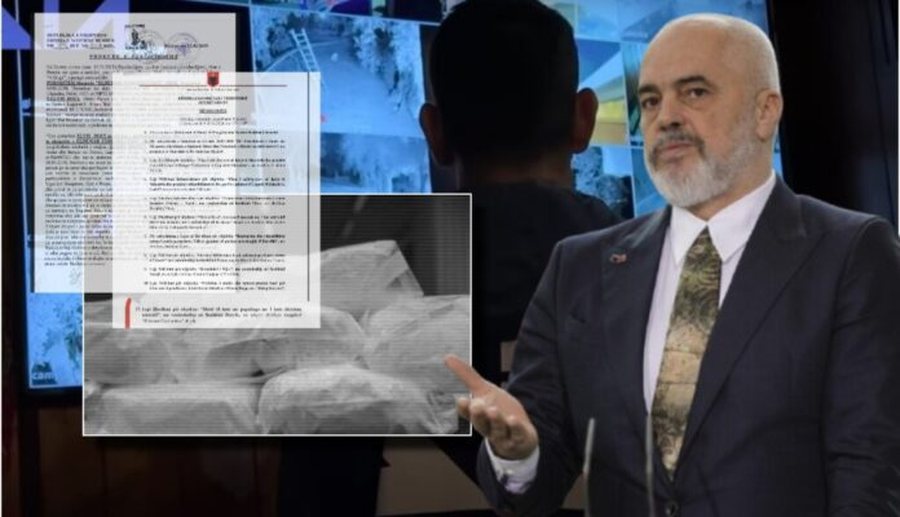
It is no coincidence that the Tromplins, the Çyrbja, and the Suel Çela gang, not to mention many other cases, are all accused by the opposition of being election manipulators.
The Italian anti-mafia crackdown on what was considered one of the most dangerous drug trafficking groups in the country is more than just a news story, it is another political stain on the tarnished body of this government.
This action, more than providing us with facts about how cocaine came from Latin America, how it arrived at the port of Durrës, how it was redistributed from there to Italy and throughout Europe, and how the money obtained then ended up being laundered in Albania, shows something else. It is not simply an x-ray of the Troplin criminal organization, but a testament to how the government of recent years has functioned and how it manages to be confirmed after every electoral challenge.
Let's take them concretely with examples...
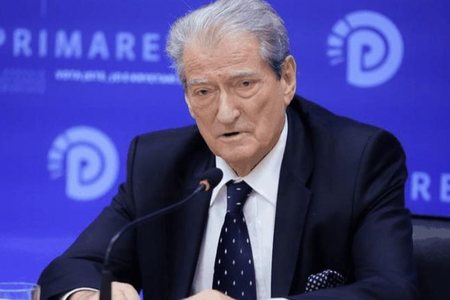
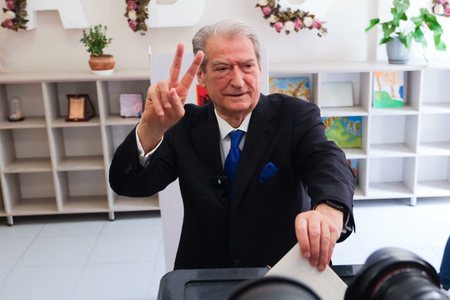
The leader of the DP, Sali Berisha, several times before May 11, denounced this gang for intimidating the DP candidates and openly campaigning for the SP. Numerous reporters have claimed that at least two of the members of the Socialist list for Durrës are its direct people. But even if we take these statements with suspicion, the facts are still stubborn.
In the file of the Italian anti-mafia prosecutors and in the statements of their Albanian bailiffs, it is clear that one of the leaders of this organization was directly rewarded by Edi Rama with a building permit. Elvis Doçi, known as “Visi i Pojës”, the nephew of Xhevdet Troplini, with the company “Eldemar Construction”, which is entirely owned by him, won in April 2024 the right to build a ten-story hotel in the city of Durrës. Here the issue is not simply who signed and who benefited. The questions go beyond: how is our tourism industry developing? Who is investing in it? And above all with what money? This is where we come to another point. Whenever they are faced with accusations of money laundering in the construction sector in Albania, members of the government feign ignorance or justify themselves by saying that they are the fruit of the savings of Albanian emigrants, that the lack of lending is justified by buying from the bottom, and other nonsense.
The Italian dossier shows us in detail, video and photos how drug money sold in Italy arrives in Albania, clandestinely via buses. It is precisely this money – which keeps the euro exchange rate low – that serves as injections for the economy and which also determines elections once every four years.
And this is not an isolated case. Didn't the socialist MP Jurgis Çyrbja end up in handcuffs, who emerged from SKY wiretaps as the man placed on a list by gangs and even a spy on their behalf in parliament?
But when part of the Suel Çela group's file was made public at the end of last year, didn't the name of a businessman, Marsel Shega, who supplied the organization with money from public tenders, which he received from socialist rulers, appear there? Hadn't the two arrested brothers of this gang managed to promote their sister Adelajda Roka straight to Edi Rama's anteroom, precisely as director of the Territorial Development Agency, where construction permits are decided?
It is no coincidence that the Tromplins, the Çyrbjas, and the Suel Çela gang, not to mention many other cases, are all accused by the opposition as election manipulators. Not even the extreme naivety of useful idiots, who do not want to see these facts connected, is enough to cover the quadrilateral made up of voter fraud, black money, criminal gangs, and favors with public works or building permits that the rilindats grant them. This is the real basis of power in Albania.
Unrelated to it, there is no way to see even some questions that have been raised in recent hours: Why, when the Italian court signed the arrests in February, were they only executed now? Could it be that the Tromplins, like Bajrat in the local elections, were set free to finish their work with the vote? But how did "Visi i Poja" manage to flee in an unknown direction, perhaps someone returned the honor of what he did in the campaign? But the ridiculous SPAK Task Force, which was presumed to have had them under surveillance for months, saw nothing of what was happening in Durrës, despite the denunciations of those who shouted: "They are robbing us"?
After the dossier we read, these questions remain in the air, although they will always be found by those who will "in good faith" swear that this has nothing to do with May 11th.


Lini një Përgjigje