


 Shkruar nga Spartak Ngjela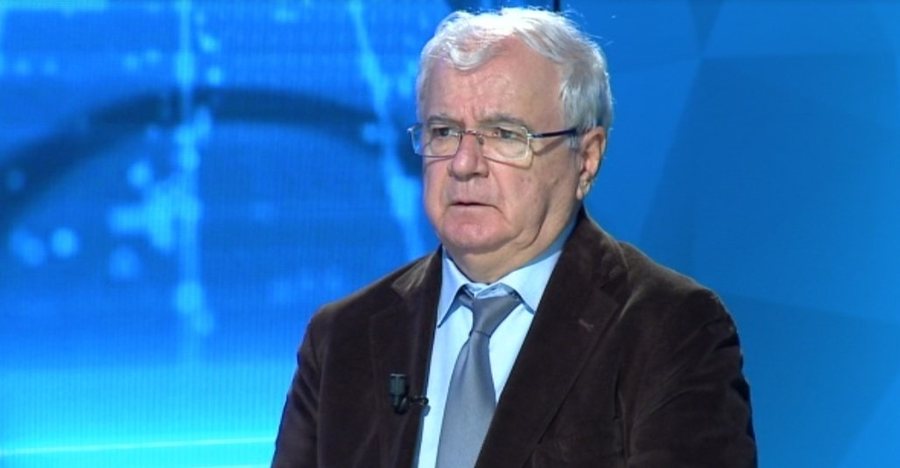
The great strength of the Albanian language has come from the strength of thought of those first who created it according to the words.
The Albanian language and its strength. There are three articles of this theoretical character.
This is the first article. Nothing changes in reality if it didn't change in your mind.
But the great strength of the Albanian language came from the strength of thought of those first who created it according to the words.
At the same time, the strength of the great talent of the Albanian people, who have developed a great language like the Albanian language in thousands of years, was needed.
(See the great work of the great Albanian linguist Petro Zheji, entitled: The Messianic Role of Albanian.)
Because...
Today, the Albanian language has been scientifically proven to be a great language that, with its words, has given mental strength to all the great languages of Europe.
And here we are giving some examples for the judgment that I express.
But we will continue even further, following this article...
I.
Word and Thought
Our thought, which goes as far as philosophy and science, could not have been created without the word.
Yes, your opinion about something or a phenomenon conceived as such has not changed, nor has something that you have seen changed, nor the phenomenon that you have conceived by expressing it through your language.
It is the internal action of your mind that has conveyed the phenomenon to the thought, but the thought itself could not exist without the word.
Without the word nothing, this is the philosophy of our thinking.
But...
We do not know well, say the profound analysts of modernity, that everything natural that man has seen, he named himself.
Yes, one must be careful that there are two enigmas of the mind: the beautiful and the ugly - two major concepts that have brought both art and savagery, but also beautiful painting as art. Therefore, it is the naming of things and the abstraction of beauty and ugliness, as opposites in social morality, that have brought peace to the human mind, the pleasure of beauty, but at the same time also ugliness, crime and war as human aggression against beauty.
And right here comes the conceptual conflict between good and evil, which, in our opinion, is the very difference between beauty and ugliness.
II.
But we must remember that even the beauty of a woman changes over time, but it does not come out of the type of beauty that has flown from girl to woman.
And modern aesthetics, beauty or the beautiful as an aesthetic concept brings from the beauty of the woman, because the expression "a beautiful woman" was first expressed linguistically for the woman.
Therefore...
According to modern aesthetics, the concept of beauty in this civilization has come from the beauty of women.
Estetikisht, bukurinë e ka gruaja, prandaj dhe çdo vajzë e bukur, kur vjen në grua, është edhe më e bukur. Ja, shikoni fotot e aktoreve të madha: nga Sofia Loren, Nicole Kidman, Gina Lolobrigita e gjithë të tjerat që kanë ecur nga një vajzë e bukur, në një grua me bukuri magjike.
Por, nuk duhet harruar se është kjo bukuri gruaje që ka sjellë artin, letërsinë pikturën, poezinë dhe romanin e madh.
Kudo gruaja, bukuria e saj, që sjell lumturinë e dashurisë, por edhe urrejtjen, edhe krimin e xhelozisë.
Dhe këtu është mbështetur dhe i gjithë arti, pikërisht te kjo bukuri gruaje magjike, që bashkë me kënaqësinë, shpesh ka sjellë edhe xhelozinë e burrit, krimin dhe vetë luftën, e cila, si tragjedi, fillon në histori për Helenën, në Luftën e Trojës, dhe vijon me të gjitha tragjeditë që vijuan e po vijojnë në historinë e qytetërimit...
Por, le të qëndrojmë ende te koncepti i të bukurës.
III.
Gjuha dhe koncepti i të bukurës
Dhe ja disa shembuj ku qëndron thellësia e shqipes në bukurinë e saj:
Folja mendoj.
Është unike dhe në nivel të lartë konceptual, sepse është fjalë që rrjedh nga "mendja" si emër, në "mendoj" si folje.
Asnjë gjuhe tjetër nuk e ka këtë dhunti.
Italisht... Pensare (me mendue)...io penso: unë mendoj - që nuk ka asnjë lidhje me fjalën "mente" që në italisht i thonë mendjes.
Anglisht: l think (unë mendoj) ndërsa mendjes anglisht i thonë: mind.
Por, a e shihni që vetëm gjuha shqipe e sjell foljen mendoj nga mendja si emër, dhe del si emër në trajtën "mendim", por, dhe edhe në foljen mendoj? - dhe, e gjithë kjo rrjedhë gramatikore vjen nga emri "mendje". E shihni që një mendje shumë e thellë është krijuesi i kësaj fjale?
Folja, shtyj... Sjell fjalën pë-shtyj dhe parashtesa 'pë' nuk dihet ende si është krijuar në gjuhën shqipe, por nga kjo pjesë vjen edhe folja "pështyj", edhe emri pështymë. Por mos harroni: shikojini sa afër janë më njëra tjetrën fjalët pështymë, pështyj dhe mbiemri - "i pështirë", që don të thotë: të ngjall krupë, i neveritshëm. (!)
Fjala shtyp... na ka sjellë fjalën përshtypje, sërish, me fojlen shtyp, në kuptinin e saj primar, por është përdorur për kuptimin mendor të asaj që të ka tërhequr dhe e ke menduar menjëherë pasi e ke parë. E cila, sigurisht që, në thelb, një lloj "shtypjeje" është, që krijohet në mendje si mendim për të, në çast, mendim ky që sigurisht do të vijojë edhe me tej në shpjegimin normal të përshtypjes tënde për diçkanë që ke parë...
Folja "përdor", që vjen edhe si mbiemër - "e përdorur", por që del edhe si folje në fjalformimin , "shpërdoroj", domethëne që ti e ke përdorur keq diçka dhe po ashtu, edhe me abuzim, ke përdorur besimin që të është dhënë nga dikush. Sepse ti duhet ta përdorësh atë besim, dhe jo ta shpërdorosh.
But it should be seen with attention that all this mental flow of a word comes from the word hand, which is the main sense of work and creation in general. But, the mind of the first Albanian, from the word hand, brought the verb "give up", which comes and goes as the adjective "give up", meaning that he has left everything, except his life.
This is also a special feature of the high quality of the Albanian language.
IV.
But we must emphasize that still in the grammar of the Albanian language and in its dictionary, we do not have defined the prefix "spr" which is added to verbs or nouns and increases their meaning, such as:
From wash to rinse
From being made to being dissolved
From share to distribute
From settling to moving
Nda opens and explodes
From settling to moving
And in many other examples like these. And this is certainly a creative force of the Albanian language that no other language has yet. But it is precisely these examples that give the Albanian language its internal mental strength, which lies in the diversity of the internal conceptual thought that the Albanian word has.
And it is precisely this great conceptual strength that the Albanian word has within it, which has made the Albanian language very difficult for foreigners to learn.
V.
Here are some examples...
A big word in the Albanian language is the verb "shine", a non-transitive verb, from which comes the verb "ndriçoj": which means to emit light, and which derives from the beautiful name "ndrîçim", but that it is understood that everything comes and flows from the name - light - which in the Albanian language is an omnipotent name. The word light in today's Albanian dictionary is defined as: The set of rays emitted by the Sun or another fiery group, which are caught by the eye and make visible everything on which they fall.
Even the word "day" is a logical consequence of the word "light".
But the name "light" comes and creates in the Albanian language also names such as: lighting that also comes in the sense of development, educational and cultural progress that brings joy and happiness in life.
But we also have two opposites: light and darkness, which have taken many forms in their literal meaning in everyday language, but also in Albanian literature.
Anyway, what we analyzed above are a package of things in the explanation of the magical power that the Albanian word has in thought and conceptuality.
But we, from time to time, will have occasion to give other examples of Albanian words of this character, with even greater words in their ideological conceptuality. And all within the method we used in this article.





Lini një Përgjigje