


 Shkruar nga Blerina Allushi
The Criminal Code could become an instrument to increase the control of power, to ban all opposition movements, and to ensure that those who oppose the government are isolated and intimidated. This is a major danger to democracy, which could bring serious consequences for human rights and the entire structure of the rule of law in Albania.
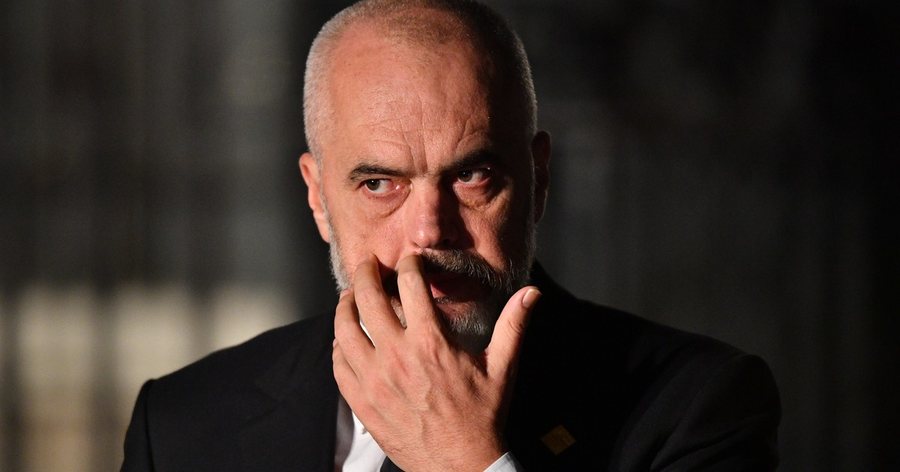
At a time when Albania is racing against time to integrate into the European Union and strengthen the rule of law, the new draft of the Criminal Code, made public just a few days ago, has caused a storm of reactions from all sides.
This draft, which has been in the secret "drawer" for almost two years, is intended in principle to strengthen the government's control over every aspect of political and social life, leading the country on a dangerous path towards authoritarianism. This is an attempt to maintain a regime similar to those of Erdogan in Turkey, which uses the justice system as a tool to tighten power and punish those who dare to criticize the administration.
Concern #1: lack of transparency and government involvement
One of the main concerns raised by this draft is that the process of drafting it has completely lacked transparency. Edi Rama's government has stated that the Ministry of Justice and the Council of Ministers have not had any direct role in drafting the code, and that they have entrusted it to a group of "subordinate" experts who, according to Rama, have worked under the leadership of the director of the School of Magistrates, Arben Rakipi, who was not satisfied with the scandals in the institution he leads. But this is a statement that constitutes a contradiction, since the experts involved in drafting the draft have claimed that the Ministry of Justice has been a key actor in this process and has had a coordinating and contributing role. This information raises serious doubts about the way this draft was made and whether it is a tool to continue strengthening the government's political influence over justice.
Furthermore, this draft has remained hidden for almost two years, creating an atmosphere of uncertainty and lack of transparency. All these actions create the impression that this project was intended to avoid debates and criticism, both at the level of civil society and from the international factor, the only one that can "catch the ear" of the government for this movement that is being tested for the public just after it took its fourth mandate by securing a full 83 seats in the Albanian Parliament, even though it fell by 35 thousand votes from the third mandate.
All these facts make any possible intention of this draft to have a positive impact on Albania's development and EU membership doubtful and uncertain.
Criminal Code, the danger of autocracy like the Turkish model
Në qendër të shqetësimit për këtë draft është fakti se ai mund të shërbejë si një mjet për të shtrënguar kontrollin e qeverisë mbi gjithëpërfshirjen e shtetit dhe shoqërisë. Sipas neneve të reja të propozuara, gjithçka që lidhet me kritikën ndaj qeverisë, denoncimin e funksionarëve të lartë, ose ekspozimin e korrupsionit, mund të kthehet në një rrezik të drejtpërdrejtë për qytetarët dhe individët që guxojnë të flasin. Ky është një hap i drejtpërdrejtë drejt një shteti autoritar, ku pushteti shfrytëzon sistemin e drejtësisë për të shtrënguar grushtin mbi çdo kundërshtar politik dhe shoqëror, siç bën “byrazeri” i tij në Ankara. Sipas këtij drafti, çdo përpjekje për të sfiduar pushtetin mund të përfundojë me ndjekje penale dhe dënime me 3 ose 4 vite burg, duke krijuar një atmosferë të frikës që mund të përhapet në gjithë shoqërinë.
Rama dhe administrata e tij shpesh kanë shprehur dëshirën për të “modernizuar” Shqipërinë dhe për t’a afruar atë më shumë me Bashkimin Europian, por në këtë rast ky draft e çon vendin më shumë drejt modeleve autoritarë të Lindjes, të tilla si Turqia e Erdogan ose Rusia e Putin. Kodi Penal mund të bëhet një instrument për të rritur kontrollin e pushtetit, për të ndaluar të gjitha lëvizjet opozitare, dhe për të siguruar që ata që janë kundër qeverisë të jenë të izoluar dhe të frikësuar. Ky është një rrezik i madh për demokracinë, i cili mund të sjellë pasoja të rënda për të drejtat e njeriut dhe për gjithë strukturën e shtetit të së drejtës në Shqipëri.
Perspektiva e integrimit në BE, vetëm një iluzion
Një tjetër aspekt që nuk mund të kalojë pa u përmendur është lidhja e ngushtë që Rama ka bërë mes këtij Kodi Penal dhe aspiratës për të çuar Shqipërinë drejt Bashkimit Europian. Në fakt, përkundër deklaratave të vazhdueshme nga Rama dhe ministrat e tij, që e shohin këtë projekt si një hap përpara për integrimin në BE, shumë analistë e konsiderojnë këtë si një manovër për të shmangur presionin ndërkombëtar dhe për të rritur ndikimin e brendshëm të qeverisë. Nëse ky Kodi Penal miratohet në formën e tij aktuale, ai mund të bëhet një pengesë e madhe për Shqipërinë, duke u larguar gjithnjë e më shumë nga vlerat e Bashkimit Europian, të cilat përfshijnë të drejtat e njeriut, lirinë e shprehjes dhe pavarësinë e sistemit të drejtësisë.
The draft has also been opposed by heads of justice institutions, as well as the media, a strong voice that will be the first to be affected if this code is voted on in the Assembly. After the head of the Supreme Court Sokol Sadushi, the Prosecutor General Olsian Çela said that the draft risks undermining justice.
The head of SPAK, Altin Dumani, also expressed reservations and questioned whether there is really a need for a new Criminal Code, or whether improvements to the existing Code are sufficient. The National Chamber of Advocates is also on the list of critics.
In this context, it is clear that Rama is trying to maintain a double approach: in appearance, he is committed to the country's integration into the EU, but in reality he is creating conditions to strengthen an authoritarian regime that could lead Albania down a dark path, far from the values of democracy and the rule of law.
While the draft has only 10 days in the public consultation process and a long road is expected to be taken until approval.
But the unexpected publication of the new draft of the Criminal Code on July 25 has many signs of a strategic maneuver by the government to test the public and political reaction. After two years of being kept in a "drawer", this document has been made known through a quick ceremony and with many unknowns, a move that raises more doubts than an urgent request for changes to the criminal law. In this context, it is not difficult to understand that this publication is a test to see how strong the public reaction is and how the opposition and international factors will react. Rama and his government are also testing the balances of power, knowing that the opposition and civil society will have a strong reaction, but hoping that this process will pass with some "adjustments" or compromises, to pass without too many obstacles.
As for the possibility of this draft passing to the Assembly for a vote, everything depends on the political factor and the pressures that will continue to come, both domestically and internationally.
With the majority that the government has in the Assembly, the possibility that this draft law will be approved is high. The harsh reactions that have been made public so far, both from the justice system and international organizations, will have a significant impact, but Rama's government has proven that it is quite determined to pass laws and reforms that serve its interests.
If this draft passes, Albania could enter a new phase, more uncertain and more dangerous for democracy and civil liberties, and this could be a historic moment that will determine much about the future of the country. @Pamfleti


Lini një Përgjigje