


 Shkruar nga Eduard Zaloshnja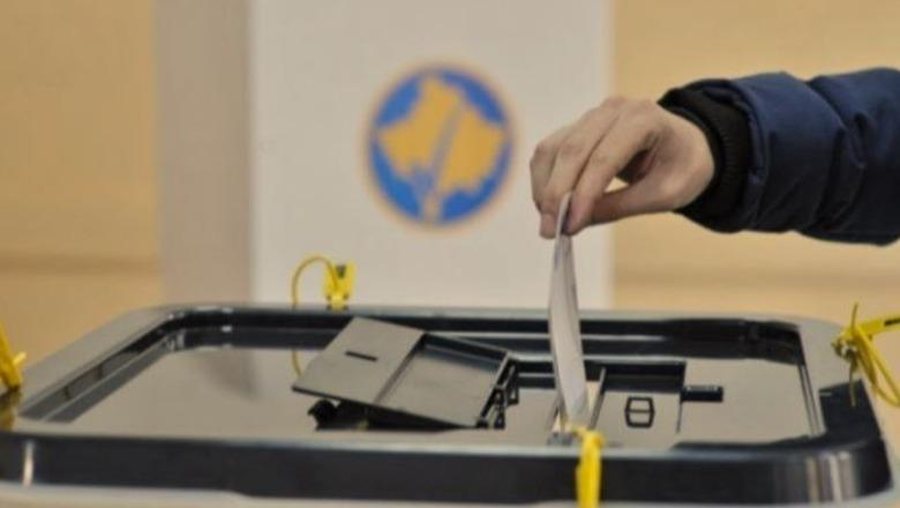
If Vetvendosje fails to secure 61 votes in the Kosovo Assembly even with the support of non-Serb minority MPs (Roma, Gorani, Ashkali, Turks, etc.), the latter's negotiations with the three major Albanian opposition parties will then come into play.
Today, it will be determined who will go to the 120 seats in the Kosovo Assembly – predetermined by the constitution for 100 Albanian deputies and 20 deputies from non-Albanian minorities. To determine who will be the Prime Minister of Kosovo after the elections, at least 61 votes in the Assembly are needed.
In the previous parliamentary elections, Vetvendosje secured 58 seats in the Kosovo Assembly, and needed the help of MPs from non-Serb minorities (Roma, Gorani, Ashkali, Turks, etc.) to give Albin Kurti the prime ministerial mandate.
According to the latest polls in Kosovo, Vetvendosje could secure 44-52 seats at the end of voting today (the variation is wide in different polls). However, the chances are quite high that Kurti will not be able to secure the prime ministerial mandate with Vetvendosje votes alone.
Thus, even if Vetvendosje manages to secure the maximum of 52 seats in the Kosovo Assembly, it will also need the votes of non-Serb MPs (Roma, Gorani, Ashkali, Turks, etc.) to elect Albin Kurti as Prime Minister. But the latter may come under strong pressure from the international community, which seems to not want another term as Prime Minister for Kurti.
If Vetvendosje fails to secure 61 votes in the Kosovo Assembly even with the support of non-Serb minority MPs (Roma, Gorani, Ashkali, Turks, etc.), the latter's negotiations with the three major Albanian opposition parties will then come into play.
Whatever happens, it seems that the non-Serb minority MPs may once again be decisive in the election of the next prime minister in the Kosovo Assembly...




Lini një Përgjigje