


 Shkruar nga Paolo Rossetti
Will Trump's game work in the rift between Iran and Arab countries?
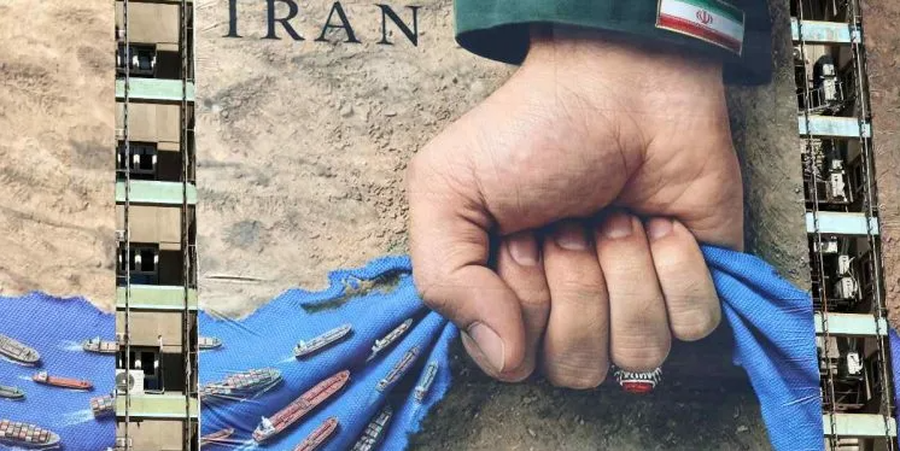
Iran is emerging from the conflict with a stronger negotiating position and is seeking sanctions relief as a condition for opening the Strait of Hormuz. Meanwhile, the US is trying to tie the Iran deal to an expansion of the Abraham Accords in the Middle East. This approach aims to influence the Gulf states, but risks complicating negotiations and regional balances.
Iran is in a position of strength and is demanding that the US ease sanctions as part of a deal to open the Strait of Hormuz. Meanwhile, Donald Trump is changing the diplomatic landscape, demanding that several Middle Eastern countries sign the Abraham Accords with Israel.
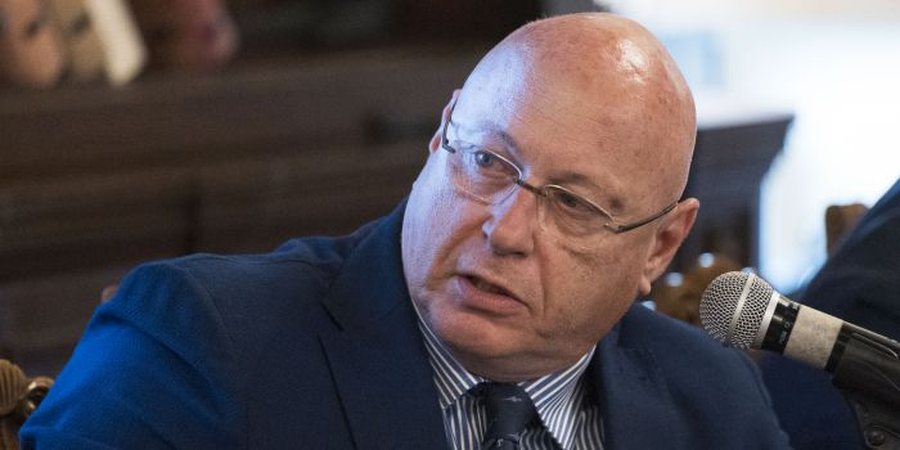
According to analyst Gianandrea Gaiani, director of Analisi Difesa, the dynamics between the US and Iran are characterized by sudden accelerations and decelerations, but overall the negotiations are moving towards an agreement. Iran, he says, has emerged strengthened from the conflict and is now negotiating without being in a position of submission.
Trump ties the Iran deal to the signing of the Abraham Accords for countries like Saudi Arabia, Qatar, Pakistan, Turkey, Egypt, and Jordan. What game is he playing?
He fears that a peace deal with Iran, clearly showing the decline of American influence, could push these countries to abandon the agreement with the US. So, he fears that they could fall out of the American orbit. Meanwhile, the Abraham Accords would keep them tied to America and Israel. However, it is a demand that does not make much sense, because many of these countries, if they joined them, would face popular revolts.
What is the message to Iran?
A US-Iran deal has been discussed for months, causing concern in Israel, which has been sidelined. And now Tehran must expect all Arab countries to become Israel's friends? In this way, Trump aims to consolidate an alliance against the Iranians.
From the perspective of the Tehran regime, this makes no sense: after months of bilateral dialogue, now the process becomes multilateral?
The only explanation is that the US feels so weakened that it fears that these countries will break away from military and strategic dependence on Washington. Or in the Republican Party, Ted Cruz and Lindsey Graham have won, according to whom this agreement increases Iran's regional power.
Iranians report progress, but deal not imminent. What's going on?
Lufta që u zhvillua, ajo e 40 ditëve, është fituar nga Irani, ose të paktën nuk është humbur prej tij. Asnjë nga objektivat që Izraeli dhe SHBA kishin shpallur publikisht nuk është arritur. Programi bërthamor ushtarak, nëse ekziston, pasi Irani gjithmonë e ka mohuar, nuk është shkatërruar.
Edhe programi raketor nuk është eliminuar dhe Irani, sipas inteligjencës amerikane, ka ende rreth 70 për qind të raketave që kishte në fillim të luftës. Prandaj çdo negociatë nuk mund të nisë me idenë e një diktati ndaj Iranit. Teherani po negocion nga pozita force.
Trump kërcënon me luftë nëse gjërat nuk zgjidhen. A ka ende një kartë për të luajtur?
Është një kërcënim i dobët, sepse raportet tregojnë se SHBA dhe Izraeli kanë mungesa në municione të rëndësishme, si raketa kruiz dhe raketa anti-raketë. Opsioni ushtarak është pak i besueshëm dhe jo i qëndrueshëm në kohë. Prandaj duhet negociuar me Iranin, i cili vendos kushtet e veta. Kjo e bën të vështirë arritjen e kompromisit, sepse të gjithë duan të dalin fitues.
Nga kampi iranian thuhet se po negociohet për përfundimin e luftës, jo për programin bërthamor. Pra për momentin po flitet vetëm për Hormuzin?
Irani dhe SHBA-ja po bisedojnë për shumë çështje që nuk i bëjnë publike. Teherani nuk ka problem të heqë dorë nga programi bërthamor ushtarak, sepse gjithmonë ka deklaruar se nuk synon ta zhvillojë. Është një lëshim që mund ta bëjë, por do ta shesë shtrenjtë: rishikim i thellë i sanksioneve dhe mundësia për të eksportuar sërish me heqje graduale të tyre.
Irani mund t’ua japë këtë “kënaqësi” amerikanëve për çështjen bërthamore, sepse e di që SHBA nuk mund t’i paraqesë Izraelit një marrëveshje që nuk përfshin eliminimin e programit iranian. Zgjidhja më e arsyeshme është që rezervat iraniane të uraniumit të pasuruar mbi nevojat civile t’i dorëzohen Rusisë, e vetmja palë që mund të garantojë se nuk do të përdoren për qëllime ushtarake.
Cilat janë temat e tjera në tryezë?
Nafta. Për të nuk flitet shumë, por ka shumë gjasa që SHBA të kërkojë heqjen ose reduktimin e sanksioneve, që Irani të rifillojë eksportin e naftës dhe gazit, edhe në dollarë dhe jo vetëm në juan apo monedha të tjera. Për SHBA-në kjo është domosdoshmëri, siç e ka treguar edhe rasti i Venezuelës.
Në Hormuz, iranianët duan tarifa dhe kanë krijuar një autoritet për kalimin e anijeve. A mund të heqin dorë nga kontrolli i ngushticës?
Që kur duket se marrëveshja është afër, nuk po flitet më për tarifa. Irani kërkon një instrument për të riparuar dëmet e luftës, por SHBA-ja kërkon liri të plotë lundrimi. Irani mund të ushtrojë kontroll së bashku me Omanin, me të cilin ka pasur bisedime, por pa tarifa. Nga ana tjetër, SHBA mund t’i lejojë Iranit përfitime ekonomike duke lehtësuar më tej sanksionet, për të rritur eksportet e naftës dhe të ardhurat për rindërtim.
Pra s’do të ketë tarifa?
A tariff on Hormuz for Iran would mean an open show of victory, which the US cannot afford. A neoconservative like Robert Kagan wrote in The Atlantic that this was a poorly planned war that “gave Hormuz to Iran.” Trump cannot accept this because it is related to his image, especially if the negotiations last until the end of July, a few months before the midterm elections.
How will both sides present the agreement as a victory?
Iran can now present it as a victory. The US, if it manages to block Iran's military nuclear program, which Tehran says does not exist, can call the new deal a success. The reopening of Hormuz, although it was open before the American attack, will also be sold as a victory. China is also believed to have pressured Trump for a deal, because Iran could not be treated as a power while it still controls the strait.
Why did Trump switch from ultimatums to asking for time?
No one is in a hurry, because everyone wants to appear calm and balanced, as a winner should. In the end, Iran will benefit, but the US will also claim success. However, the lifting of sanctions will strengthen the Iranian regime.
Can economic growth be repeated like after the agreement with Obama?
Yes, something similar could happen. Iran, like Cuba, is not a democratic country with political pluralism, but its poverty is largely linked to 50 years of US sanctions, which have been joined by other countries, including European ones.
What role do Israel and the war in Lebanon play?
Iran and the US have an interest in reaching a reasonable agreement. But Israel is the US's weak point, as Iran demands that the agreement also include the end of hostilities in Lebanon. Trump has assured Netanyahu that the fighting will be suspended, but could resume if Hezbollah attacks again.
There are nuances, because in that area everyone attacks everyone. At the same time, Iran's weak point is Hezbollah, which is unlikely to give up resistance, just as the Israeli army is unlikely to withdraw from southern Lebanon. These two elements could jeopardize the agreement before and after signing.
Could Netanyahu pursue a new strategy in Lebanon?
He could present as a success an Iran that gives up its nuclear program and claims territorial gains in southern Lebanon, southern Syria and northern Gaza. This could be a convenient political narrative for him./ Pamphlet from “Il Sussidiario”


Lini një Përgjigje