


 Shkruar nga Mero Baze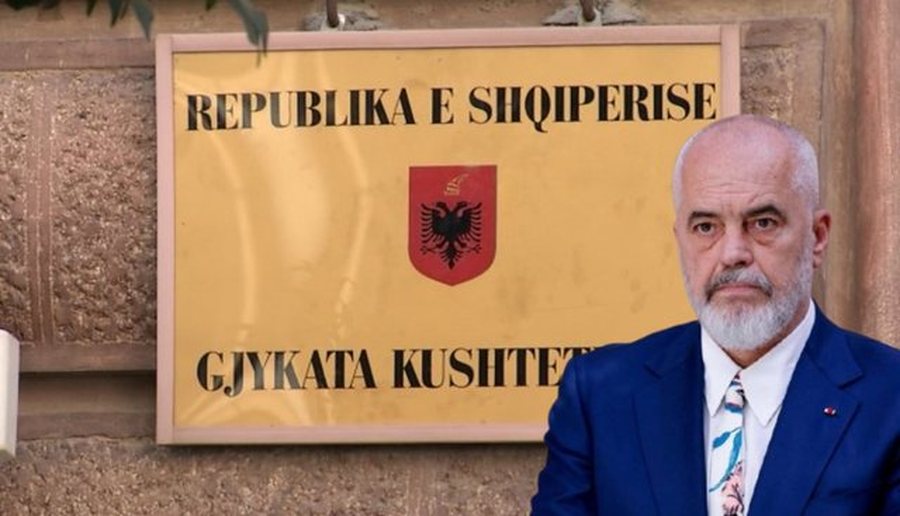
This decision, although it is triggered by Mrs. Balluku, is not a decision for her, but for the future of relations between the judiciary and the government...
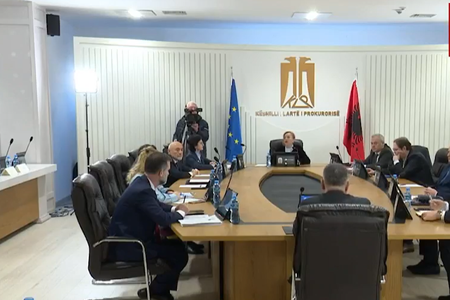
Prime Minister Edi Rama has won the first battle with the decision of the GJKKO and SPAK to suspend Deputy Prime Minister Belinda Balluku, following accusations of inequality in tenders. The decision, which is not final, but shows the tendency of the majority of the court towards the Prime Minister's approach in this battle with justice, if it ends up like this, standardizes the relationship between justice and the immunity of senior officials, setting the court a red line that it cannot cross in relation to the legitimacy of those elected and appointed to the head of government.
In this respect, this is a principled battle between the prime minister and the judiciary, which determines the boundaries of each party in power, the government, and the judiciary.
Starting tomorrow, Ms. Balluku can go back to the office to continue her work, awaiting the final decision, which will be given on January 22, and which will seal the fate of this battle between the government and the judiciary.
This decision, although it is triggered by Ms. Balluku, is not a decision for her, but for the future of relations between the judiciary and the government.
Although Edi Rama has waged a public battle for several days over this trial, often referring to the government's work being blocked, it has not been a direct battle for Ms. Balluku, but a battle for the limits of government power and justice.
For this reason, this process is historic, as it sanctions the boundaries of these powers and leaves no room for debate in the future.
Given that there are very few similar cases in the world and none in Europe, due to the different attitudes they have towards court decisions, Edi Rama's battle has been worth it to clarify this standard.
Following this decision, Prime Minister Rama is free to keep Ms. Balluku in the position she holds today until a final decision by the courts on the charges brought against her, or for Ms. Balluku herself to resign and face justice as an ordinary MP.
This is a matter of political will, not justice, and has nothing to do with this decision, nor with what will be made on January 22. This is a decision about the power of the government and the limits of this power in relation to justice.




Pra, sic tha Manjani, u denoncua puci I drejtesise kunder shtetit te te zgjedhurve. Nje tjeter fakt tjeter ky, qe verteton se drejtesia jone eshte nje alabakeri e peshtire.