


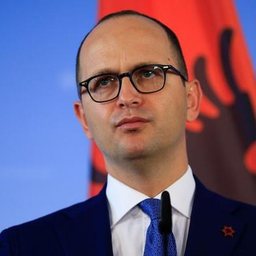
 Shkruar nga Ditmir Bushati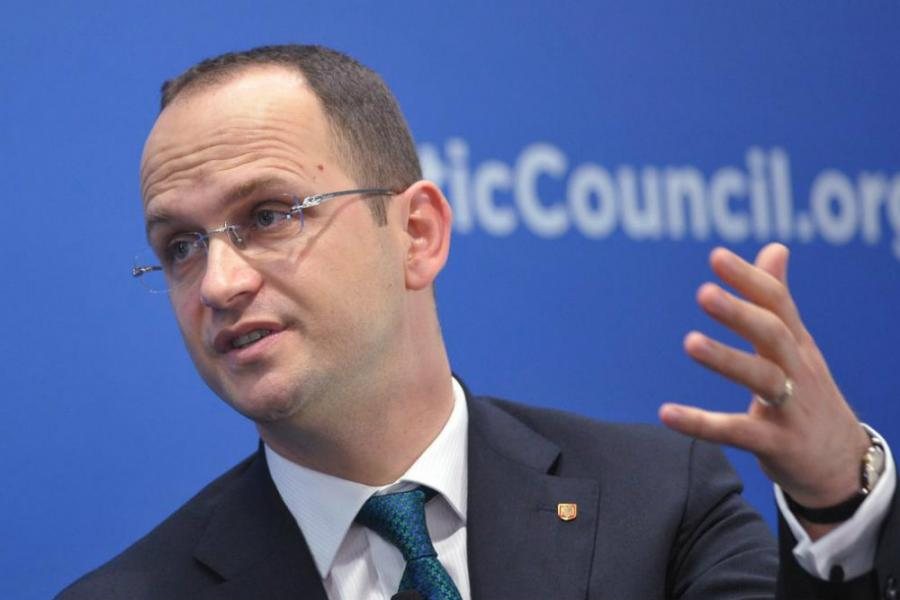
About 150,000 Albanian citizens benefited from the solution to the problem of registering children born in Greece from one or both parents who do not have a residence permit in Greece.
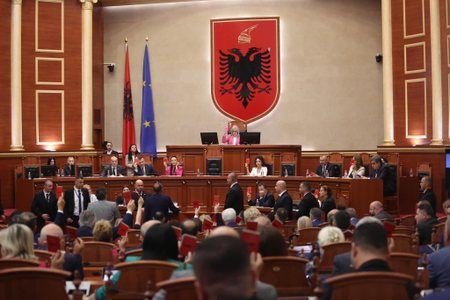
Last week, the Parliament of Albania approved a declaration for the repeal of the law of war by Greece against Albania. The declaration proposed by the parliamentary group "Democracy and Integration" and approved by consensus by the Parliament of Albania calls on the Greek parliament to promote the repeal of martial law. At the same time, it asks the Albanian government to continue its efforts to enable the repeal of the law and its consequences.
The repeal of the absurd law of war that Greece still maintains in force against Albania would also be read as a concern for the Greek national minority, as long as the legal act is in force, which holds under sequestration the properties of the Albanian state, Albanian citizens, including those of Greek nationality.
The declarations or resolutions of the Assembly have an important weight because they embody the political will of the representatives of the sovereign. Usually, they are done for issues where sensitization or shaking of the government in particular or society in general is needed. These documents are accompanied by concrete tasks and a reporting and control mechanism before the Assembly.
In the exercise of foreign policy, the time and context in which certain actions are taken are important. For example, in 2013, due to the fluctuations of Albanian foreign policy, the Assembly adopted a resolution where the government was asked to make the "Cham issue" part of the diplomatic file with Greece and to report to the Assembly on its progress. A few months later, this issue was included to be addressed in accordance with international standards of freedoms and basic human rights, in the political program voted in the Assembly on September 15, 2013.
11 years later, the Assembly approved a declaration on an issue, for which, from the day of the declaration of the state of war until now, no government, regardless of the form of the regime, has had any dilemma in Albania. Immediately after the end of the Second World War, Albania requested the lifting of the law of war by Greece at the Paris Peace Conference in 1947. Similarly, in the bilateral plan, the restoration of diplomatic relations with Greece in 1971 was accompanied by Albania's continuous demands for the abolition of this regime.
It is worth noting that the range of unresolved issues with Greece, regardless of their specificity, is wider than the law of war. Albanian-Greek relations are typical Balkan relations. A tough love where there are no shortage of episodes that are dominated by the lack of rationality or the fusion of the borders of foreign and domestic politics.
With the aim of dealing with unresolved issues and opening a new chapter in bilateral relations, at the end of 2013 it was thought that these issues should be presented systematically. Subsequently, these issues were included in what is known as the "package of bilateral issues". Issues that span a period of time from the imposition of the law of war on the part of Greece against Albania, up to those of the present day. In this dynamic bilateral process, the important international institutions of which Albania is a member were kept informed about the progress of the talks, in addition to the responsible constitutional institutions of the country. The positions of the representatives of these international institutions on concrete issues have also been reported in the media.
Sometimes it is forgotten that through this process some of the issues affecting the citizens were concluded. Addressing the issue of toponyms in accordance with the rules and practices of the UN eliminated the obstacles in the cross-border movements of our citizens. Greece removed the reservation for the use of the apostille stamp, saving the pockets of our citizens about 5 million euros per year for various documents.
About 150,000 Albanian citizens benefited from the solution to the problem of registering children born in Greece from one or both parents who do not have a residence permit in Greece. Driving licenses were recognized. About 800 euros cost Albanian citizens in Greece the procedure of recognizing the license. Work on revising the textbooks, based on the 1998 agreement, resumed, exchanging reports on the findings in the respective textbooks on issues of concern to each side.
For the implementation on the ground of the 2009 agreement on the search, exhumation, identification and reburial of Greek soldiers fallen in Albania, during the Italo-Greek war of 1940-1941 and the construction of a resting place for them in the territory of the Republic of Albania, several technical protocols with the aim of: (i) determining the number of Greek casualties; (ii) specifying the areas where excavations should be carried out; (iii) the method of identifying the fallen; (iv) ensuring the presence of all relevant institutions during the exhumation process and the accompanying documentation of the process.
For the rest of the unresolved issues of the package, there was documented progress on the state track, although not a final solution. The political changes in Greece in the middle of 2019 brought back to government the "New Democracy" party, which was in government during the signing of the agreement on the delimitation of maritime spaces with Albania, in 2009. For this party, this agreement was considered the most important achievement. Greece's major strategic role in foreign policy.
Ndryshimi politik në Greqi u shoqërua me një qasje të ndryshme mbi paketën e çështjeve të pazgjidhura mes dy shteteve tona, lidhur me mënyrën sesi u veçua nga paketa dhe sesi do të adresohet çështja e delimitimit të hapësirave detare. Për shembull, paketa përmbante edhe trajtimin e marrëveshjeve për administrimin e piramidave dhe shenjava kufitare si dhe atë të bashkëpunimit ndërkufitar. Ndonëse jo të lidhura në kuptimin ligjor fjalës, përfundimi i këtyre marrëveshjeve, paralelisht me atë të delimitimit të hapësirave detare, mbyll përfundimisht çështjet kufitare mes Shqipërisë dhe Greqisë, e njëkohësisht varros çdo pretendim territorial të qarqeve ekstremiste.
Pavarësisht përpjekjeve disavjeçare që çështja e delimitimit të hapësirës detare të mbetej në nivel dypalësh, mënyra e zgjidhjes së kësaj çështje dypalëshe u bë pjesë e dokumentit të Kuadrit Negociues që do të udhëheq procesin e bisedimeve të anëtarësimit të Shqipërisë në BE. Megjithëse BE-ja ka në gjirin e saj shtete anëtare, të cilat ende nuk kanë gjetur rrugën e zgjidhjes me njëra-tjetrën për çështjet e delimitimit të hapësirave detare, për shkak të mungesës së një standardi europian, insistimi i Greqisë për ta bërë këtë çështje dypalëshe, që zgjidhet përmes të drejtës ndërkombëtare, pjesë të agjendës europiane, shton në mënyrë të padrejtë presionin ndaj Shqipërisë.
Negociimi i çështjeve në paketë ndihmoi edhe në reduktimin e paragjykimeve. Të dhënat e vrojtimit të qershorit të këtij viti të Fondacionit grek për Politikë Europiane dhe të Jashtme, mbi marrëdhëniet shqiptaro-greke, tregojnë informimin dhe reduktimin progresiv të paragjykimeve të shoqërisë greke për disa prej çështjeve të pazgjidhura dypalëshe, përfshirë “çështjen çame”. Natyrisht, kjo nuk eklipson faktin që segmente të caktuara të partisë në pushtet “Demokracia e Re”, mbajnë ndezur flakën e nacionalizmit të dikurshëm duke nxitur zbatimin e një politikë arrogante ndaj Shqipërisë.
Megjithatë, e dhëna më inkurajuese e vrojtimit të opinionit publik grek, ka të bëjë me pranimin gjerësisht të shqiptarëve që jetojnë e punojnë në Greqi, si forcë përparimtare, çka imponon një dinamikë të re në marrëdhëniet shqiptaro-greke. Asgjë s’ka të panjohur në marrëdhëniet shqiptaro-greke. Konstatimet e kritikat rreth problematikave të ndryshme nuk duhet të ngatërrohen me përpjekjet për të gjetur zgjidhjet e duhura për to. Fillimisht nevojitet kohë për t’u shëruar nga “plagët” e marra sidomos gjatë vitit të fundit, për të dalë nga gjendja midis konfliktit dhe sikletit. Më pas, aktet deklarative duhet t’ia lënë vendin disiplinës strategjike në trajtimin dhe mbylljen e të gjitha çështjeve me fqinjët.
Geography and history are irreplaceable components in interstate relations. No one chooses their neighbors, as happy and difficult days are faced with them. Meanwhile, history allows us to draw lessons to look to the future with optimism. Nothing is impossible in the Albanian-Greek relationship, as long as there is a mutual will to build a common European future. This requires giving up the mindsets of the past and accepting the fact that we live in a troubled era, from a security point of view, where dealing with unresolved issues with neighbors is a priority. Above all, the Albanian-Greek relationship requires the building of a solid bridge for the future, without remaining hostage to the past./ Spotlight on Foreign Policy


Lini një Përgjigje