


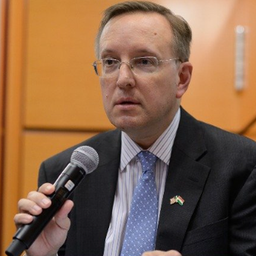
 Shkruar nga David J. Kostelancik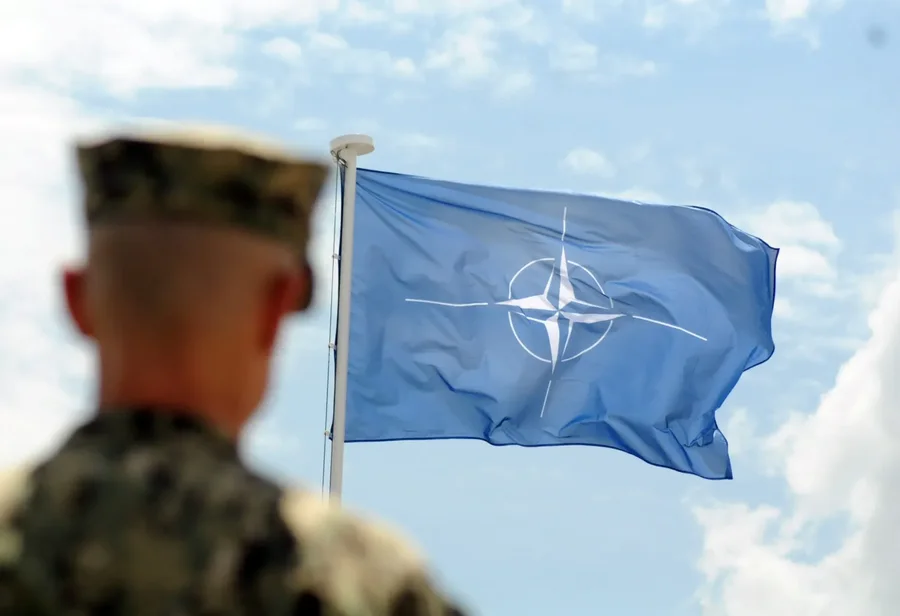
Reports say Washington is considering withdrawing US forces from the NATO-led Kosovo Force (KFOR), sparking backlash in Washington and across Europe...
Lawmakers from both parties in Congress, NATO allies and regional governments responded to the report by warning that a premature withdrawal could destabilize the fragile security of the Western Balkans and embolden Russia and Serbia.
The US currently contributes about 600 troops to KFOR, a multinational peacekeeping force of between 4,500 and 4,800 personnel, and leads Regional Command East from Camp Bondsteel, near the city of Ferizaj. The base, built in 1999, is one of the largest US military installations in Europe and a vital logistical and operational hub for NATO in the region.
US personnel in Kosovo provide a wide range of capabilities, including intelligence, logistics and command support. They also participate in joint exercises and regular rotations involving US National Guard units, reflecting the mission’s ongoing operational role in maintaining stability and readiness in the region. This remains a hotly contested area since Serbia’s expulsion from NATO in 1999. Belgrade does not recognize its Balkan neighbor and there are regular troop movements and civil unrest.
KFOR operates under NATO authority and holds a mandate to ensure a "secure environment" and freedom of movement for all communities in Kosovo. The legal framework for the force was provided by UN Security Council Resolution 1244, which authorized an international security presence after the end of the war.
At the beginning of the mission in 1999, KFOR consisted of nearly 50,000 multinational troops, including a large American contingent. American forces played a central role in stabilizing the territory in the immediate post-war period, when Kosovo had no functioning security institutions or structures.
The mission gradually transitioned from active conflict management to long-term peacekeeping, and troop levels declined as the security situation improved. The US role has remained strategically important due to its leadership in the NATO command structure and its operational capabilities.
The Trump administration's internal discussions on Kosovo policy are part of a broader review of global military commitments, which was expected last year but has not yet been released. Officials have emphasized the need to allocate resources more efficiently and encourage allies to take greater responsibility for regional security.
Sekretari i Shtetit Marco Rubio ka lënë të kuptohet se Uashingtoni po rivlerëson vendosjet jashtë shtetit për të përcaktuar se ku nevojiten më shumë asetet ushtarake amerikane. Rishikimi pasqyron një ndryshim strategjik drejt parandalimit kundër fuqive të mëdha dhe përforcon misionin kryesor të NATO-s për të mbrojtur anëtarët e traktatit.
Një argument përqendrohet në ndarjen e barrës. Kombet evropiane kontribuojnë me rreth 65% të trupave të KFOR-it (Italia aktualisht ka numrin më të madh) dhe zyrtarët amerikanë besojnë se ato duhet të marrin përsipër një pjesë më të madhe të përgjegjësive të mbetura. Mbështetësit e reduktimit të rolit të SHBA-së thonë se vendet evropiane kanë burimet dhe afërsinë gjeografike për të menaxhuar stabilitetin në Ballkanin Perëndimor.
Megjithatë, mundësia e tërheqjes ka krijuar shqetësim të dukshëm dypartiak në Kongresin e SHBA-së. Më 12 mars, një duzinë ligjvënësish nga të dyja partitë e paralajmëruan Rubion se një reduktim i parakohshëm i forcave amerikane mund të ketë efekte anësore në të gjithë rajonin.
Ata argumentuan se prania amerikane mbetet një pengesë kritike kundër përshkallëzimeve të përtërira etnike midis shqiptarëve të Kosovës dhe serbëve. Ata gjithashtu paralajmëruan se një tërheqje mund të krijonte një mundësi për fuqitë e jashtme, veçanërisht Rusinë, për të zgjeruar ndikimin e tyre në Ballkanin Perëndimor.
Aleatët evropianë kanë shprehur frikë të ngjashme. Zyrtarët në të gjithë NATO-n thonë se një prani e reduktuar amerikane mund të inkurajojë lëvizjet nacionaliste në veri të Kosovës, ku serbët etnikë mbajnë lidhje të ngushta me Serbinë.
Analistët paralajmërojnë gjithashtu se paqëndrueshmëria në Kosovë mund të përhapet edhe te fqinjët si Bosnja dhe Hercegovina, ku tensionet politike mbeten të larta. Për shumë qeveri evropiane, roli i SHBA-së në KFOR simbolizon angazhimin afatgjatë të Uashingtonit ndaj sigurisë në Ballkan.
Debati vjen në një kohë veçanërisht të ndjeshme. Kosova po përjeton një krizë të madhe kushtetuese, që përfshin një mosmarrëveshje midis Presidentes Vjosa Osmani dhe Kryeministrit Albin Kurti, dhe marrëdhëniet me Uashingtonin janë ftohur.
SHBA- të pezulluan dialogun strategjik me Kosovën në fund të vitit të kaluar si rezultat i veprimeve të qeverisë së Kurtit, të cilat sipas tyre kishin “rritur tensionet dhe paqëndrueshmërinë”. Në një deklaratë që njoftonte pezullimin, Ambasada e SHBA-së në Prishtinë tha se veprimet e Kurtit kishin “paraqitur sfida për progresin e bërë gjatë shumë viteve” pa dhënë detaje specifike.
Pavarësisht debatit të vazhdueshëm, zyrtarët e NATO-s kanë minimizuar raportet për një tërheqje të afërt. Zëdhënësit e KFOR-it dhe aleancës thanë se nuk po merren në konsideratë ndryshime të mëdha në mision dhe nivelet e trupave do të vazhdojnë të përcaktohen nga kushtet në zhvillim të sigurisë. Ministria e Mbrojtjes e Kosovës gjithashtu hodhi poshtë pretendimet se një tërheqje e SHBA-së është e afërt.
However, even the possibility of a withdrawal highlights broader questions about the future of NATO peacekeeping missions and the changing role of the US in European security. As policymakers weigh strategic priorities, the debate over KFOR underscores the importance and continuing fragility of the Western Balkans.
In light of increased trilateral cooperation between Albania, Croatia, and Kosovo, a reduction in KFOR could be interpreted by Serbia and Russia as a sign of Western disapproval of the three countries' "minilateralism."
On the other hand, if the US withdraws from KFOR, while demonstrating support for cooperation between Albania, Croatia and Kosovo, allies may be reassured, while regional troublemakers may be discouraged from taking advantage of any reduction in the US military presence. /Adapted from Pamphlet /
David J. Kostelancik is a Senior Fellow at the Center for European Policy Analysis (CEPA). He was a career member of the U.S. Foreign Service, holding the rank of Ministerial Counselor. He served as Deputy Coordinator for Terrorism Prevention and Interdiction in the State Department’s Bureau of Counterterrorism from 2024 to 2025. From 2021 to 2023, he was the Foreign Policy Advisor to the Chairman of the Joint Chiefs of Staff. His overseas postings include Deputy Chief of Mission and Chargé d’Affaires at the U.S. Embassy in Hungary and two postings in Russia.



Qafen le ta thyejne e të shkojne ne Vietnam.