


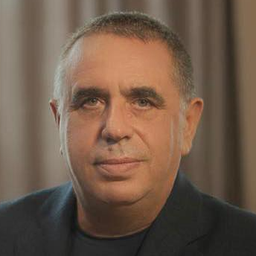
 Shkruar nga Thoma Gëllçi
The vote is not simply an expression of individual will. It is a mechanism that links decision-making with consequences. Citizens vote for governments that then decide on taxes, public services, education, healthcare, and the legal order, etc. Voters are the ones who live with these decisions every day.
There is an idea that sounds modern, even democratic on the surface: that every Albanian, wherever they are, should have the right to vote from the place where they live. It is an idea that is fueled by a sense of belonging, by the reality of mass emigration, and by the desire to maintain a connection to their country of origin. But democracy is not just a matter of sentiment. It is, above all, an architecture of responsibility.
In this sense, the question is not whether the diaspora should have the right to vote. It does, and no one questions that. The real question is where and how this right should be exercised, so as not to undermine the very principles on which democracy is based.
Voting is not simply an expression of individual will. It is a mechanism that links decision-making with consequences. Citizens vote for governments that then decide on taxes, public services, education, healthcare, and the legal order, etc. Voters are the ones who live with these decisions every day. This is the unwritten contract of democracy: participation in exchange for responsibility.
When this connection weakens, the system is deformed.
A citizen who has lived for years outside Albania, whether in Detroit, Milan or London, does not face the same realities that a citizen in Tirana or Kukës experiences. He does not use Albanian public hospitals, does not depend on domestic infrastructure, does not pay taxes and is not directly affected by the policies that his vote produces. However, if he votes from abroad, he participates in determining these policies.
This creates a problem that is not just theoretical. It is an inequality between those who decide and those who bear the consequences of decisions.
This problem becomes even more apparent when seen through the personal experiences that many Albanian families know well. There is an entire generation of children who were born in Albania but left it at a very young age. For them, Albania is not an everyday reality, but a faint memory or an inherited idea: the country of grandparents, of summer holidays, of family stories. Even further, there are children who are born abroad, to Albanian parents, registered in the Albanian civil registry and hold Albanian citizenship without ever really experiencing life in that country.
Should these citizens, who have no direct relationship with Albania's economic, legal, and social system, have the same decision-making weight as a citizen who lives every day with the consequences of public policies? This is not an emotional question; it is a fundamentally political and ethical question.
Advocates of diaspora voting abroad often point to the United States as an example, where citizens can vote from anywhere in the world. But this comparison is made without analyzing the full context. American citizens, regardless of where they live, are required to report their income to the Internal Revenue Service and in many cases pay federal taxes. So there is an ongoing legal and fiscal connection to the state. Their vote is not detached from accountability; it is tied to a system that still considers them active parts of the state contract. Also, Americans who vote abroad often do so through institutionally controlled mechanisms, such as voting in embassies or through verified vote-delivery systems, which significantly limit the possibilities for manipulation and abuse.
In the Albanian case, this connection is much weaker or non-existent for most of the diaspora. There is no general obligation for global income reporting, there is no complete system of fiscal integration, and there is often a lack of regular interaction with Albanian institutions. The mechanical transplantation of the American model in this case is not an argument.
Other international examples show precisely this caution. Some European countries impose time limits on voting from abroad, linking it to the length of stay abroad. Others create special representation areas for the diaspora, so that its influence is structured and proportionate. These models do not aim at exclusion, but at preserving democratic balance.
There is another aspect, less discussed but equally important: the quality of decision-making. Democracy works best when voters are informed and involved. A citizen living in Albania has direct access to political and social reality. He sees, experiences and reacts in real time. A citizen abroad often relies on a mixture of news, mediated perceptions and memories of the past.
Distance creates a filter. And when decision-making passes through this filter, the risk of misunderstanding reality increases. Nostalgia replaces analysis.
Në planin politik, rreziku bëhet edhe më konkret. Vota e diasporës nga jashtë mund të shndërrohet në një objektiv të lehtë për mobilizim emocional dhe manipulim elektoral. Pa një prani fizike dhe pa një verifikim të fortë të kushteve të votimit, procesi bëhet formal. Përvoja e zgjedhjeve të kaluara ka treguar se votimi në distancë, sidomos përmes postës, shoqërohet me probleme serioze: vonesa në shpërndarje, humbje ose mosmbërritje të zarfeve, pasiguri në identifikimin e votuesit dhe mungesë transparence në zinxhirin e dorëzimit. Më shqetësuese është hapësira që krijohet për fenomenin e votimit familjar apo kolektiv, ku një individ mund të plotësojë dhe të dërgojë disa fletë votimi për anëtarë të tjerë të familjes, duke cenuar drejtpërdrejt parimin e votës së lirë dhe individuale. Është ironike ta krahasosh këtë lloj votimi me atë që bëhet në Shqipëri, ku çdo votuesi i ngjyhet gishti me bojë që të mos votojë dy herë.
Një aspekt tjetër problematik është shtrirja e veprimtarisë së partive politike shqiptare në diasporë. Në shumë raste, kjo veprimtari nuk kufizohet në organizim komunitar apo informim, por shndërrohet në eksport të drejtpërdrejtë të konflikteve, ndasive dhe retorikave përçarëse të politikës së brendshme. Në vend që diaspora të mbetet një hapësirë bashkimi dhe identiteti të përbashkët, ajo fragmentohet sipas vijave partiake të importuara nga Shqipëria. Madje, në disa raste, aktivitetet politike të partive shqiptare në vende të huaja bien ndesh me legjislacionin vendas, i cili kufizon ose rregullon ndërhyrjen e subjekteve të huaja në jetën politike lokale. Kjo krijon jo vetëm tensione brenda komuniteteve shqiptare, por edhe probleme juridike në raport me shtetet pritëse.
Për mendimin tim, zgjidhja për votën e diasporës është e qartë. Ajo është vendosja e një standardi të drejtë: nëse diaspora dëshiron të marrë pjesë në zgjedhje, ajo duhet ta bëjë këtë në Shqipëri. Ky nuk është një kufizim; është një kërkesë që rikthen lidhjen midis votës dhe realitetit. Është një mënyrë për të siguruar që vendimmarrja të bëhet nga ata që janë të gatshëm të angazhohen konkretisht, jo vetëm simbolikisht.
Sigurisht, ka përjashtime të arsyeshme. Një student që ndodhet përkohësisht jashtë vendit, një diplomat në shërbim apo një qytetar që për arsye objektive nuk mund të udhëtojë, nuk duhet të humbasë të drejtën e votës. Por këto janë përjashtime që konfirmojnë rregullin, jo argumente për ta përmbysur atë.
Ka edhe modele alternative që mund të eksplorohen siç është përfaqësimi i dedikuar për diasporën, ose forma të kufizuara votimi për ata që ruajnë lidhje të forta ekonomike dhe ligjore me vendin. Por ideja që çdo qytetar jashtë territorit duhet të votojë pa asnjë kufizim, sikur të ishte fizikisht i pranishëm në Shqipëri, nuk është një zgjerim i demokracisë; është një riformatim i saj pa reflektuar mbi pasojat.
Ultimately, democracy is not just mechanical inclusion. It is a balance between inclusion and responsibility, between rights and consequences. Albania, like any other democracy, must maintain this balance carefully.
The Albanian diaspora is a precious asset. It has helped the country at crucial moments and continues to do so. But precisely because its role is so important, the way it is included in the political process must be well thought out.
Voting for a country means participating in its real life, not just in its memory or hope for it. And this requires more than a ballot; it requires the presence, the confrontation, and the responsibility that only territory can impose.



Lini një Përgjigje