


 Shkruar nga Pamfleti
His murder could have been considered a mystery, with a hundred unknowns, if the circumstances in which he was shot were such a truth.
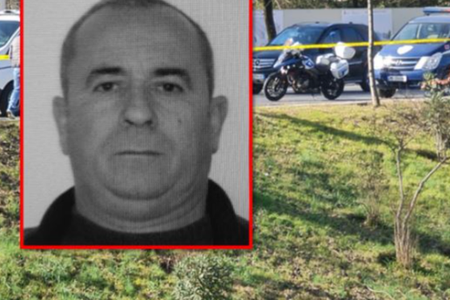
The show "Në Shënjestër", with author Klodiana Lala, brought this Tuesday the story of Imer Hajdari, a police officer from prison 313 who was executed 14 years ago, on April 10, 2012 in Tirana.
Based on the data from the investigative file, new details from the still unsolved incident were broadcast during the show, although Imer Hajdari's family members are seeking justice.
His murder could have been considered a mystery, with a hundred unknowns, if the circumstances in which he was shot were such a truth.
But if today this crime remains a mystery, it is not because of the ability the perpetrators showed to hide their tracks, but because of the apparent inability of the investigative team to fully investigate this crime, which still cries out for justice today.
A murder that actually came a year after another crime that surprisingly dated to the murder of the prison officer.
A coincidence not to be underestimated, when the victim had been the subject of constant threats of blood feud, at a time when he was not at all guilty of the murder committed by his relative.
But how did prison police officer Imer Hajdari find himself shot dead with three bullets inside his vehicle, in one of Tirana's alleys, in April 2012, as he was on his way to take duty?
What was the enmity between his family and that of Xheçuka, which had begun a year earlier?
And why the investigative group, despite its suspicions that the murder was committed by members of the Xheçuka tribe, never reached the real perpetrators of this crime.
Perpetrators who, even today, 13 years after committing this crime, continue to be at large.
Did the state fail to prevent the murder of a prison police officer who had knocked on the doors of institutions seeking protection?
Meanwhile, the family continues to seek justice today.
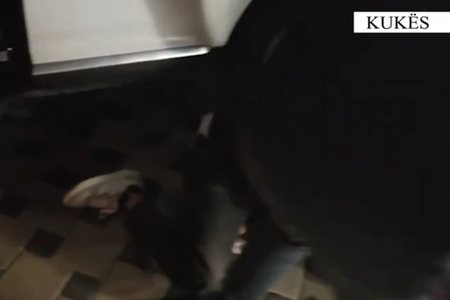
According to the investigative file provided by the show 'Në Shënjestër', Imer Hajdari was found murdered inside his car, on 'Teodor Keko' street in Tirana, in the early morning hours of April 10, 2012.
At the exact moment when he was driving his car towards prison '313', in the capital, a prison where he had only recently been transferred, this after the problems he had in his city, where he lived, that of Mamurras.
Where he had to abandon his residence and his work in the Fushë-Krujë prison, after threats from the Xheçuka family, who had promised to take revenge for the murder of their close friend, Imer Hajdar's nephew.
Something about which he had also sent word to the Hajdari family.
But not only that, they had sworn that they would kill the best man they had, specifically mentioning the name of Imer Hajdari.
Sipas tyre si personi përgjegjës që kishte veshur polic të burgjeve nipin e tij Alket Hajdari, ky i fundit i cili kishte kryer edhe vrasjen e njëriut të tyre të afërt, Shaban Xheçuka.
Dosja Hetimore
Më datë 10 Prill 2012, rreth orës 6.00, Salla Operative e Drejtorisë së Policisë Tiranë ka marrë njoftim se në rrugën ‘Teodor Keko’ në kryeqytet pranë filialit të një banke të nivelit të dytë, është gjetur i vrarë me armë zjarri, shtetasi Imer Hajdari, me detyrë oficer pranë burgut 313 Tiranë.
Ku nga hetimi paraprak rezultoi se viktima ishte duke lëvizur me automjetin tip ‘Seat’ ngjyrë gri me targë AA762AD nga banesa e marrë me qira në këtë zonë, në drejtim të rrugës kryesore, për të shkuar në punë.
Ajo që u konstatua në vendin e ngjarjes ishte se Imer Hajdari kishte marrë tri plumba në trup.
Plumba që i kishin marrë jetën menjëherë pa i dhënë asnjë mundësi të shpëtonte.
Ndërkohë që nga sa u pa qitësi që mendohet të ketë qenë një i vetëm, e priti prenë e tij në rrugicën para se viktima të dilte me makinën e tij në rrugën kryesore.
Gjë që u konstatua edhe nga qetësia me të cilën autori ishte afruar..
Si dhe qitjet që kishte kryer në xhamin e përparmë të automjetit me të cilën efektivi i burgjeve Imer Hajdari lëvizte atë mëngjes.
Duke zgjedhur t’i dalë atij përpara dhe ta qëllojë pikërisht në momentin kur makina kishte ulur shpejtësinë.
Kohë e mjaftueshme kjo për vrasësin të mblidhte edhe gëzhojat.
Duke pastruar kësisoj vendin e krimit.
Një krim që dukej i organizuar mirë dhe nga një dorë që jo vetëm kishte studiuar zonën, por edhe kishte marrë informacione të sakta mbi lëvizjet e shënjestrës.
Dosja Hetimore
Nga dinamika e ngjarjes rezulton se viktima është qëlluar me armë zjarri, brenda në automjet pa arritur të dalë në rrugën kryesore.
Nga kqyrja e vendit të ngjarjes, po kështu ka rezultuar se në xhamin e parë të automjetit të drejtuar nga viktima ndodheshin tre vrima hyrje në pjesën nga ana e drejtuesit të mjetit, ndërsa viktima u gjet i pajetë në sediljen e shoferit.
Ndërkohë që në vendin e ngjarjes, nuk arrit të gjendet asnjë gëzhojë, ndërsa në trupin e viktimës u konstatuan 3 plagë me armë zjarri.
Pra nga sa shikohet autori mendohet të ketë qenë një qitës profesionist.
Kjo jo vetëm për shkathtësinë që ai ka treguar në veprime por edhe për dorën e stërvitur.
Duke e goditur saktësisht viktimën në pikat më nevralgjike të trupit.
Neutralizim që kishte për qëllim eleminimin e tij të menjëhershëm.
Ndërkohë që interesante është fakti që qitësi është kujdesur gati në mënyrë të përpiktë që të jetë jashtë rrezes së kamerave të sigurisë në zonë.
Gjë që duket se e ka arritur me sukses.
Pasi nga kqyrja e pamjeve filmike në zonë, ai nuk shfaqet as në momentin para krimit dhe as gjatë kryerjes së atentatit.
Por nga ajo që vihet re është se grupi hetues është ndalur në kqyrjen e pamjeve filmike vetëm para dhe pas atentatit.
Por jo në ditët e mëhershme për të parë nëse në zonë kishte lëvizje të personave të dyshuar.
Or even to comb the area with cameras the day before and after the event.
Which constitutes a deficiency in terms of a full investigation of the event.
Investigative File
Review of the bank's video footage did not yield any data for the investigation, because they did not have a view of the scene.
Meanwhile, the chemical examination of the additional factors of the shooting resulted in the fact that in the four fingerprints subject to examination for citizens Gjergj Kaçurri and Akil Xheçuka, the presence of nitrites, which are present in the additional factors of the shooting, was not detected.
But why were the first to be called to take additional samples of the gunshot marks members of the Xheçuka family?
Family members who were kept under surveillance, in order to document their connection to the murder of prison officer Imer Hajdari.
A murder that, as we said, came right on the eve of the 1st anniversary of another murder, that of Shahin Xheçukë.
Who on April 23, 2011, was shot dead in Mamurras by Alket Hajdari, who at that time worked as an officer in the prison police. Alket Hajdari was the nephew of Imer Hajdari, the police officer of prison 313 who was killed in Tirana. Where members of the Xheçuka tribe are also suspected as organizers of this murder.
But their guilt has still remained unproven.
Investigation File
From the examination of the phone of citizen F. Xheçuka, it was concluded that deleted data cannot be recovered from his phone's memory. While no deleted data was found from the SIM card.
Likewise, from the interception of direct conversations between the family members of citizen Shahin Xheçuka, at the ceremony of the 1st anniversary of his death, precisely at the place called 'Mamurras Cemetery', no data of interest for the investigation of the criminal proceedings could be obtained.
But what was this murder that had brought so many nightmares to the Hajdari family?
And why was the Xheçuka family's target precisely prison officer Imer Hajdari?
What did Imer Hajdari's widow, now a widow, tell the police about the concerns that the murder of Shahin Xheçuka, committed by her now deceased husband's nephew, had brought to the family?
And why exactly was the Xheçuka family looking for the lost blood of their relative, Shahin Xheçuka, from Imer Hajdari?
Xhevahire Hajdari, the widow of Imer Hajdari, who also confessed to the entire conflict, which allegedly led to the murder of her husband. Xhevahire Hajdari
My husband, Imer Hajdari, was employed as a police officer in the Fushë-Krujë prison and from there he was later transferred to prison 313 in Tirana.
The reason for this transfer was a feud created with the family of citizen Hysen Xhecuka.
The enmity that arose after my husband's nephew, Alket Hajdari, killed citizen Shahin Xheçuka on April 23, 2012. And after this murder, he surrendered to the police.


Lini një Përgjigje