


 Shkruar nga Pamfleti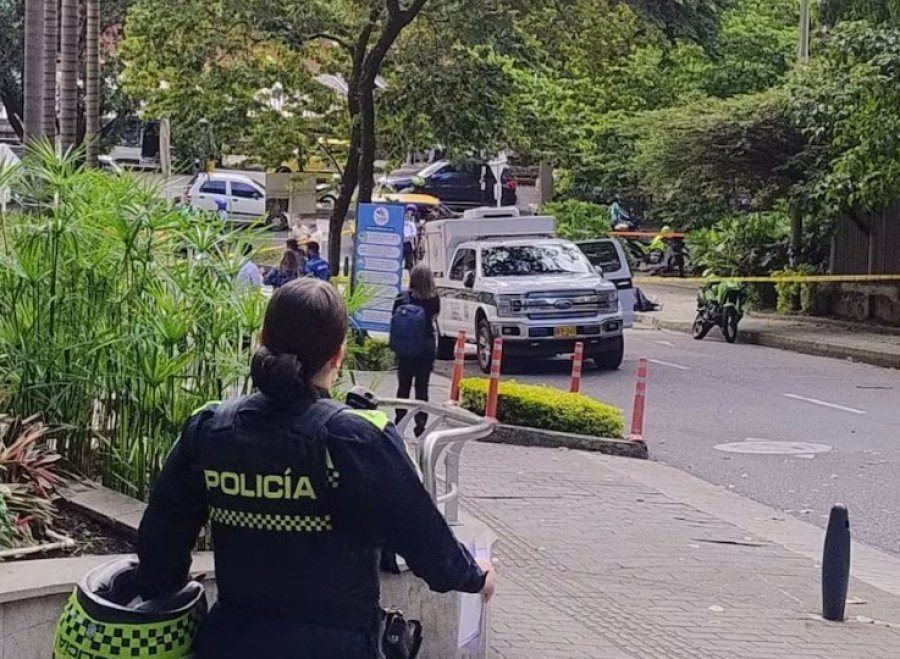
These Balkan criminal groups have sent emissaries to South America to negotiate directly with cocaine producers (such as FARC dissidents or the Urabeños in Colombia) to secure the lowest possible wholesale price...
An Albanian, who possessed Ecuadorian documents, was executed on Sunday afternoon in Medellin (Colombia).
The incident occurred on a street adjacent to the Santa Fe shopping center in El Poblado, Municipality 14.
Local media report that the victim was a man who was in possession of Ecuadorian documents, but was also of Albanian nationality.
He also reported that the killer, who was traveling on a motorcycle, was captured in the municipality of Bello, north of the Aburrá Valley, and the firearm used to commit the murder was also seized.
"The motives and details of the case are currently being verified as part of the investigation being conducted by the authorities," police and security authorities said.
A woman who was accompanying the Albanian was also injured in the gunfire.
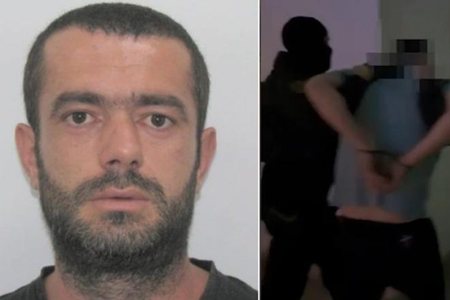
According to reports, the victim's name is Artur Tuçi, 44 years old, born in Albania, but with an Ecuadorian identity card.
InSight Crime investigations show that Albanian networks are a key player in drug trafficking in Latin America, using Ecuador as a main base for their transatlantic operations.
These Balkan criminal groups have sent emissaries to South America to negotiate directly with cocaine producers (such as FARC dissidents or the Urabeños in Colombia) to secure the lowest possible wholesale price.
This strategic positioning has allowed them to become major beneficiaries of the cocaine production boom in Latin America, buying the drug for approximately US$2,000 to US$4,000 per kilogram and reselling it in Europe for US$30,000 to US$40,000.

Although often called the "Albanian mafia", they are decentralized networks, like the "Bello Company", whose main objective in Ecuador is to negotiate deals, subcontract shipments to Ecuadorian groups, and launder money by buying up export and import front companies, especially in the port of Guayaquil.
An exemplary case is that of Dritan Gjika (also known as "Tonny"), an Albanian trafficker who settled in Ecuador in 2009, posing as a businessman and building a powerful drug trafficking empire.
Gjika is considered a pioneer in his positioning as a major upstream cocaine supplier. His network trafficked tons of Colombian cocaine to Europe via Ecuador and was linked to the seizure of more than 9.5 tons. To operate, Gjika created a sophisticated network based on the use of front companies, subcontracting, communication via encrypted chats and, most importantly, the protection of high-level contacts within Ecuador's economic and security elites, which allegedly included the former police chief.
The Albanian presence in Guayaquil is also characterized by a violent competition between these Balkan networks, which has manifested itself in the murders of suspected mafia members in the port city. /Adapted Pamphlet/








Lini një Përgjigje