


 Shkruar nga Pamfleti
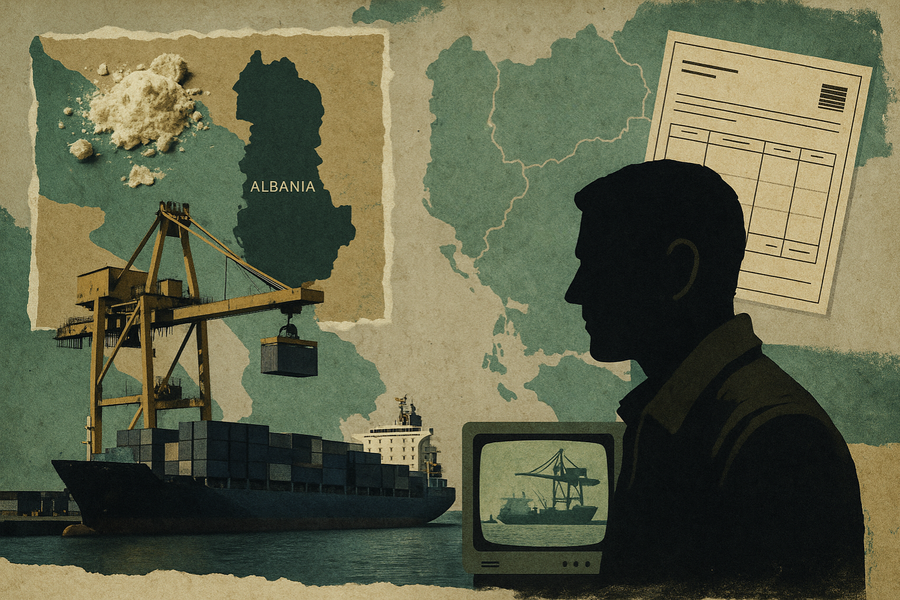
Albanian groups have achieved success by paying cocaine producers in cash and covering a portion of transportation costs, which makes them preferred partners for local producers.
Since the early 2000s, Albanian clans involved in drug trafficking have expanded their activities from the Balkans to Latin America.
This happened for several reasons such as:
Fragmentation of traditional Latin American cartels .
The Global Initiative Against Organized Crime (GI-TOC) report highlights that after the demobilization of the Revolutionary Armed Forces of Colombia (FARC) and the dissolution of the major cartels, the horizontal structure of the cocaine market created space for new actors. Western Balkan groups, mainly Albanian, formed direct alliances with local producers and gangs, avoiding intermediaries and paying in cash.
Europe's need for direct supply.
Due to the high demand for cocaine in Europe, Albanian groups sought to avoid the fees of traditional cartels. According to Balkan Insight, the Italian mafia 'Ndrangheta paved the way for Latin America and mentored Albanian traffickers who began their careers in Italy; they connected with cocaine suppliers in Latin America and became key operators in the supply chain.
Relations with Paraguay, Colombia, Peru and Bolivia
The GI-TOC report shows that Albanian groups have established stable purchasing relationships in Colombia, Peru and Bolivia and have collaborators in Ecuador, Brazil, Paraguay, Uruguay and the Dominican Republic. They usually pay half of the transport costs in advance and become guarantors of payments thanks to their networks in Europe. Local producers prefer them because they pay quickly and avoid violence.
A Balkan Insight article describes how Albanian groups purchased cocaine in remote areas of Paraguay and transported it to European ports by bribing port workers and law enforcement officials in Latin America and Europe.
Activity in Ecuador
Ecuador became a key hub after the country's government lifted visas for European citizens in 2009. The Infobae newspaper explains that the Albanian mafia began sending emissaries to buy and export tons of cocaine to Europe; they did not create armed groups, but focused on logistics and money laundering.
A BBC News Mundo article says that Albanian clans have had contacts with cartels in Colombia, Ecuador, Mexico and Peru for two decades; they act as intermediaries who close deals and secure transportation, sharing control of European ports with the Italian mafia.
The GI-TOC report provides concrete examples:
Adriatik Tresa, një shqiptar që mbërriti në Ekuador në 2011, krijoi biznese legjitime (p.sh. kompani transporti) dhe përdori shtetësinë ekuadoriane për të trafikuar kokainë. Ai u vra në vitin 2020 nga persona të maskuar si policë, duke nxjerrë në pah konkurrencën brenda grupimeve shqiptare.
Dritan Gjika drejtonte një rrjet që importonte deri në 4 tonë kokainë në muaj nga Kolumbia në Ekuador duke përdorur kompani eksportimi frutash. Ai dhe partneri Rubén Cherres krijuan 12 ndërmarrje dhe kishin lidhje politike; Cherres u vra në 2023.
Një reportazh i BBC‑së nga 2025 për trafikimin e kokainës thekson se një anëtar i bandës Latin Kings në Guayaquil, i cili punonte për mafian shqiptare, thotë se shqiptarët kontrollojnë shumicën e trafikut nga Amerika e Jugut në Evropë; ata kërkojnë dërgimin e ngarkesave 500‑kilogramëshe dhe kërcënojnë me vdekje nëse refuzohet. Presidenti i Ekuadorit deklaron se rreth 70% e kokainës botërore kalon përmes porteve të vendit.
Vistazo përmbledh investigimin e Ëashington Post duke theksuar se rrjeti i drejtuar nga Dritan Rexhepi (Kompania Bello) korruptoi punonjës portesh, sistemin gjyqësor, burgjet dhe forcat e sigurisë në Ekuador për të kontrolluar furnizimin e kokainës, duke gjeneruar miliarda euro fitim në Evropë.
Rrjeti Kompania Bello
Sipas GI‑TOC, Kompania Bello është një rrjet kriminal transnacional i formuar në fillim të viteve 2010 që përfshin kriminelë të aftë nga Shqipëria. Liderët përfshijnë Dritan Rexhepi dhe Eldi Dizdari.
Një njoftim i Europol për operacionin "Los Blancos" raporton se udhëheqësi, një shtetas shqiptar 40‑vjeçar me bazë në
Ekuador, negocionte drejtpërdrejt me kartelet e Amerikës së Jugut, organizonte dërgesat e kokainës drejt porteve evropiane dhe koordinonte shpërndarjen në Evropë. Rrjeti përdorte gjithashtu sistemin kinez të transferimit të parave fei ch’ien për të pastruar fitimet.
Faktorë të suksesit dhe ndikimi në portet evropiane
Grupet shqiptare kanë arritur sukses duke paguar prodhuesit e kokainës në para të gatshme dhe duke mbuluar një pjesë të kostove të transportit, gjë që i bën ata partnerë të preferuar për prodhuesit lokalë. Ata shpesh martohen me gra lokale ose bëhen kumbara të fëmijëve të liderëve lokalë për të siguruar besnikëri.
Për shkak të lidhjeve me mafian italiane ’Ndrangheta dhe partneritetit me kartele të Amerikës Latine, shqiptarët kanë marrë kontrollin e porteve kryesore evropiane. Balkan Insight shpjegon se ata korruptojnë punonjës porti dhe policinë, duke siguruar që kontenierët e ngarkuar me drogë të kalojnë pa u kontrolluar. BBC Mundo shton se ata ndajnë kontrollin e këtyre porteve me mafian italiane.
The Albanian mafia, backed by experience in the illegal European markets and alliances with the 'Ndrangheta, has expanded its activities in Latin America over the past two decades. Albanian clans have built strong relationships with cocaine producers in Colombia, Peru, and Bolivia; have penetrated deep into Ecuador and Paraguay to control supply chains; and are using Mexico as a money laundering hub with the support of local cartels.
In Ecuador, they control major transportation hubs and collaborate with gangs like the Latin Kings to secure shipments. The examples of Adriatik Tresa, Dritan Gjika, and Dritan Rexhepi illustrate how legitimate businesses are used as a cover for trafficking, including corruption of the justice system and connections to politics.
These developments demonstrate that the Albanian mafia has become a global player in the cocaine trade, linking Latin American production with European consumers and exploiting institutional weaknesses and corruption to remain outside the law's radar. Confronting this network requires international cooperation, strengthening port controls and cracking down on money laundering./ Pamphlet




Lini një Përgjigje