


 Shkruar nga Pamfleti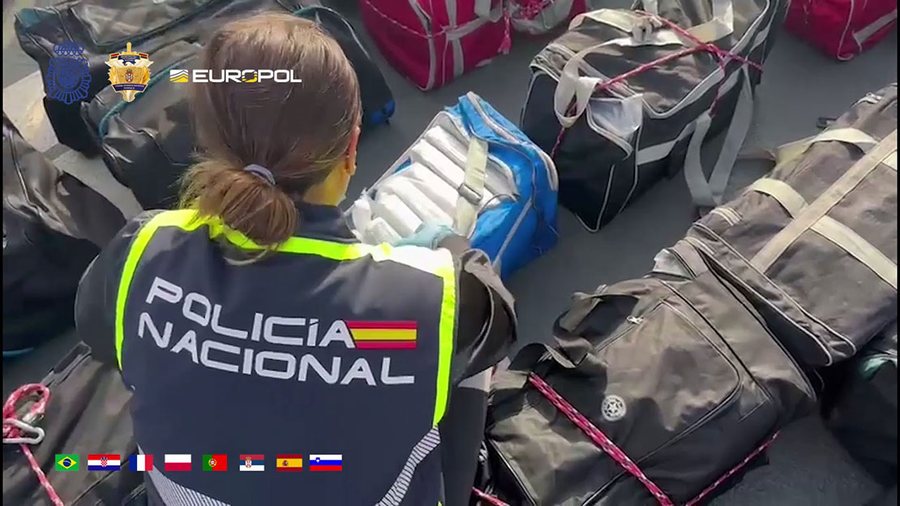
"Reuters" has written a long article on the involvement of the Balkan mafia in cocaine trafficking, where it also mentioned the Albanians...
In 2018, notorious cocaine trafficker Slobodan Kostovski broke out of a Brazilian prison and returned to Europe with a fake passport.
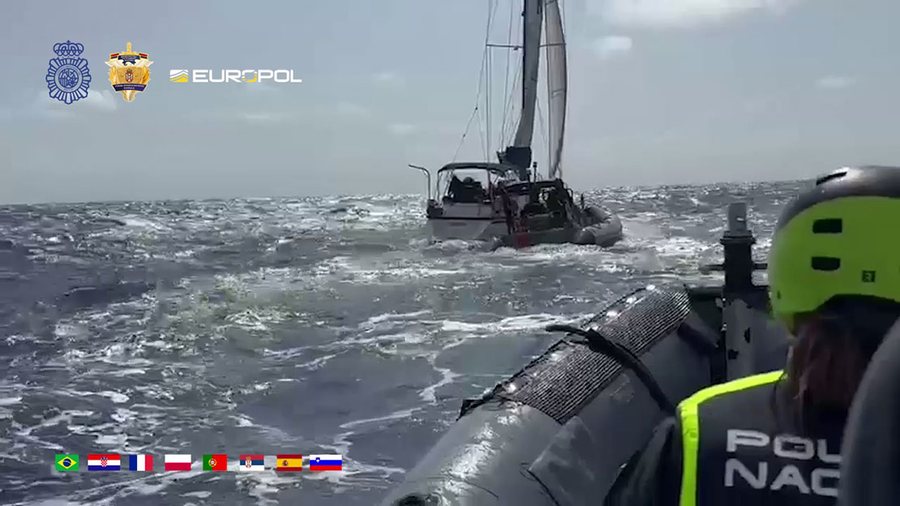
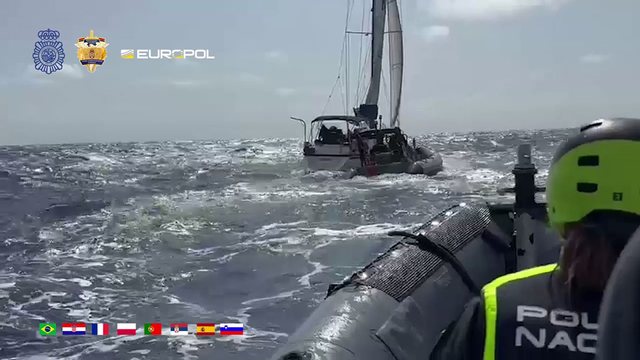
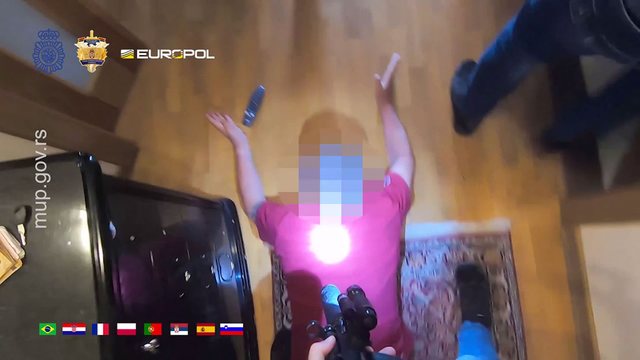
But Serbia quickly returned to its old ways. Last August, Kostovski was arrested in Belgrade, accused of shipping 2.7 metric tons of cocaine from Brazil aboard a 22-meter vessel seized near Spain's Canary Islands.
Dubbed "The General" by his associates, he had trafficked "large amounts" of drugs into "Europe over a long period of time," Serbian police wrote in a 2022 intelligence report obtained exclusively by Reuters. Kostovski, now 70, had been living in Brazil for years. According to the Serbian document, he held a position that allowed him to establish strong ties with cocaine producers in neighboring Colombia, Bolivia and Peru and organize the transport of the drug to Europe.
Kostovski, who has not yet pleaded guilty, is now in a Belgrade prison awaiting trial. Kostovski's lawyer, Stefan Jokic, declined to comment.
Kostovski's return to Europe in 2018 coincided with a favorable moment for the continent's cocaine trade. As production in South America increased over the past decade, Balkan traffickers were perfectly positioned to fuel increased European demand, authorities say. They now dominate the complex logistics of moving coke from production labs in the Andes to street vendors in Paris, London and Berlin, helping to transform Europe into the No. 1 market. 1 of cocaine in the world, Reuters reports.
They have done this by tapping criminal contacts in Balkan diaspora communities on both sides of the Atlantic and infiltrating the maritime shipping system that moves about 90% of the world's merchandise trade.
"When we talk about large-scale shipments to supply the European continent, the only group that is hegemonic is the Balkans," said Ivo Silva, a Brazilian federal police detective who investigated Kostovski in the late 2000s as part of Operation Niva.
"There is no strict hierarchical structure to the Balkan Cartel," a former US Drug Enforcement Agency (DEA) official who has investigated the gangs told Reuters. "There is no godfather," he added.
Balkan fingerprints can now be found on much of the cocaine that enters Europe each year, US and European officials said. The Maritime Operations and Analysis Center, a European agency that coordinates narcotics seizures in Atlantic waters, said a record 9.11 metric tons of cocaine linked to Balkan criminals were seized at sea last year, a 300% increase since year 2015.
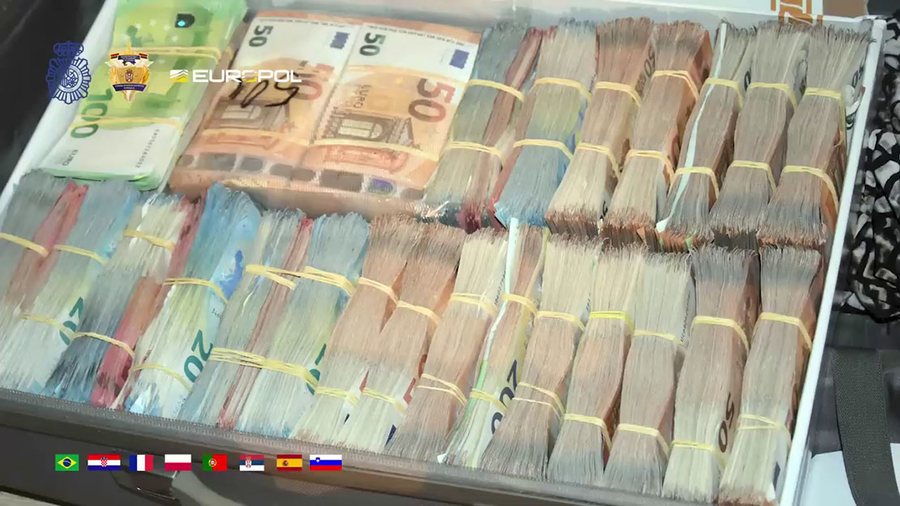
In the Belgian port of Antwerp, Europe's main gateway for South American cocaine, authorities seized a record 116 metric tons last year. Dutch customs seized almost 60 tons in 2023, nearly a fifth of the 2022 total.
The Balkan region is a peninsula in southeastern Europe that stretches from the Adriatic Sea to the Black Sea. While geographic definitions vary, countries widely considered Balkan states include Albania, Bosnia and Herzegovina, Bulgaria, Croatia, Kosovo, Montenegro, North Macedonia, Serbia, Slovenia, and Romania. Authorities say the region's long history of navigation, smuggling and migration has been central to the growth of Balkan traffickers.
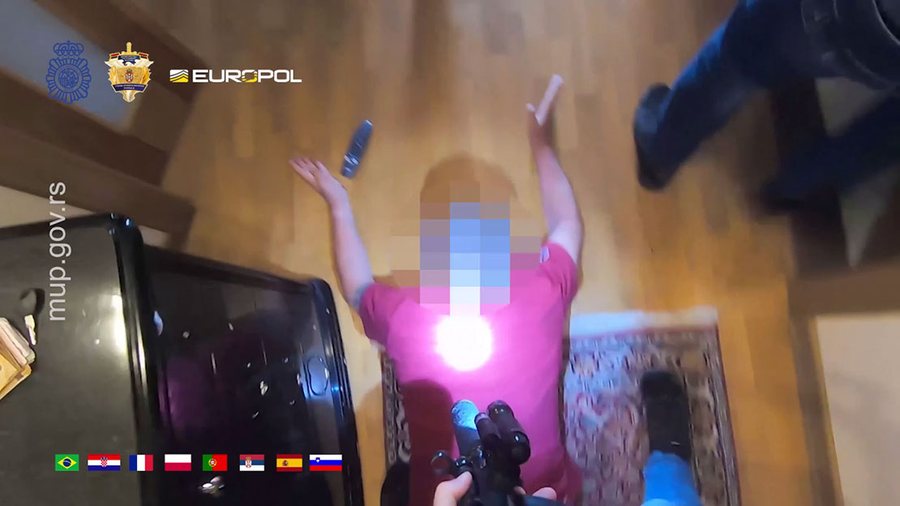
Swedish Prime Minister Ulf Kristersson last year enlisted the military to help crack down on drug gangs. In March, Greek authorities dismantled a Balkan gang suspected of being responsible for more than 60 murders across Europe over the past decade. That same month, the streets of Brussels were rocked by numerous armed clashes allegedly involving the Albanian mafia.
In Latin America, the Balkan presence is now stronger than ever, according to an investigator from the European police agency Europol's task force. The official said there are more than 50 major trafficking cells from the Western Balkans operating across Latin America, with hundreds of gangsters spread across the region. /Adapted "Pamphlet" from "Europol"


Lini një Përgjigje