


 Shkruar nga Pamfleti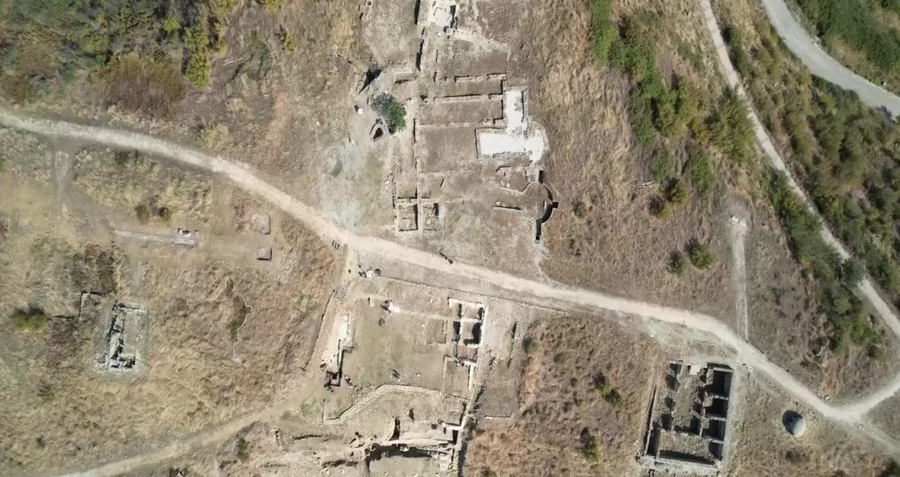
Archaeological excavations have included this year many areas in Albania, shedding light with new facts about many ancient cities and archaeological centers.
In the ancient city of Finiq, in the South of Albania, archaeologists are discovering the Roman period by expanding the discovered urban spaces.
The new discoveries prove not only the historical importance, but also help the development of cultural tourism.
"Ancient Phoenicia" resembles an overturned ship on the hill above today's Phoenicia, where archaeologists have returned this year with excavations that aim to shed light on the development of the city in different stages.
Since 2000, there is a long-term agreement between the University of Bologna in Italy and the Albanian Institute of Archeology for excavations and research.
They are held every year in this important archaeological center of Albania, located only about ten kilometers from the coastal city of Saranda.
Finiqi was in ancient times the capital of the Kaon tribe and then the capital of Epirus and is known as the most fortified archaeological center in Albania.
Archaeologist Belisa Muka, the joint leader of the Albanian-Italian mission, says that this year the excavations are also focused on the public area of the city, where a new road has been discovered that connects the buildings, many new urban elements and numerous objects.
This road discovered by this year's excavations connects the upper terrace of the public space with the lower terrace, which testifies to the greatness of Finiq in the Roman period. Also, this year we did some research in the area of the Necropolis, the southern cemetery of the city, as Finiqi has several of these, to see the dimensions and carry out the necessary documentation.
Mrs. Muka says that in addition to the excavation, the archaeological material is analyzed and studied at the site.
For the second year in a row, we have set up the archeology laboratory on the site. So the material is collected, washed, dried, selected, documented, everything is done on the site to have a clearer, fairer relationship between the stratigraphy and the material.
University of Bologna professor Guisepe Lepore says that this year's excavations continue to complement the many years of efforts for scientific and historical achievements, preparing archeology students, conserving the area and valorizing it to make it more accessible to tourists.
First, from a scientific point of view, we have discovered the Roman city, Phoenician of the Roman period. We continue to prepare Albanian and Italian archeology students here, to work for the protection and preservation of the structures that come to light from the excavations and to make them more accessible to tourists, giving the area sustainable visitation values. Next year we will return again with a new mission, says Mr. Lepore.
Archaeologist Belisa Muka, who also directs the Albanian Institute of Archaeology, says that this year has seen many archaeological missions in all the sites.
Mrs. Muka says that the missions were carried out by Albanian and foreign archaeologists and brought very useful data for some of the most important archaeological centers of the country.
The research has been from north to south, from east to west, in all the archaeological sites and parks where we exercise our activity as an Institute, in cooperation or alone. The results are case by case but always important as they add new elements to the questions we have raised and the answers we want to get. Of course, there were projects that had a bigger find compared to others. We have had projects from prehistory, antiquity, late antiquity and the Middle Ages.
Zonja Muka thotë se e ka të vështirë të veçojë projekte specifike, por ajo përmend të dhënat e zbulimit të vendbanimit të lashtë të Linit, në Pogradec, që është datuar si më i vjetri në Europë.
Të gjithë janë po aq të rëndësishëm, por rasti i projektit “Lin 3” veçon për shkak të analizave dhe mundësisë për të përvijuar një fenomen edhe në hapësirat e tjera, pra për të krahasuar oipologjinë e vendbanimit yë palafit në një zonë më të gjerë ,më të shtrirë. Qyeti i Finiqit në periudhën romake është një element i jashtëzakonshëm, Lugina e Drinos ku ka të dhëna të reja, Bushati ka dhënë të reja shumë të rëndësishme, Durrësi qytet me antikitetin e vonë dhe mesjetën, Butrinit gjithashtu vazhdon , çuka e Ajtoit. Kemi pasur kërkime në Koman, në Drisht, në Sart, në qytetin antik të Zgërdheshit.
Most of the most important archaeological settlements and centers in Albania still need excavation and research as only a small percentage of them have been discovered and turned into tourist itineraries.
After the period of the coronavirus pandemic, when archaeological missions were curbed, now teams of archaeologists are increasingly present to shed more light on the antiquity of Albanian lands./ VOA





Lini një Përgjigje