


 Shkruar nga Pamfleti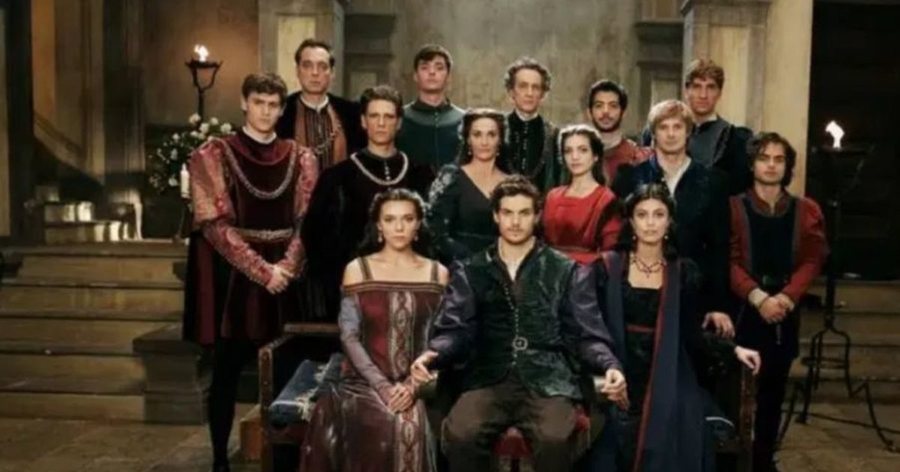
It was one of the richest and most powerful families in Europe. From her came 2 queens, 3 kings and 4 popes. As the de facto rulers of Florence for nearly 300 years, the Medici created the basis of the Italian Renaissance.
But before they built their empire, the Medici started out as poor farmers from Cafaxhiolo in northern Tuscany. Towards the end of the 13th century, Giovanni di Biçi de' Medici changed the humble origins of his clan by founding a successful bank.
To complement the new status, the family concocted an equally impressive pedigree. According to the legend spread by them a distant relative named Averardo fought as a knight against Charlemagne of the Franks. In 1537, Holy Roman Emperor Charles V officially granted the family the nobility they desired by establishing the Grand Duchy of Tuscany.
The Medici family's banking empire would expand rapidly to become the largest financial institution in Europe, with branches in Naples, Geneva and London. The long list of wealthy clients included the Vatican, creating a strong alliance that brought them many profits.
Under the leadership of Cosimo de' Medici (son of Giovanni), Florence became the main banking center. Their power was such that they even had direct "access" to God. In the 1500s, 4 of their relatives were elected as Popes, starting with Pope Leo X in 1513.
But the leadership of the Vatican by him was accompanied by scandals and an unprecedented debauchery. It was his excesses that led directly to the Protestant Reformation. They were associated with the greatest figures of science. Thus Galileo Galilei was employed as a tutor for the children of this family
As the great-granddaughter of Lorenzo the Magnificent, and granddaughter of Pope Clement VII, Catherine de' Medici (Catherine the Great) was one of the most powerful women of her era. Her beauty and intelligence allowed her to have de facto power over France as a king's wife, regent and then as mother of 3 kings.
At the age of 14, Catherine was betrothed to Henry, son of French King François I, cementing a strategic alliance and ensuring future royal bloodlines. She gave birth to 10 children, including monarchs François II, Charles IX and Henry III.
Also, 2 of her daughters became queens, respectively in Spain and France. Catherine's influence in the 16th century – especially during the Wars of Religion – made her a figure both loved by some and hated by others.
Whether she deserves it or not, Catherine was blamed for the St. Bartholomew's Day Massacre, where thousands of Huguenots were killed. Her lifelong interest in the occult and her close relationship with the legendary fortune teller Nostradamus only added to her reputation as a criminal.
This family is also credited with inventing the ice cream we know today. Although the invention of ice cream dates back to ancient China, the soft Italian variety was created specifically for the Medici family. In one of the variants of the story, a butcher named Ruxheri won a prestigious competition for creating the "most unusual dish".
Katerina u magjeps aq shumë nga ëmbëlsira e pazakontë sa që e mori me vete Ruxherin në oborrin mbretëror francez në Paris, për të gatuar për dasmën e saj në vitin 1533. Historia tjetër alternative, thotë se akullorja u krijua nga arkitekti i njohur italian Bernardo në vitin 1565.
Mbështetja e madhe e familjes Mediçi për shkencat humane, luajti një rol të madh në shkuarjen në Firence të artistëve më të mirë të Evropës. Mes talenteve ishte edhe një adoleshent premtues nga fshati i vogël toskan Kaprese, të cilin bota e njohu si Mikelanxhelo.
Në vitin 1490, 15-vjeçari pranoi ftesën për t’u zhvendosur me banim në Palazzo Medici.
Atje, ai u bë pjesë e familjes së famshme,ndërsa rafinonte aftësitë e tij të pazakonte artistike.
Mikelanxhelo do të merrte 3 porosi nga tre Papë të familjes Mediçi (Leoni X, Klementi VII dhe Piu IV).
Gjatë asaj periudhe, ai prodhoi disa nga veprat e tij më të mira, si skulptura e Moisiut dhe afresku i tij “Gjykimit të Fundit”, që mbulon murin e altarit të Kapelës Sistine. Gjatë mbretërimit të tyre të gjatë, Mediçit ishin vazhdimisht vigjilentë, pasi kishin bërë shumë armiq.
Në vitin 1478, familja Paci ndërmori një grusht shteti për të vrarë princat e familjes Mediçi, Lorenco dhe Xhulianon. Edhe pse vëllai i vogël vdiq nga plagët e marra, Lorenco mbijetoi dhe arriti të vrasë apo dëbojë nga qyteti rivalët e tij.
Një sulm tjetër, këtë herë nga një predikues radikal i quajtur Xhirolamo Savonarola, do të ishte më i suksesshëm. Frati puritan domenikan arriti të merrte kontrollin e Firences në vitin 1497, duke i inkurajuar mbështetësit e tij fanatikë të digjnin librat, veprat e artit dhe sende të tjera që konsideroheshin si “kotësi” të liga.
But a year later, Savonarola was excommunicated and later executed by hanging. If history teaches us anything, it's that nothing lasts forever, including dynasties. In 1737, John Gastone de' Medici died without a male heir, ending the Grand Duchy of Tuscany. However, his sister would save the family legacy.
Ana Maria de Medici, the last direct descendant of the family, signed a legally binding pact for the preservation of works of art in the city of Florence. As a result, many cathedrals and museums, such as the Medici Chapel and the Uffizi Gallery, are still today filled with priceless treasures./ Bota.al








Lini një Përgjigje