


 Shkruar nga Pamfleti
Have we confused the dividing line between "the public's right to be informed" and invasion of privacy?
… I want to help sensitize a culture that I strongly believe has become, at times, totally numb to the pain of others, contributing to a general sense of apathy towards one another.
I've seen with my own eyes the negativity, hatred and animosity that can ferment on the Internet due to a lack of understanding and compassion – a total disconnect between a headline and the family behind it.
The 24-hour news cycle creates a need for content that can lead media people to sometimes act irresponsibly in their reporting because they are competing with amateur journalists who pop up here and there on blogs, every corner of the internet. It also creates a false sense of connection. The constant barrage and endless repetition of information creates the illusion that you can access anything and everything instantly, in the blink of an eye. And although the tragedies that the media shares with us readers and viewers did not happen to us, we take them as if they were - loss, anger, love, injustice. We feel it deeply. And then, in the blink of an eye, we move on to the next news story, leaving behind a troubled family.
Have we come to the point where we believe that, just because a news has appeared on Facebook or Instagram, we are obliged to share it, comment, like, repost it? Do we ever wonder why we do this? And who are we affecting when we do it?
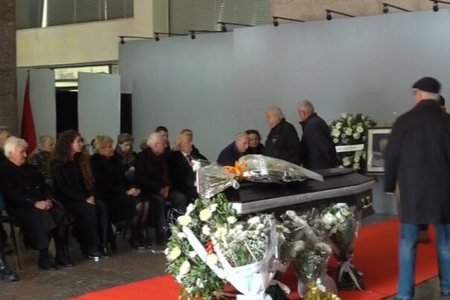
How the media descends on a bereaved family in crisis can rob them of their grief. Catapulting a grieving family in front of the cameras can be cruel and violent. But sometimes the greatest cruelty lies in the continuing consequences of inaccurate information, rumors about the dead, and the assumptions and debates they spark. / Excerpted from Kim Goldman's book "Media Circus: A look at private tragedies in the public eye" (bota.al)





Lini një Përgjigje