


 Shkruar nga Pamfleti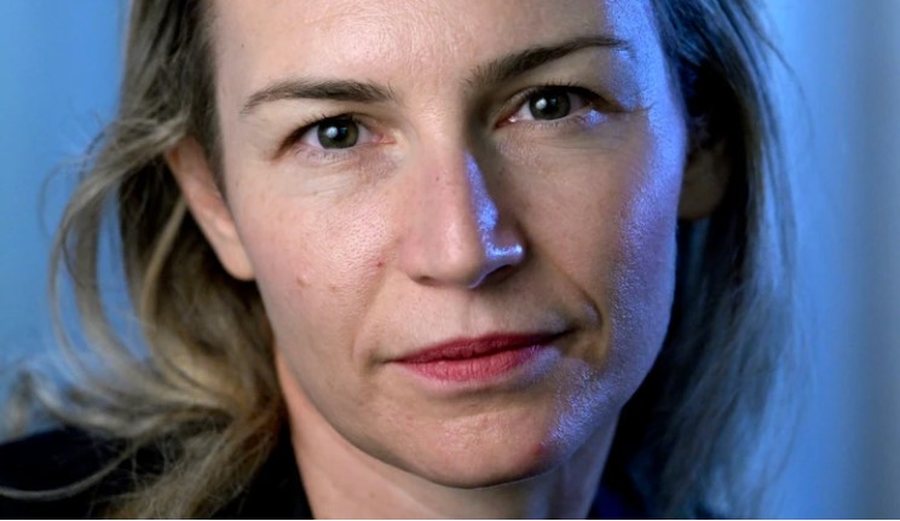
German media is once again paying attention to Albanian writer and academic Lea Ypi, this time on the occasion of the publication of her book “Indignity” in German. The article focuses on Ypi’s personal and family history, which begins with an old photo on social media showing her grandmother during World War II.
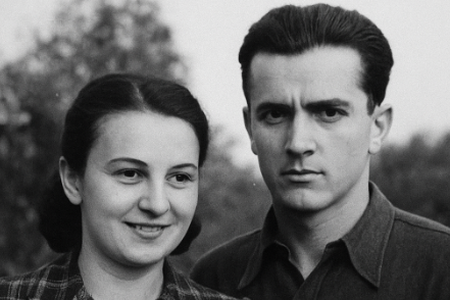
An old black and white photo, uploaded anonymously to Facebook, would become the spark that revived doubts, memories and personal research for Albanian writer and philosopher Lea Ypi. In this photo, a young couple, dressed with rare elegance, smile in front of the camera. Without even reading the description, Ypi immediately recognizes them: they are her grandparents Leman and Asllan, photographed during their honeymoon in the winter of 1941, in the Italian resort of Cortina d'Ampezzo.
But as she tries to put this image in context with family memories in 2022, comments begin to appear under the post: “Dirty communist,” one person writes directly to her. “Your grandmother was dirty too,” another continues. When one commenter calls Grandma Leman a “communist agent and former fascist collaborator,” Ypi closes the app. But the questions that arise don’t go away with the screen.
Are these just baseless insults, or does anyone know more about her grandmother, who in Ypi's eyes has always been the embodiment of virtue? Is it a coincidence that Leman, smiling and full of life, is posing in front of a luxury hotel in Italy, while the Italian fascist army is invading Albania?
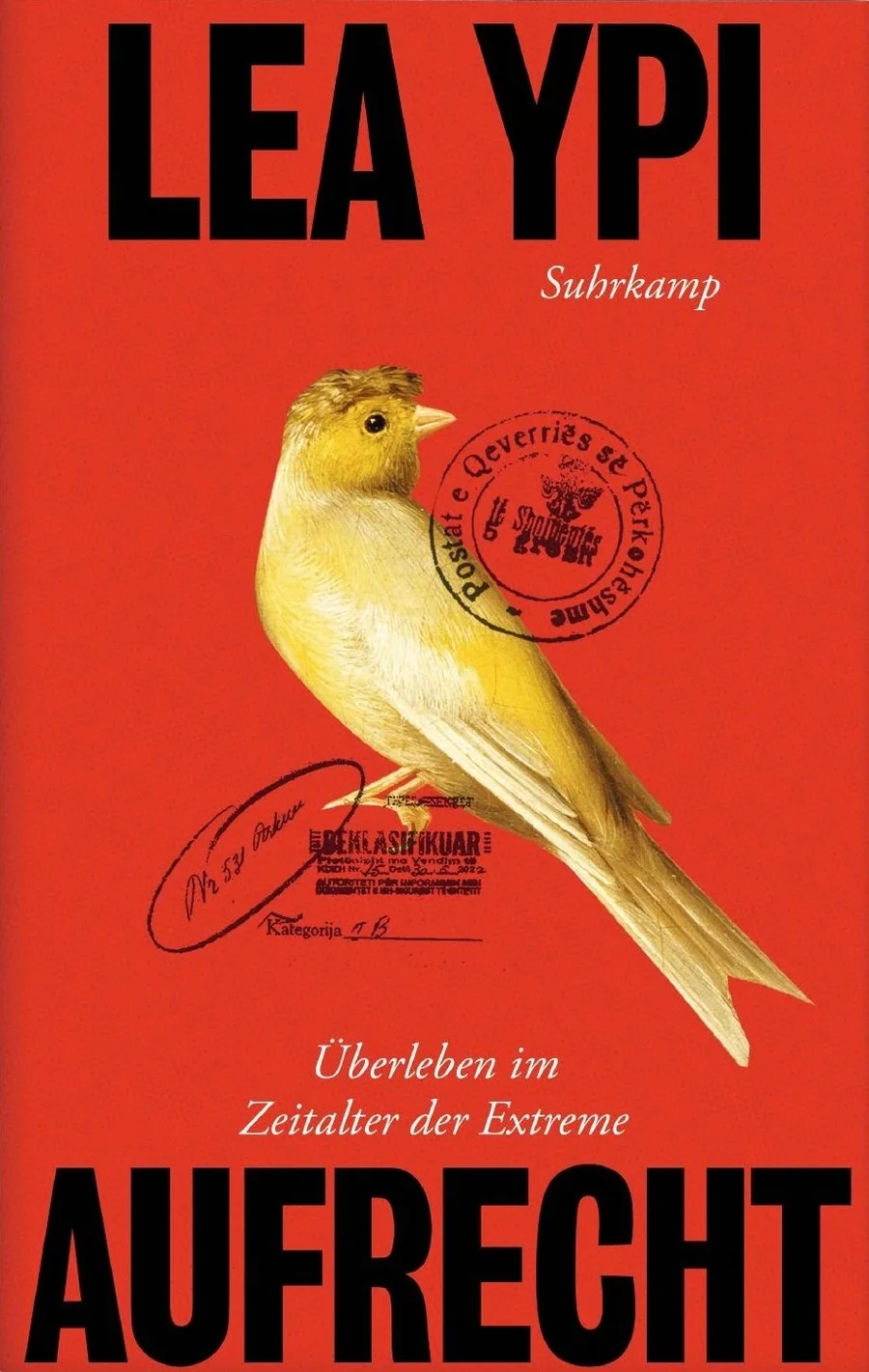
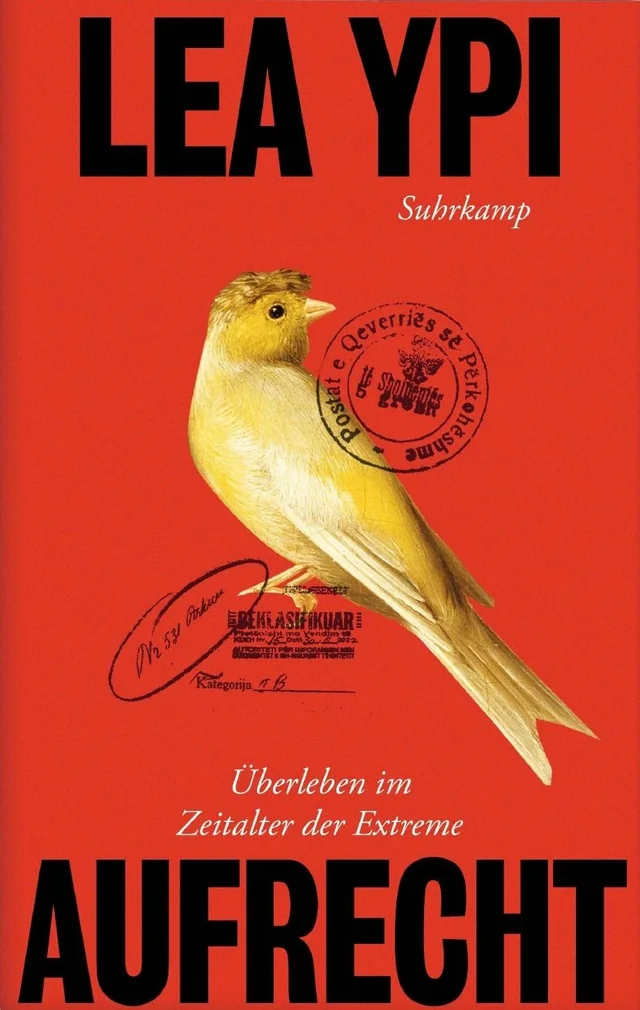
In her latest book, “Aufrecht” (Indignity: A Life Reimagined), Ypi describes this whirlwind of thoughts triggered by the photograph, and embarks on a deep search for her grandmother’s life before she became “Grandma Nini.” She searches archives in Tirana and Thessaloniki, documents, files, reports, but rarely finds concrete evidence. When the documentary factor is lacking, Ypi turns to imagination, reconstructing Leman’s life from her luxurious childhood at the end of the Ottoman Empire, to her confrontation with the Stalinist dictatorship in Albania.
Leman Ypi, born in 1918 to an elite Ottoman Albanian family, grew up in Thessaloniki, studied at a French school, and returned to Albania as a young woman, where she was employed in the state administration. She married Asllan Ypi, the son of Xhaferr Ypi, a political figure who collaborated with the Italian occupiers. When the communist regime was installed in the country, Leman's life changed: she experienced persecution, isolation, while her husband spent 15 years in the prisons of the Hoxha regime.
These elements are familiar to readers of her first book “Frei” (Freedom), where Ypi recounts her childhood and youth in the final years of Albanian communism and the chaotic transition of the 1990s, accompanied by the fall of the regime and the rise of a wild capitalism that led the country to the crisis of 1997. There she argued that while real socialism was a failure, even capitalism cannot offer true freedom – an idea that she further develops through her concept of a “moral socialism”.
In “Aufrecht,” the philosophical question remains: can an individual maintain dignity and a modicum of freedom in extreme political circumstances? But this time, Ypi no longer has the luxury of telling the story through personal experience, so she tries to combine archival research with literary recreation. She colorfully shows the world that surrounded her grandmother – from the canaries in the cage, the endless baklava that led to her father’s death, to her first flirtations with Asllan in a Tirana café, interrupted by a gloomy young man named Enver Hoxha.
But as the book progresses, tensions between fact and fiction become apparent. The two lines, the research and the literary, do not always naturally intertwine. In the end, Ypi herself admits that she has fallen on the wrong track: some of the documents she had collected belonged to another woman named Leman. “Does it really matter who exactly Leman was?” she asks. For Ypi, what remains most important is the preservation of human dignity in the face of the system, an attitude that she finds in the figure of her grandmother.
Although she tries to maintain a critical distance, Ypi admits that she cannot see Lehmann as a neutral historical figure. In the end, she seeks salvation in his art and his power to illuminate truths that documents cannot tell. An idealistic and sincere effort, although not always convincing at every turn. / Adapted from “Pamphlet” by “ Frankfurter Allgemeine ”



Lini një Përgjigje