


 Shkruar nga Pamfleti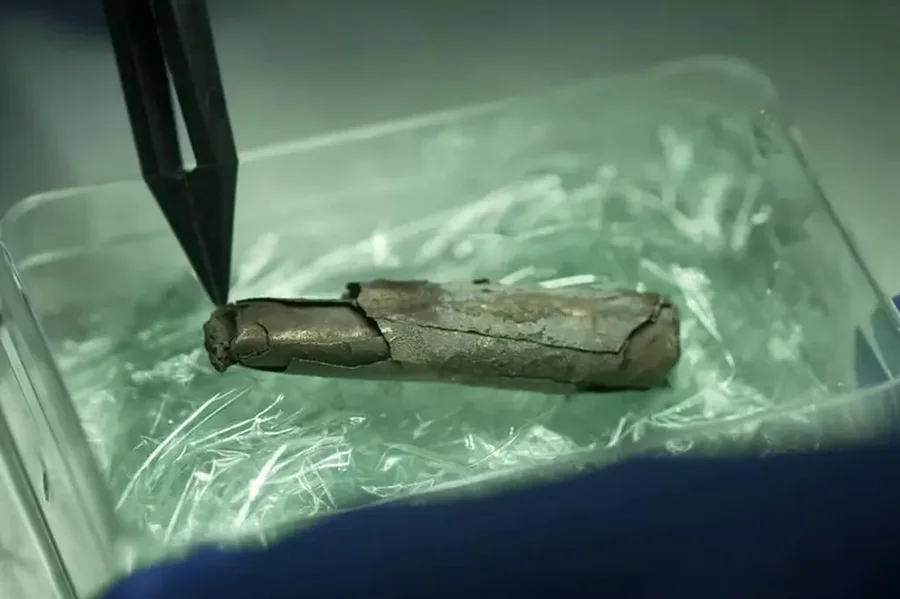
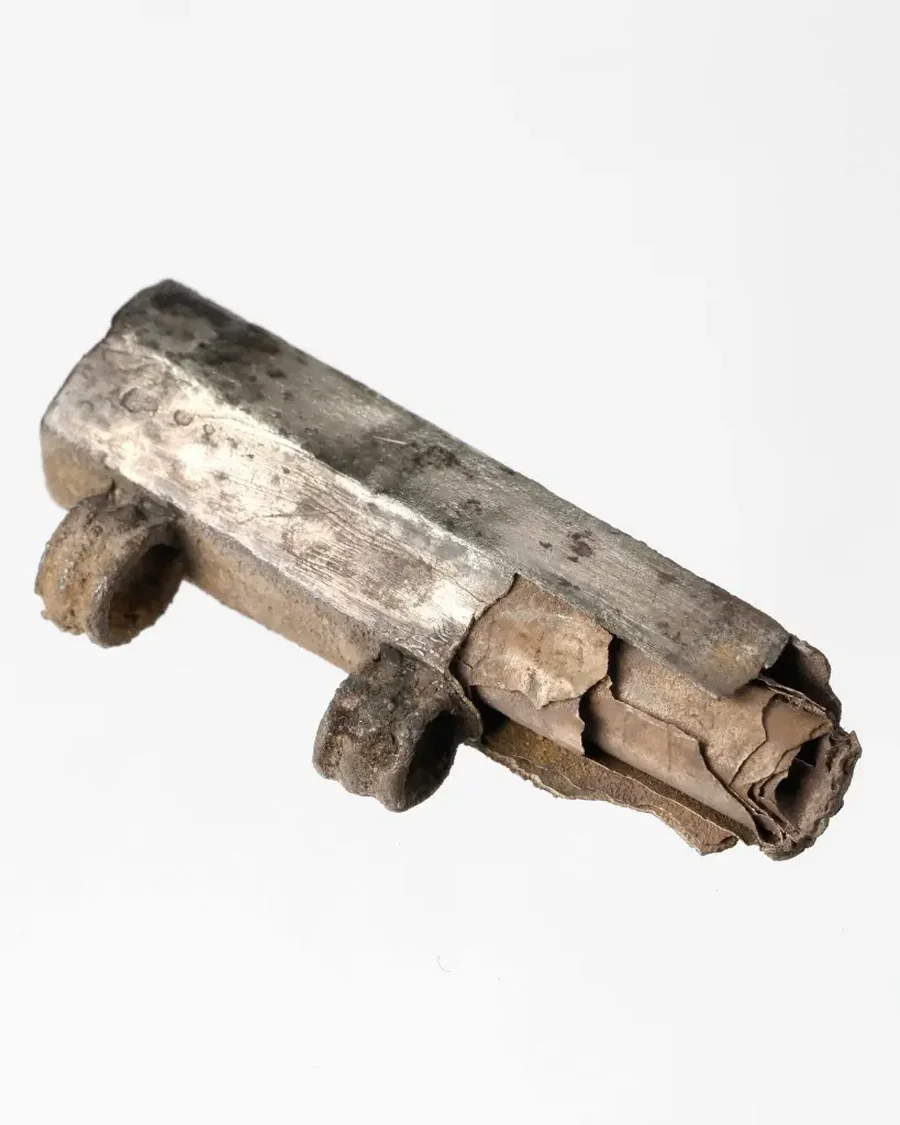
A few days before the holidays, archaeologists have "digitally dissected" an 1,800-year-old silver amulet to decipher an inscription that is being described as the oldest known evidence of Christianity in Europe, according to the New York Post.
An authentic testimony of pure Christianity north of the Alps has never existed before. And the findings have the potential to change sacred history forever.
"It will force us to turn back the history of Christianity in Frankfurt and far beyond by about 50 to 100 years," said Mike Josef, mayor of Frankfurt, Germany, where the object was exhumed.
"The first Christian discovery north of the Alps comes from our city," added Josef.
"We can be proud of that, especially now, so close to Christmas," he said.
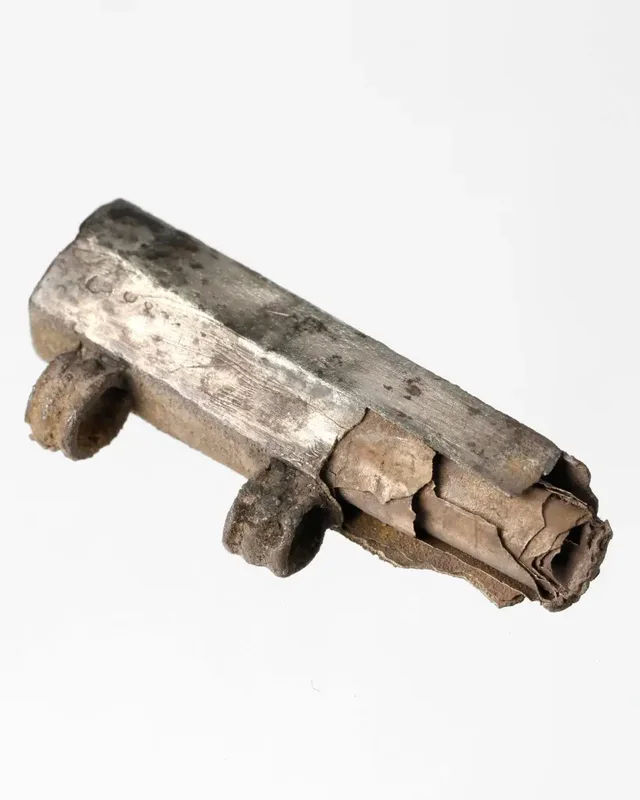
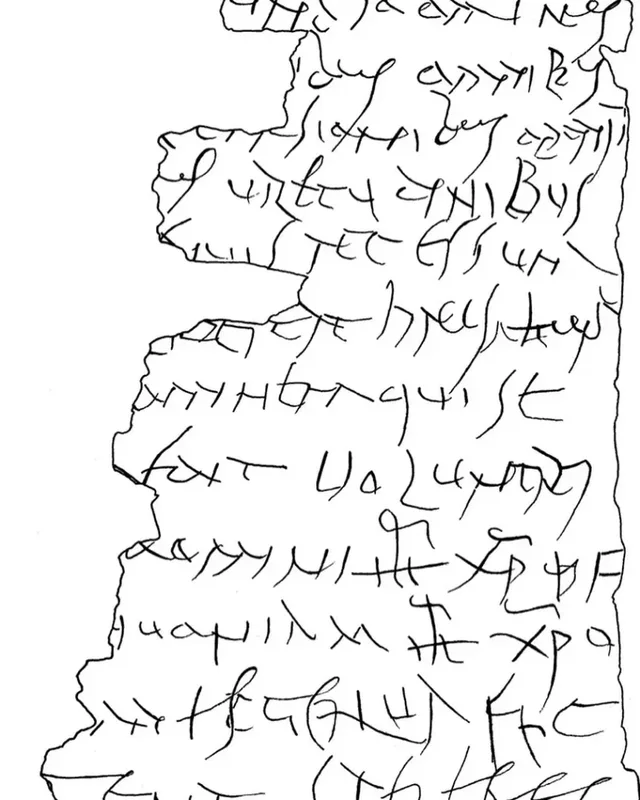
The amulet carried a sheet of metal "as thin as a mass", measuring 35.6 centimeters and a text referred to as the "silver inscription of Frankfurt".
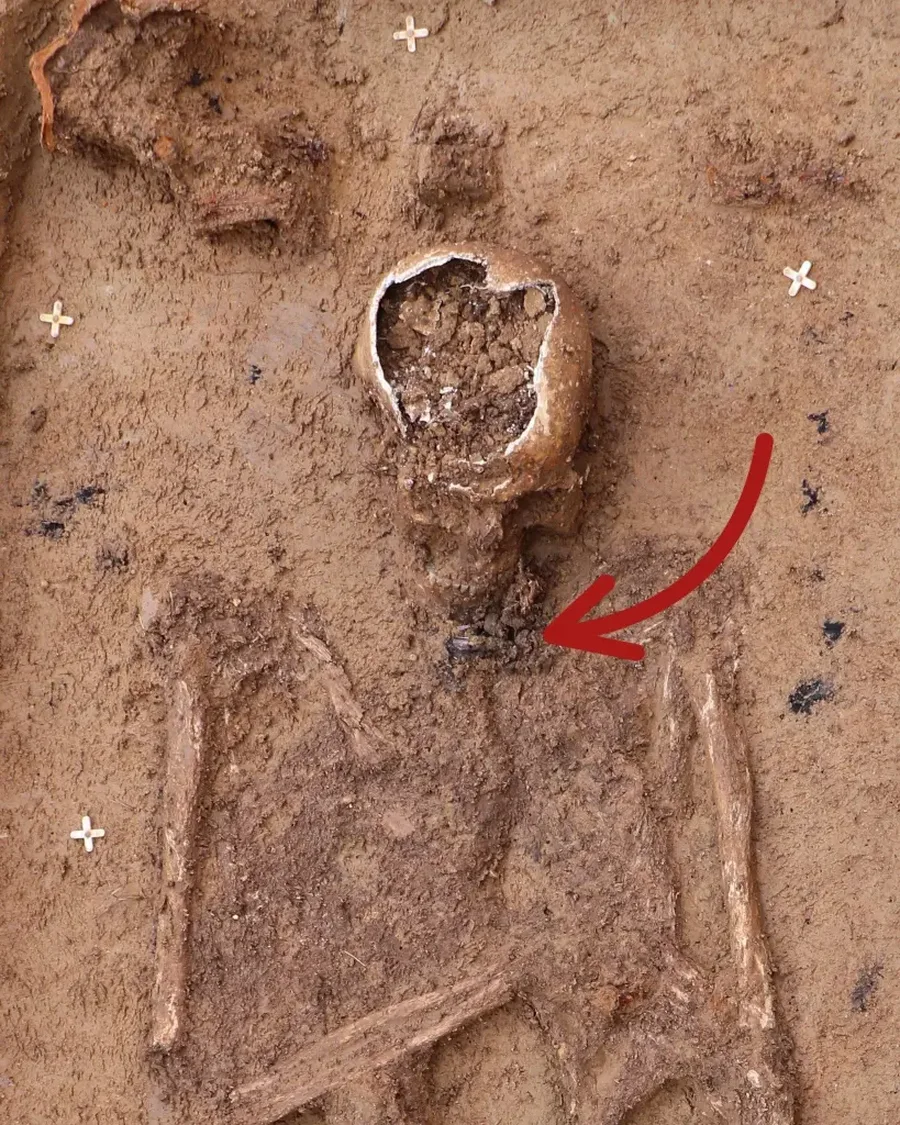
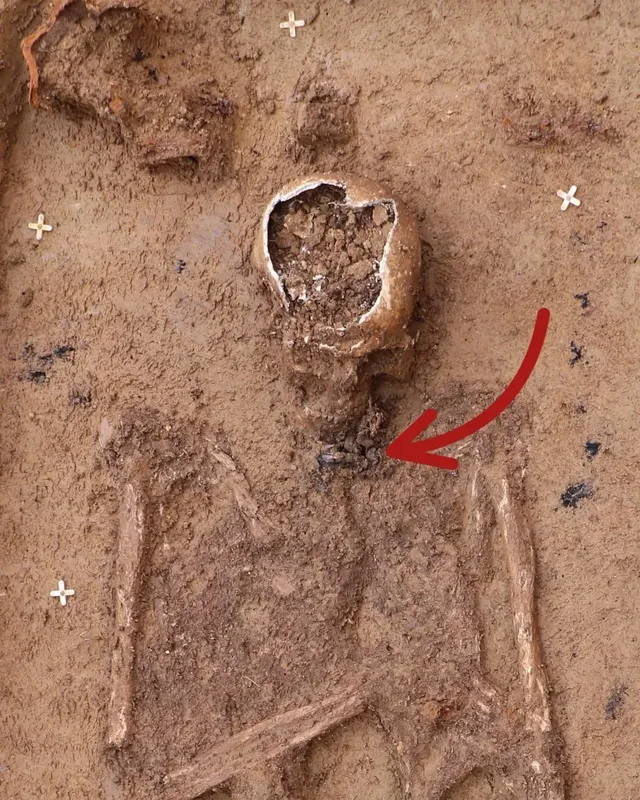
It was found under the chin of a human skeleton in a burial site on the outskirts of Frankfurt in 2018.
However, the ancient wording, dating between 230 and 270 – when the dominant religions in Europe were Judaism and paganism – has been virtually illegible until now.
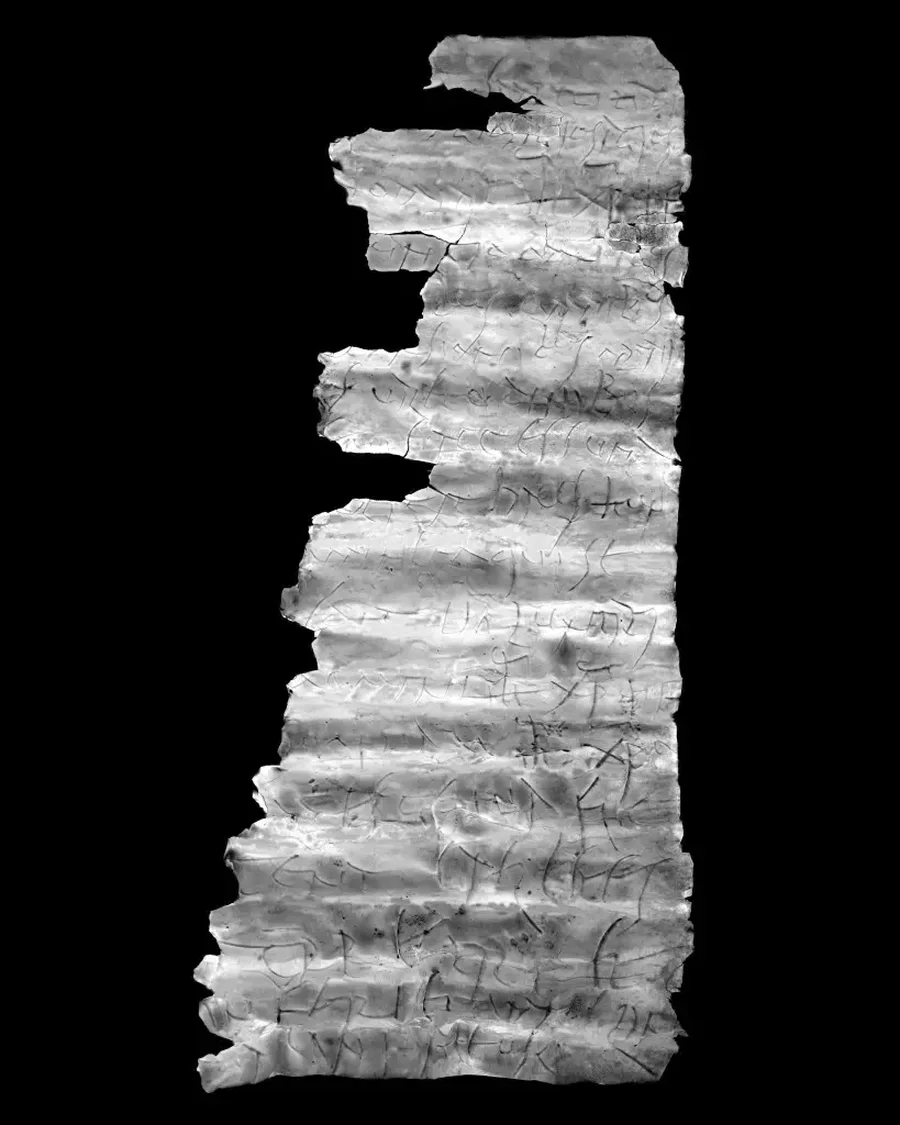
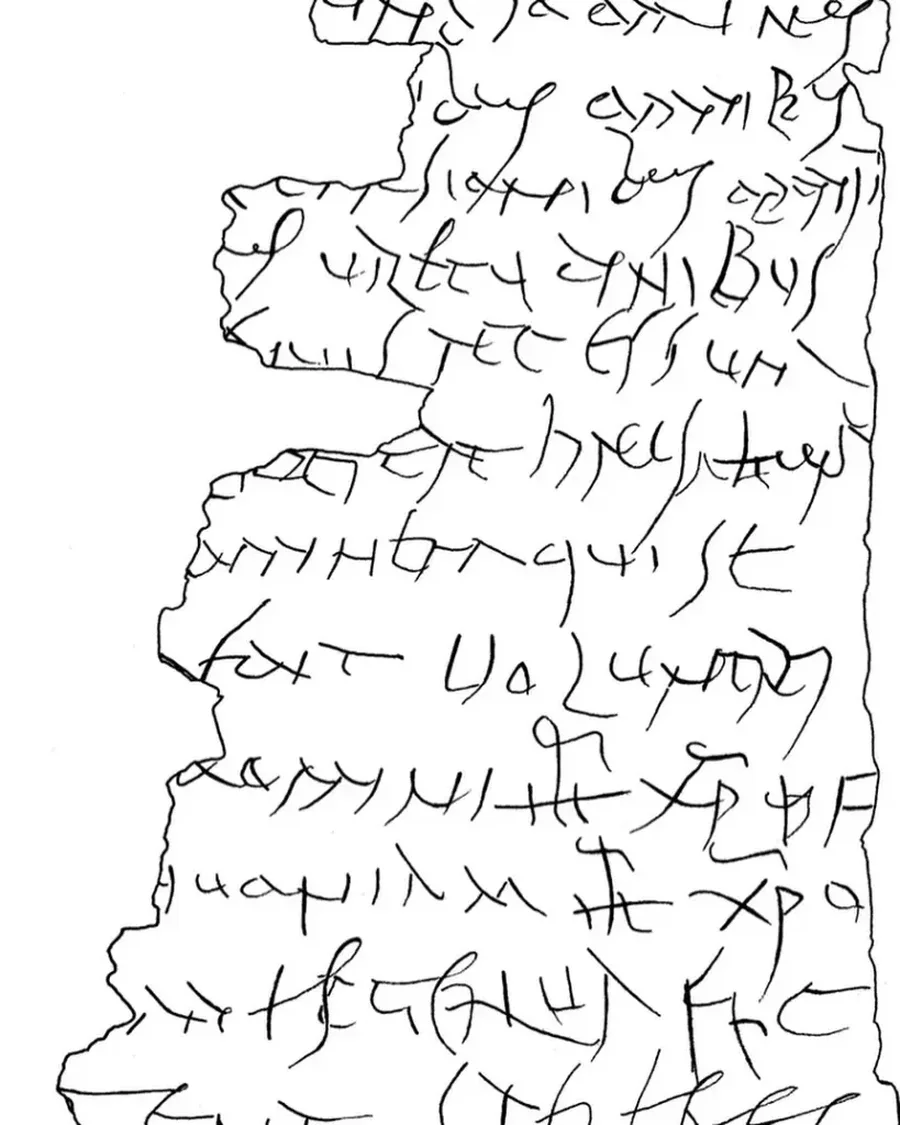
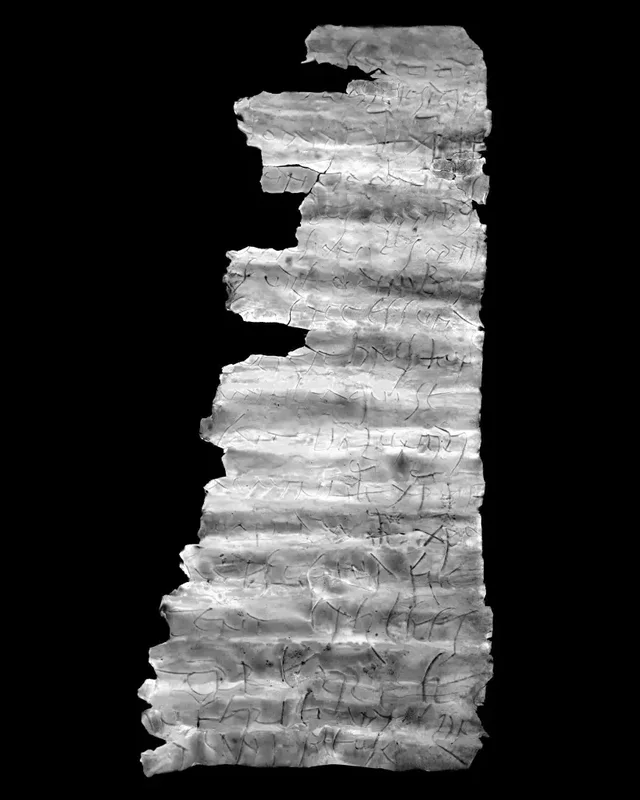
Specialists from the Leibniz Center for Archeology (LEIZA) used computed tomography (CT) to decipher the 18-line engraving, which proclaims Jesus Christ "Son of God".
The divine revelation closely follows the recent decipherment of the Meggido Mosaic, an 1,800-year-old relic that says, "Jesus is God."
It also follows the discovery of a nearly 2,000-year-old manuscript in July 2024 – detailing the earliest known account of Christ's childhood.
To decipher the code on the silver Frankfurt inscription, which is written in Latin, LEIZA experts used sophisticated technologies on the extremely delicate scroll.
"The challenge in the analysis was that the silver sheet had been rolled, but after about 1,800 years, it was certainly wrinkled and crushed," Ivan Calandra, an archaeologist at LEIZA, said in a statement.
"Using CT, we were able to scan it at a very high resolution and create a 3D model," he said.
The experts reportedly put individual segments of the scan together, piece by piece, until most of the words were visible.
However, there are said to be some gaps in the text - which is called "purely Christian" as it highlights Jesus Christ and St Titus, a missionary and church leader, but avoids pagan themes as well as elements of Judaism.
Professor Markus Scholz, an archaeologist from Goethe University in Frankfurt, led the decipherment effort.
"I called in experts from the history of theology, among others, and we approached the text together, piece by piece, and finally deciphered it," said Scholz, who was surprised that the engravings were in Latin.
"Such inscriptions on amulets were usually written in Greek or Hebrew," he noted.
And while little is known about the man who was buried with the amulet, scientists are said to believe he was a devout Christian – although believers of the faith were still subject to persecution at the time of his death.
According to insider sources, the late Jesus likely wore the amulet on a cord around his neck for protection before he passed into the afterlife.
Researchers consider it "the first Christian north of the Alps" and speculate that there may be more historic and unused burial sites in Europe.
"This extraordinary discovery affects many areas of research and will keep science engaged for a long time," said Ina Hartwig, Frankfurt's head of culture and science.
"This affects archaeology, as well as religious studies, philology and anthropology," she added.
"Such an important find here in Frankfurt is really something extraordinary," said Hartwig./ ATSH








Lini një Përgjigje