


 Shkruar nga Pamfleti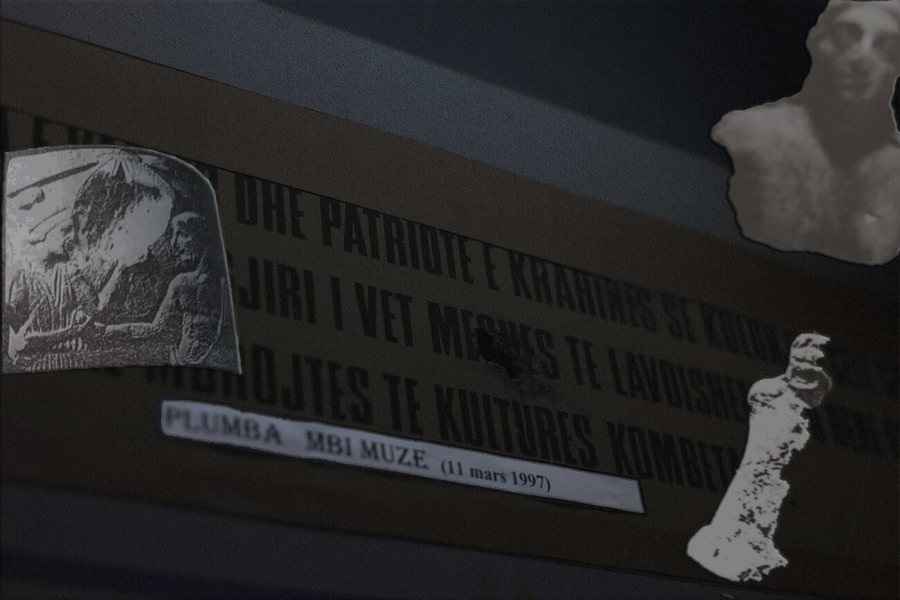
In Albania, 19 museum robberies have been recorded since 1990 and a total of 1026 artifacts were taken. Amfora revealed that some of the events were not registered in the prosecutor's office and others were closed after the perpetrators were not identified.
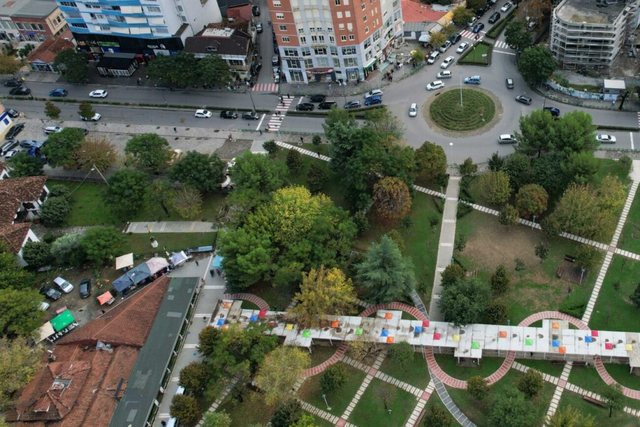
The Ethnographic Museum of Elbasan is located in the center of the city, near the Paleo-Christian basilica decorated with mosaics. "The House of the Sejdins", a characteristic building with a terrace, was donated to the state and since 1986 the cultural assets of the city have been placed there, starting from the archaeological objects of the Illyrian Civic Period, to traditional clothing, woven carpets and work tools. .
The position near the "heart of the city" and the importance in terms of the assets it keeps, did not save the museum from 2 robberies, the last one recorded in 2011.
"The Ethnographic Museum of Elbasan has been stolen twice. Once during the riots and once after," recalled the former director, Kreshnik Belegu.
"We had closed the official working day and they came and informed us that when the guard went on duty, he discovered the theft. We immediately made the relevant denunciations", he added about the event recorded in 2011.
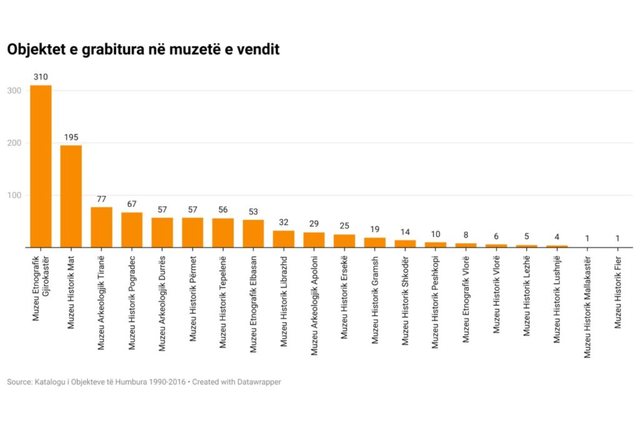
Officially, in the Ethnographic Museum of Elbasan, 53 objects were stolen in 2011. But also other museums at the national and local level have fallen prey to robberies these 34 years, losing an irretrievable part of the national identity.
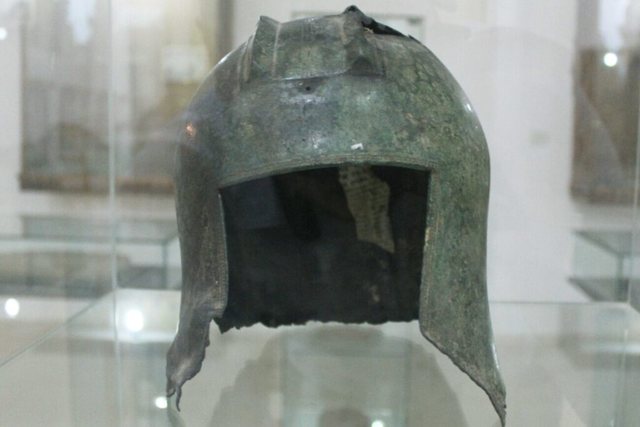
Amphora read the descriptions of looted objects, starting from the artifacts of the Illyrian Civil Period, up to Late Antiquity. Images in terracotta (baked clay), urns (for cremated ashes of the dead), reliefs, tomb stelae, glass, bronze and gold objects, were some of the artefacts missing from the country's museums.
Through the "Catalogue of Lost Objects 1990-2016", we counted 1026 stolen objects in the country's museums, for some of which photographs are available, while for others only technical descriptions are available.

In total, at least 19 museums have been stolen across the country, such as in Tirana, Durrës, Apoloni (Fier), Vlorë, Elbasan, Gjirokastër, Gramsh, Shkodër, Peshkopi, Pogradec, Mallakastër, Përmet, Lushnjë, Librazhd, Erseke, Mat, Tepelen, Fier and Lezha.
The thefts started immediately after the change of the political system in the country, culminating in the years 1992, 1993, 1997 and 2011. While most of them are still unsolved and the investigations have been closed without results.
Bullet on robbery
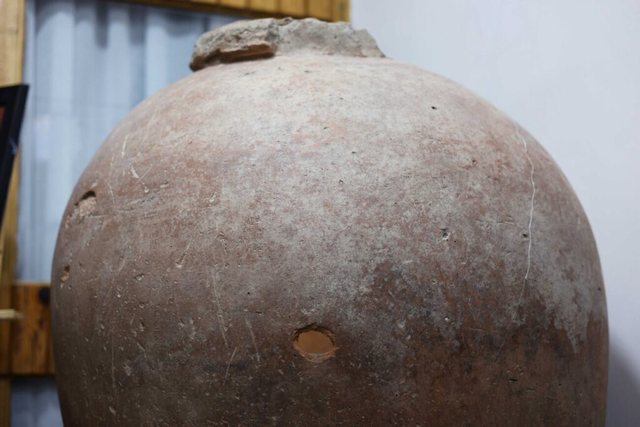
The Historical Museum of Erseka is surprising in terms of the amount of archaeological, ethnographic and historical objects that it keeps inside, divided into two floors. At its entrance, there is a pitos – for storing food in antiquity – that is traversed by almost circular holes.
"They were made when the museum was attacked with weapons," admitted Adriana Dine-Komini, the museum's curator.
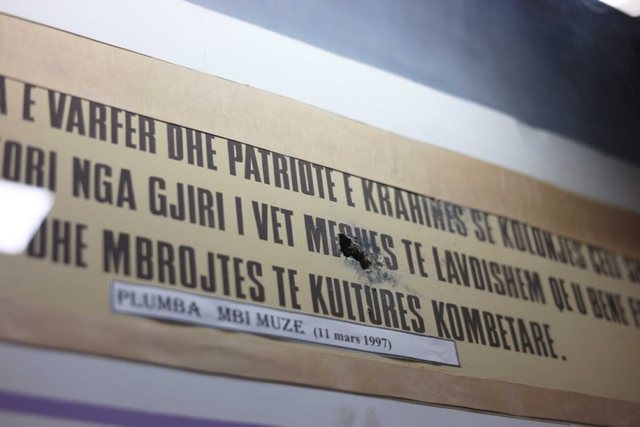
“Plumba mbi muze (11 mars 1997)”, është shënuar më tej një një prej ekspozitorëve. Fjala “mësues” është shpuar nga një breshëri automatiku që ka mbetur ashtu që prej vitit të mbrapshtë, kur u sulmua edhe muzeu.
Në mesnatën midis datave 13 dhe 14 mars 1997 burra të armatosur mësyen në Muzeun Arkeologjik Durrës, një prej më të pasurve me artefakte në Shqipëri dhe arritën të marrin prej aty artefaktet që nisnin nga Periudha Qytetare Ilire.
Zyrtarë të kohës dhe ekspertë të trashëgimisë kulturore që të mund të komentonin ngjarjen që nuk u zbardh kurrë në Durrës, nuk ishin të arritshëm për koment. Dëshmi kanë mbetur nga arkeologu i ndjerë Fatos Tartari, në një intervistë në vitin 2017, për “Gazetën Shqiptare”, shpjegoi se grabitësit kishin marrë objektet ndër më të rëndësishme në muze.
“Ata vodhën vetëm objekte të Periudhës Ilire. Aty kishte vazo që shkonin deri në 50 mijë dollarë copa, por nuk i morën”, tregonte i ndjeri Tartari.
“Nuk morën asgjë përveç objekteve të Periudhës Ilire. Morën një qelq mozaik, që ishte i Periudhës Ilire, që është shumë i rrallë”, shpjegoi ai në atë kohë.
Amfora mësoi se 20 vite pas ngjarjes, Prokuroria e Durrësit dështoi ta zbardhte dhe përfundimisht në vitin 2017 vendosi pushimin e procedimit penal për veprën, “Vjedhja me armë” sepse ajo është parashkruar.
“…parashikon një maksimum dënimi 20 vjet, ndërkohë që nga kryerja e veprës penale e deri më sot kanë kaluar më shumë se 20 vjet dhe ende nuk është bërë i mundur zbulimi i autorit të veprës penale…”, arsyetoi prokurori Ndriçim Troplini.
Muzeu Arkeologjik i Durrësit ka rënë pre e grabitjes edhe në vitin 1991 dhe në total nga të dyja vjedhjet janë marrë 57 artefakte, nga të cilat për 52 disponohen edhe fotografi, ndërsa për 5 objekte disponohet vetëm informacioni teknik.
Për vjedhjen e mëparshme, në vitin 1991, Prokuroria e Durrësit bëri me dije se nuk kishte të dhëna në regjistrin e procedimeve penale të kësaj kohe, një situatë që u konstatua edhe në qarqe të tjera, duke ekspozuar edhe mungesën e dokumentimit të këtyre vjedhjeve nga agjencitë ligjzbatuese.

40 kilometra nga aty, e pazbardhur vijon të jetë edhe vjedhja Muzeut Arkeologjik Tiranë, që ruan artefakte nga i gjithë territori i vendit.
Megjithëse gjendet midis shesheve Italia dhe Nënë Tereza, në verën e 4 qershorit të vitit 1991, nga aty u grabitën 77objekte pasuri të kombit shqiptar dhe që kishin dalë në dritë nga ekspeditat e shumta arkeologjike.
Mes objekteve të vjedhura ishte një vepër në bronz, që paraqiste një të ri, e zbuluar në Vlorë dhe që i përkiste shekullit VI Para Erës Sonë. Po ashtu u mor një reliev që paraqiste një grua me veshje ilire, e shekullit II Para Erës Sonë.
Prokuroria e Tiranës bëri me dije se e pezulloi çështjen sepse nuk i zbuloi dot autorët dhe ja ktheu pas Policisë së Tiranës për hetime të mëtejshme.

Ekspozitorë të zbrazur

The Ethnographic Museum of Gjirokastra holds the record with 310 objects stolen in the years 1991-1993, the largest number recorded during the robbery of a museum in the country. After him is the Mat Historical Museum, with 195 looted and the others where less than 100 objects are counted according to the cases.
Kreshnik Belegu started serving as the head of cultural heritage in Elbasan in 1994, until he retired in June 2019. For him, the low security measures in those years favored museum robberies, which officially have become increasingly rare. .
"There was only one guard who served at night, there was no security system, nor was the museum surrounded in those years," Belegu recalled.
Among the objects looted in the 2011 incident were objects used for decoration, ornaments, silver, iron materials and other artifacts from the time of independence.
Officially referred to as the "Catalogue of Lost Objects 1990-2016", this museum was only reported to have been stolen in 2011, but it seems that this is not an isolated incident.
"Even in 1997, they entered the museum, they stole even then. They took carpets, tapestries", Belegu confessed.
"Then we ordered in Kruja, for example carpets, so that we had some objects that we lacked with the characteristics of the city", he added.
However, the event of 2011 is not even found in the records of the Prosecutor's Office of Elbasan. "...it does not appear that such an event has been recorded", the official response read.
"After that, I did not learn anything about what was done with the investigations into the theft cases. "For the case of theft in 1997, I don't know if a complaint was made, as we notified the former leaders of the municipality at the time, as the institutions had fallen, while for the second case they called us for testimony", concluded Belegu.
Some of the museums were stolen several times, such as the historical museums of Shkodra, Erseka, Mati, the Ethnographic Museum in Gjirokastër and the Durrës Archaeological Museum.
Amfora revealed earlier that the cultural, police and prosecution authorities have failed to reach an agreement that would coordinate them in the discovery and preservation of cultural heritage objects. The same approach remains for an agreement with the USA, where the Albanian authorities have not advanced the search for the identification and return to the homeland of the looted artifacts. / Amphora






Lini një Përgjigje