


 Shkruar nga Pamfleti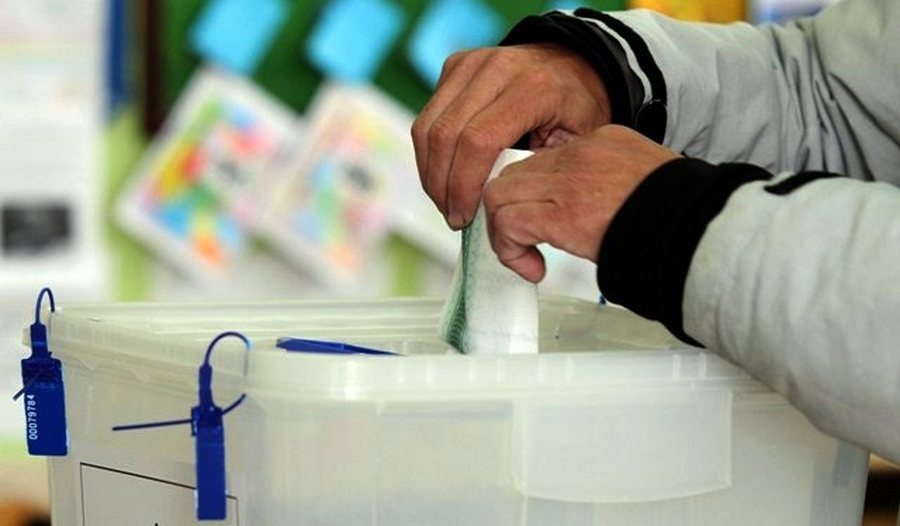
The OSCE/ODIHR has published its first report on the May 11 elections, covering the period from April 1 to 20.
The report emphasizes that the elections are considered a key moment for Albania's democratic development and on the path towards the European Union.
OSCE/ODIHR emphasizes that the political environment is characterized by a high degree of polarization and mistrust between the two main parties.
OSCE/ODIHR emphasize that for the first time in an electoral process in Albania, voting from abroad will be applied, while the electoral system has been changed to a combined formula between closed and preferential lists.
The report notes that some OSCE/ODIHR recommendations, such as removing the national threshold for independent candidates and banning party leaders from running in some electoral zones, have been included, but many other recommendations remain unimplemented.
"Changes to the legal framework during 2024 and 2025 brought new rules to the electoral system and allowed voting from abroad, but a comprehensive review of electoral laws has not yet been carried out."
Under the new system, electoral entities present closed lists and preference lists. Initially, mandates are allocated according to closed lists.
The Central Election Commission (CEC) is responsible for administering the elections. Preparations are well underway, including the process of voting from abroad by mail, for which the CEC has undertaken an extensive information campaign.
Voter education campaigns have also been launched, including for national minorities and people with disabilities.
"Electronic voting and counting will be piloted in several municipalities, with testing and public demonstrations before election day," the report states.
Excerpt from the Report:
Amendments to the legal framework in 2024 and 2025 modified the electoral system and introduced out-of-country voting, but a comprehensive review of the legal framework has not been carried out. Under the new electoral system, each electoral entity presents closed lists and preferential lists. The mandates won by a party or coalition in an electoral district are initially allocated to candidates from the closed lists. While some ODIHR recommendations have been addressed, such as changing the national threshold for independent candidates and prohibiting the possibility for political party leaders to run in some districts, many previous ODIHR recommendations remain unimplemented.
The Central Election Commission (CEC) is responsible for overseeing the administration of the elections. Preparations for the elections are proceeding according to plan, including out-of-country voting, and so far the election administration has largely respected the legal deadlines. Out-of-country voting will be carried out through postal ballots, and the CEC has conducted an extensive information campaign on out-of-country voter registration. The CEC has also launched special voter education campaigns targeting the general population, national minorities and persons with disabilities. Electronic voting and counting will be piloted in selected municipalities, with testing and public demonstrations planned before election day.
About 3.7 million voters are registered for these elections, including about 246 thousand for voting from abroad. To enable comprehensive registration of voters abroad, the CEC decided to extend the validity of expired identification documents. Voters could verify their data and request corrections, including online, during the public review period. Voter identification on election day is done using electronic identification devices.
The elections can be contested by candidates nominated by political parties, coalitions of parties, or independent candidates nominated by groups of voters. The CEC registered eleven electoral entities – eight political parties and three coalitions, with a total of 2,046 candidates. The Electoral Code includes a gender quota, which requires that one in every three candidates on both lists be from the underrepresented gender.
Women are equally represented in ministerial positions, holding half of the positions in the current government. However, women remain underrepresented in parliament, where they hold 50 out of 140 seats (36 per cent). Three out of 12 members of the CEC and about 31 per cent of members of the Electoral Administration Commissions in the zones are women. Of the registered candidates, 787 (38.47 per cent) are women. Several interlocutors of the ODIHR observation mission highlighted the persistence of gender stereotypes.
The official election campaign began on April 11. After several high-profile activities to mark the launch of the campaign, it has continued in a lukewarm manner.
Personal attacks between leaders of the main parties are common, including online. The use of state resources and campaigning within public institutions are prohibited, but concerns persist about pressure on civil servants, unfair influence on voters, and misuse of public assets.
KQZ ka marrë një numër të madh ankesash për shkelje të rregullave të fushatës dhe vazhdon të monitorojë aktivisht respektimin e tyre, duke përfshirë edhe aktivitetet online të 50 institucioneve publike. Edhe pse fushata në rrjetet sociale mungon në rregullim formal, partitë politike janë zotuar vullnetarisht të respektojnë një Kod Sjelljeje që promovon etikën në fushatat dixhitale. Janë prezantuar ligje dhe udhëzime të reja për mbrojtjen e të dhënave personale për të mbrojtur informacionin e votuesve, ndërkohë që autoritetet kanë bërë thirrje për vigjilencë kundër keqpërdorimit të të dhënave personale gjatë fushatës.
Fushata mund të financohet nga fonde publike dhe private, përfshirë kredi. Ligji vendos kufizime për donacionet dhe shpenzimet. KQZ mbikëqyr respektimin e rregullave të financimit të fushatës. Nuk janë bërë ndryshime të rëndësishme në kuadrin rregullator që nga zgjedhjet e fundit. Rekomandimet e ODIHR-it mbi raportimin e ndërmjetëm, rregullimin e financimit nga palët e treta dhe zgjerimin e financimit publik për kandidatët e pavarur mbeten të paadresuara.
Kuadri ligjor mbron lirinë e shprehjes, megjithatë shpifja mbetet e kriminalizuar dhe çështje civile dhe penale për shpifje ndaj gazetarëve vazhdojnë të ndodhin. Pavarësia e medias dhe diversiteti i raportimit ndikohet nga përqendrimi i pronësisë mbi media dhe nga varësia e pronarëve ndaj tenderëve publikë për interesat e tyre më të gjera të biznesit. Ekzistojnë shqetësime lidhur me pavarësinë e bordeve drejtuese të rregullatorit të transmetimeve dhe të transmetuesit publik. Kodi Zgjedhor parashikon që partitë që fituan më shumë se 20 për qind të vendeve në zgjedhjet e fundit të përfitojnë dyfish më shumë mbulim në lajme sesa partitë e tjera parlamentare që garojnë.
Komisioni i Ankimimeve dhe Sanksioneve (KAS) shërben si organi i shkallës së parë për ankimet kundër vendimeve të KQZ-së dhe komisioneve më të ulëta, të cilat mund të apelohen si instancë e fundit në Kolegjin Zgjedhor pranë Gjykatës së Apelit Tiranë. Subjektet zgjedhore kanë tre ditë për të paraqitur një ankesë, përveç ankesave mbi rezultatet e zgjedhjeve, për të cilat afati është pesë ditë. Palët e treta me interes të ligjshëm mund të paraqesin një ankesë administrative. Struktura e Posaçme Kundër Korrupsionit dhe Krimit të Organizuar (SPAK) ka ngritur një task-forcë për hetimin e krimeve të caktuara zgjedhore dhe një platformë online për denoncimet nga publiku.
Kushtetuta garanton të drejtat politike, civile dhe sociale të plota për pakicat. Lejohet zhvillimi i fushatës në gjuhët e pakicave kombëtare. KQZ ka deklaruar se do të prodhojë disa materiale zgjedhore në gjuhët e pakicave kombëtare dhe ka nisur një seri aktivitetesh informuese për të promovuar pjesëmarrjen e grupeve të nënpërfaqësuara.
The Electoral Code provides for citizen and international observation at all levels. As of 11 April, 26 national and 10 international organizations had been accredited. Civil society organizations informed the ODIHR observation mission that a lack of funding would affect their capacity to undertake comprehensive observation on election day. Representatives of parties, coalitions, and independent candidates may also observe.






Lini një Përgjigje