


 Shkruar nga Pamfleti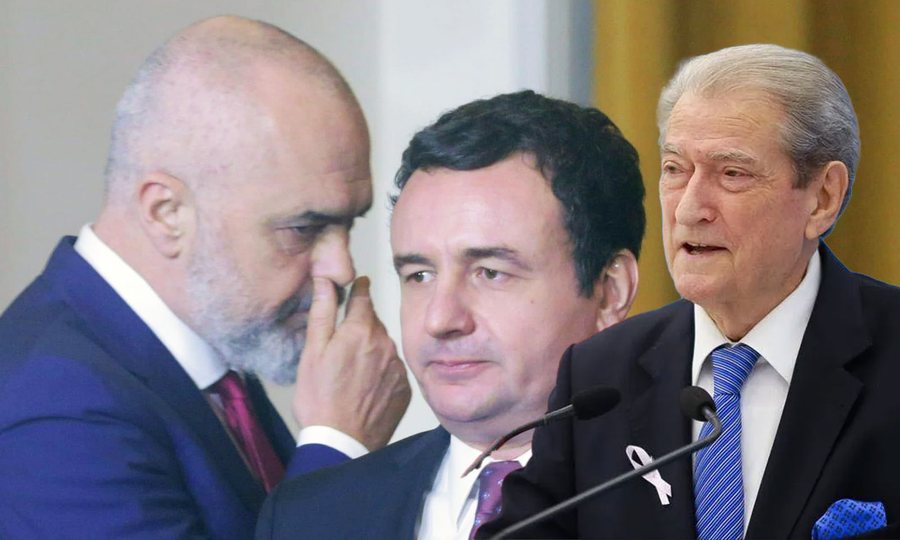
Prime Minister Edi Rama's Socialists are expected to win another term amid opposition turmoil, but wider protests and unrest are expected as the Socialists have already been in power for nearly 12 years. Kosovo's left-wing nationalist Vetëvendosje prime minister Albin Kurti is also headed for another term, polls show.
Southeast Europe’s largest economy, Romania, entered 2025 in a state of uncertainty. Following the unprecedented decision to cancel the presidential elections at the end of 2024, new elections are scheduled for early 2025, but the date is still unknown. In the meantime, the two former ruling parties, the Social Democratic Party (PSD) and the National Liberal Party (PNL), have formed a new government – but its long-term stability depends on the outcome of the presidential elections.
Calin Georgescu, the far-right pro-Russian candidate whose first-round victory led to the decision to annul the presidential election, still leads in the latest polls. If he is allowed to run again, he would almost certainly advance to the second round and could emerge as Romania's next president.
It is still unclear who the ruling coalition will back; Prime Minister Marcel Ciolacu is staying out of the race after his poor showing last time, while the coalition's pick for re-election, Crin Antonescu, has suspended his presidential bid. Bucharest Mayor Nicusur Dan is the most prominent candidate committed to running for president, but he is far behind Georgescu.
Despite the lack of clarity about Romania’s political direction, Romania’s new government has approved a first draft fiscal adjustment package, with an estimated combined budgetary impact of around 1% of GDP in 2025. This is in line with the annual fiscal consolidation target foreseen under the European Commission’s Excessive Deficit Procedure (EDP) Plan, but roughly half of the current consolidation effort. With the presidential elections in mind, the government tried to sweeten the pill, denying that it was an austerity package, but it faced strong criticism from affected groups from business leaders to public sector workers.
Meanwhile, the controversy over the presidential election and the lack of clarity about the future have been damaging to Romania's reputation among investors. In December, Fitch Ratings revised the outlook on Romania's long-term issuer default rating (IDR) to negative from stable.
Bulgaria is in a similar state of political flux – and has been since the beginning of 2021. Since then, there have been seven general elections, each of which has led to fragmented parliaments, while the country has been ruled by caretaker governments or short-lived and unstable coalitions. The last vote in October 2024 was no different, and Bulgaria is likely to head to another election in the spring of 2025, with no clear prospect of a way out of the long-running crisis.
Croatia held a second round of presidential elections on 12 January 2025, with incumbent President Zoran Milanović winning convincingly, ushering in another period of uneasy coexistence with the Croatian Democratic Union (HDZ)-led government. The HDZ is also under pressure after a series of corruption scandals, most recently involving former Health Minister Vili Beros, who was arrested in autumn 2024.
In neighboring Slovenia , the ruling Freedom Party's popularity has fallen to a record low, which the right-wing opposition Democratic Party of Slovenia (SDS) has exploited as it seeks a comeback. General elections are not due until spring 2026, but there is speculation they could be brought forward to 2025.
The return of former US President Donald Trump could benefit SDS leader Janez Jansa, who is ready to capitalize on any revival of populist sentiment.
Elections are also coming up in Albania and Kosovo .
In the first, Prime Minister Edi Rama's Socialists are expected to win another term amid opposition turmoil, but wider protests and unrest are expected as the Socialists have already been in power for nearly 12 years. Kosovo's left-wing nationalist Vetëvendosje Prime Minister Albin Kurti is also headed for another term, polls show.
In contrast, Serbia's ruling Serbian Progressive Party (SNS) remains deeply entrenched in power. Successive waves of protests – the latest sparked by a deadly accident at the Novi Sad railway station – have failed to oust President Aleksandar Vučić's party.
However, Belgrade remains under pressure for its neutral stance towards Russia. Serbia's refusal to sanction Russia, and consequently its alignment with the EU's Common Foreign and Security Policy, has led to calls for a freeze on its progress towards EU accession, but Belgrade shows no sign of moving on the issue.
EU membership is a primary goal throughout the Western Balkans region.
Montenegro remains the frontrunner, with hopes of accession by the end of the decade. Albania is also making progress, no longer held back by the lack of progress of its neighbor, North Macedonia.
Është e paqartë se si Maqedonia e Veriut do të arrijë të zhbllokojë rrugën e saj drejt BE-së, pasi ndryshimet kushtetuese jopopullore të kërkuara nga Bullgaria anëtare e BE-së duhet të miratohen përpara se të hapë negociatat.
Ndërkohë, rajoni i Ballkanit Perëndimor aspirues në BE po përfiton nga një nxitje e para-anëtarësimit pasi shfaqet si një destinacion i afërt për kompanitë evropiane falë afërsisë gjeografike, fuqisë punëtore të kualifikuar dhe kostos relativisht të ulët.
Rumania ka qenë prej kohësh një destinacion si për prodhimin ashtu edhe për shërbimet e TI-së, por ekonomitë më të vogla si Serbia dhe Maqedonia e Veriut janë bërë gjithnjë e më të spikatura në sektorë të tillë si komponentët e automobilave. Potenciali ripërtëritës i rajonit – të 11 ekonomitë e Evropës Juglindore përveç Sllovenisë janë më të varfra se vendet e Evropës Qendrore në terma për frymë – po ndihmon në nxitjen e rritjes më të shpejtë.
Që nga pushtimi i Ukrainës gati tre vjet më parë, ka pasur shqetësime se Rusia mund të kërkojë të rrisë ndërhyrjen e saj në Ballkan për të destabilizuar rajonin dhe për të larguar Perëndimin nga mbështetja e tij për Ukrainën. Deri më tani kjo nuk ka ndodhur, por ka disa situata të vazhdueshme për t'u parë.
Bosnja mbetet e paqëndrueshme, me liderin serb të Bosnjës Milorad Dodik – një aleat i Putinit i cili ka vizituar disa herë Moskën që nga pushtimi i Ukrainës – duke vazhduar të nxisë mosmarrëveshje me retorikën rreth shkëputjes së entitetit serb të Bosnjës, Republika Srpska dhe hapat për të hedhur poshtë autoritetin e shtetit të Bosnjës. -institucione të nivelit.
Situata në veri të Kosovës, e populluar kryesisht me serbë etnike, është bërë gjithnjë e më e paqëndrueshme. Ka pasur disa incidente të dhunshme, më e rënda është vrasja e një roje kufitare nga një bandë e armatosur serbe. Ndërkohë, me qeverisjen Kurti Prishtina ka kërkuar të vulos autoritetin e saj në rajonin verior, duke shkaktuar protesta nga serbët vendas dhe kritika ndërkombëtare. Në Beograd ka shpresa se kthimi i Donald Trump në pushtet në SHBA mund të çojë në një qëndrim më miqësor ndaj serbëve nga Uashingtoni.
Një krizë energjetike e shkaktuar nga ndërprerja e furnizimit me gaz rus në fillim të janarit kërcënon të minojë stabilitetin në Moldavi, ku Partia pro-BE e Veprimit dhe Solidaritetit (PAS) po kërkon rizgjedhjen këtë pranverë. Presidentja e PAS, Maia Sandu, mbajti postin e saj në tetor 2024, pavarësisht ndërhyrjes në shkallë të gjerë ruse. Megjithatë, një rritje në kostot e energjisë do të jetë e dëmshme për PAS.
Meanwhile, a humanitarian crisis is unfolding in the Russian-backed breakaway region of Transnistria, which until January 1 imported Russian gas for both its own use and to generate electricity to supply the entire country. There is speculation that Tiraspol – which has refused aid to alleviate the crisis – could exploit the situation to destabilize the country as a whole and make a renewed push for independence. / Adapted Pamphlet from IntelliNews /



Lini një Përgjigje