


 Shkruar nga Pamfleti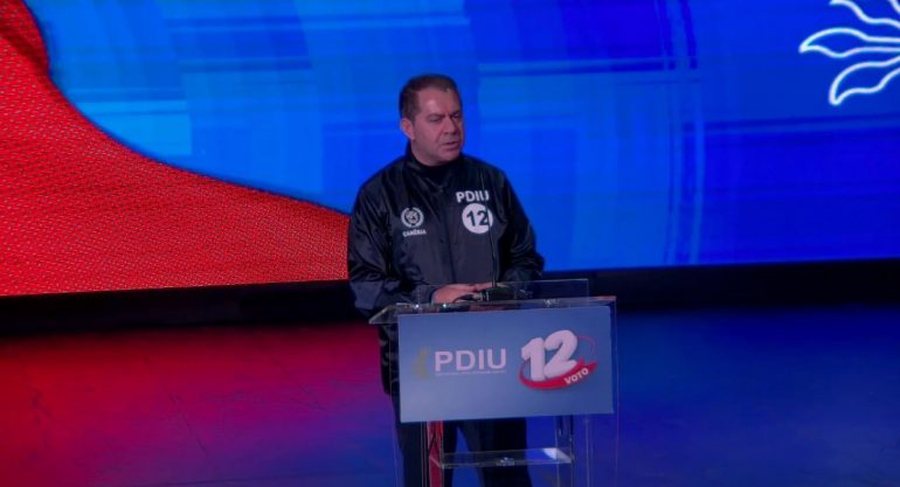
The Socialist Party has lost ground in the Fier Region in the past elections, after peaking in 2017 with 10 mandates. However, even then, the tenth mandate came as a result of votes divided among the opposition parties, which makes this objective declared by them difficult. Things will depend, however, on the performance of the small parties as well as on the fact that on which side these parties will erode more.
The Fier region has over 400,000 voters and elects 16 members of parliament, making it the second largest region in the country after Tirana. And because of its size, in the May 11 elections in this region, it seems that small parties, such as the Social Democratic Party, the Albania Becomes Initiative or the Together Movement, are also active and hoping to win mandates.
The Fier region has traditionally voted left-wing, with the Socialist Party always being the leading force. But the fact that this is one of the regions with an even number of mandates makes it difficult to maximize narrow margins in mandates.
The best result for the Socialists dates back to the 2017 parliamentary elections, when they won 104,000 votes or 57% of the total. This was rewarded with 10 mandates, but the tenth mandate was the result of about 6,000 votes that a losing candidate from the Justice, Integration and Unity Party received from the traditional Democratic Party. The candidate in question is currently running for the Socialists.
The best result for the Democrats was in 2021, when they won almost 65,000 votes or 37%. This divided the total number of seats into 9 for the SP, 6 for the DP, and 1 for the SMI.
The Socialists have stated that in these elections, the tenth mandate in Fier is their objective, but for this to happen, they will have to receive even more votes than in 2017. The opposite, a rise of the opposition and a tie of 8 to 8 mandates also seems difficult. The DP and the SMI together received 77 thousand votes in the previous elections, compared to 91 thousand received by the Socialists.
In the 2009 elections, the SP coalition won 52% of the vote and 9 seats. The right-wing coalition won 40% of the vote and 6 seats, while the SMI won one seat with 6%. In 2013, the Socialists again won 9 seats, but the SMI increased its tally to two seats, and the DP shared all five seats of its coalition with the Justice, Integration and Unity Party, which won one seat.
Local factors and small parties are still expected to play a role in these elections, both as candidates seeking mandates and as forces whose votes could erode the mandates of the big ones.
The Cham factor seems to be an important factor in the game, this time, the current DP MP Nustret Avdulla, who was elected from the closed lists of the DP coalition from the ranks of the PDIU in 2021, tries his luck for the socialists by running from the open lists. Avdulla had received around 2,500 favorable votes in 2021 and if these votes go to the socialists, they are still not very significant in the result.
The Cham population usually votes against the SP, but in the 2021 elections, the alliance at the local level between the SP and several politicians claiming to represent this social group has been particularly productive for the Socialists in terms of mandates, especially in the Tirana and Elbasan regions. It remains to be seen whether this will also be the case in Fier.
The Bashke Movement will likely play a bigger role in the outcome than the Cham element for the Socialists. The party, which is competing for the first time, challenges the Socialists with a left-wing program in a left-wing area, and to demonstrate the importance it attaches to this region, this party held its opening campaign meeting in Fier. Its first candidate, Mirela Ruko, is the organizational secretary of Bashke Movement and is currently a member of the Tirana Municipal Council, after her party received over 7,000 votes in the 2023 local government council elections. If it wins, it is very likely that Bashke's mandate will be snatched from the Socialist Party.
It is not certain whether the Bashke Movement will manage to mobilize over 10 thousand votes needed to win a mandate, but in any case, no matter how few votes it receives, it is likely to receive them from traditional left-wing voters, which means that the Socialists will need an additional effort for the tenth mandate, and perhaps, if Bashke grabs 7 or 8 thousand of them in this district, they will have to maintain the ninth mandate, which could eventually fall into the lap of the opposition. This is of course balanced to some extent by the presence of several other small parties, which target the traditional right-wing electorate. Agron Shehaj's Opportunity Party, Basha's Euro-Atlantic Coalition and Right for Development are all groups that emerged from the DP or partially from the DP. Their strength at the local level is difficult to understand.
In the end, the Albania Becomes Initiative seems to have eroded both sides of politics, but it is unclear which side's traditional supporters it eroded the most. The Thurrje Initiative received 921 votes or 0.5% when it ran in the district in the 2021 elections.
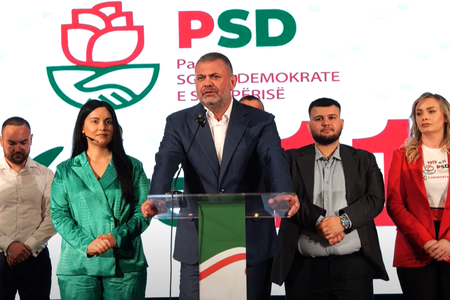
Partia Socialdemokrate e Tom Doshit u profilizua në bashkitë e qarkut Fier si pretendente për mandat në zgjedhjet e vitit 2023. Kjo parti mori 8300 vota në garat për këshille në gjashtë bashkitë e Fierit dhe aktualisht një numër drejtorësh të administratës publike mbushin listën e saj të kandidatëve. Efekti i saj në zgjedhjet e 11 majit mbetet gjithsesi i pasigurt për shkak se drejtorët kandidatë të saj janë duke u shkarkuar në Fier, gjë që sugjeron se vëllai socialist i sheh si gërryes nga votat e saj.
Profili demografik e social
Qarku i Fierit shtrihet në një zonë përgjithësisht fushore dhe kodrinore, nga bregdeti i Adriatikut deri pranë Malit të Shpiragut në perëndim. Lumi Vjosë përbën kufirin jugor me qarqet Vlorë e Gjirokastër. Ultësira e Myzeqesë përbën zonën më të rëndësishme bujqësore të Shqipërisë ndërsa në territorin e qarkut gjenden pjesa më e madhe e fushave naftëmbajtëse të Shqipërisë, Marinza, Visoka dhe Cakran-Mollaj, kjo e fundit pothuajse e shterruar tërësisht.
Qyteti i Fierit u zhvillua fillimisht si qendër tregtare e më pas si qendër industriale, rol të cilin e ruan edhe sot, me industrinë e përpunimit të naftës. Qyteti i Lushnjës pati histori të ngjashme, një qendër rajonale tregtie e zgjeruar me industrinë agroushqimore si dhe të plastikës.
Qyteza e Ballshit u ndërtua me punë të të burgosurve në kohën e komunizmit në funksion të një rafinerie nafte, e cila përpunoi naftën e vendburimit Cakran – Mollaj dhe që aktualisht nuk ekziston më. QytezEduara e Patosit u zhvillua gjithashtu në kuadër të industrisë së naftës ndërsa ajo e Roskovecit ka ekzistuar si treg për zonën.
Krahas bujqësisë, peshkimi ka një rol në ekonominë vendëse, veçanërisht në Lagunën e Karavastasë.
Turizmi është i zhvilluar në mënyrë të kufizuar në zonën e Divjakës dhe Karavastasë ndërsa plazhi i Semanit, mbetet i virgjër.
Censi i popullsisë i vitit 2023 gjeti 240 mijë banorë në territorin e këtij qarku, nga të cilët, 55% jetojnë në zonat rurale. Popullsia ka rënë me 22% nga viti 2011 dhe me 37% nga viti 2001. Rënia dramatike e popullsisë ka sjellë edhe plakjen e saj. Në nivel qarku, katër në çdo dhjetë votues janë mbi 65 vjeç dhe tema e pensioneve të ulëta është kyçe. Qyteti i Fierit, dikur një nga qytetet më të populluara të vendit, ka rënë në 53 mijë banorë aktualisht ndërsa qyteti i Lushnjës ka rënë në 26 mijë.
Rreth 56% e popullsisë së qarkut banon në zonat rurale.
Kandidatët
Një numër drejtorësh, përgjithësisht të lidhur me Ministrinë e Ekonomisë dhe Energjetikës, mbush listat e kandidatëve të Partisë Socialiste. Në listën e mbyllur dhe të sigurt gjenden ministrat Belinda Balluku e Petrit Malaj ndërsa më poshtë në listë garojnë Kiduina Zaka, drejtoreshë në sektorin e shëndetësisë në Lushnjë, Erjo Mile, drejtues në kryeministri dhe Ana Nako, drejtoreshë gjimnazi.
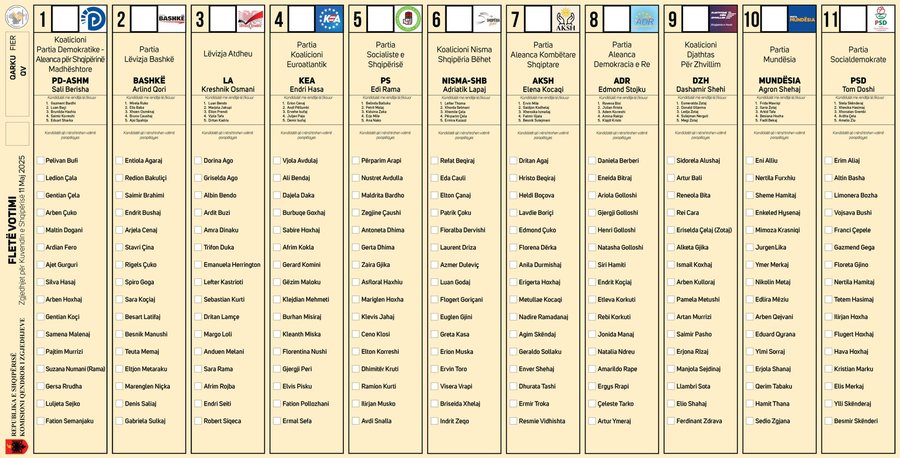
Ceno Klosi, former director of taxes, OSHEE and most recently, deputy minister of Balluk, is running for a mandate from the open lists alongside former democrat MP from the ranks of the PDIU, Nustret Avdulla or current MP Antoneta Dhima. Zegjine Çaushi, lawyer at the state-owned company Illyrian Guard in Tirana and former chief inspector at IKMT Roskovec is running alongside Zaira Gjika, director of DRAP Fier.
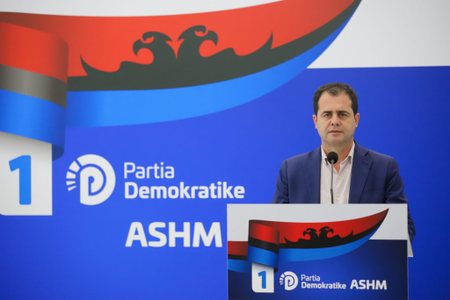
Current MPs Gazmend Bardhi and Luan Baçi lead the closed opposition list, which also includes Brunilda Haxhiu from the Freedom Party and Eduart Sharka from the Lushnja DP.
The Together Movement is led by Mirela Ruko and Elis Baba. The Opportunity Party list is led by Frida Mavriqi, a journalist, while the Social Democratic Party list is led by Stela Skënderaj./BIRN



Lini një Përgjigje