


 Shkruar nga Pamfleti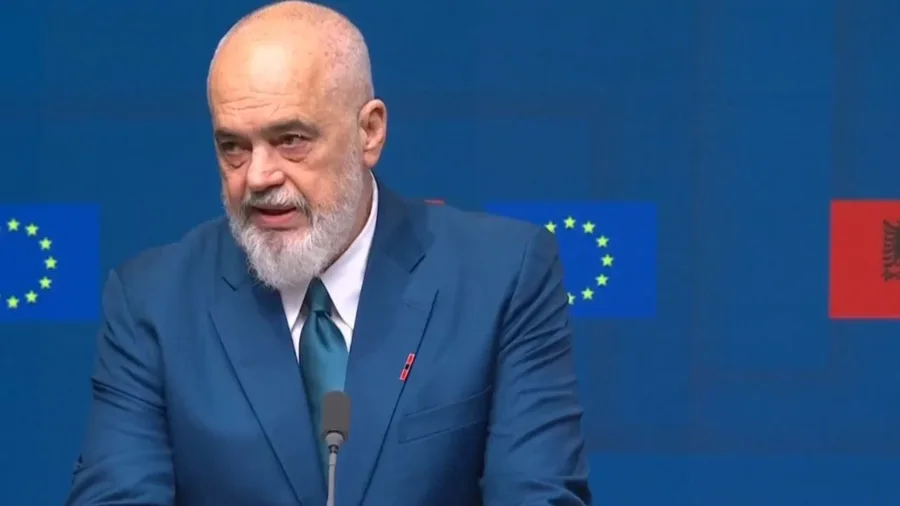
The two most advanced Western Balkan countries in the accession process are facing new tests of the rule of law and institutional balance...
Albania and Montenegro are currently at the most advanced stage of the European Union enlargement process in the Western Balkans. However, their progress is not accompanied by an equally clear and indisputable picture of institutional consolidation. In Montenegro, the acceleration of the path to membership coexists with strong political clashes over control of the security sector, as well as reservations regarding the compatibility of some important legislative choices with the EU acquis.
In Albania, the European trajectory is no longer being tested only by general accusations of political centralization, but more concretely, a test is being conducted for the functional independence of SPAK, for the stance of the parliamentary majority, and for the real implementation of the rule of law when investigations reach the highest levels of political power.
The EU continues to support and monitor developments, but often in a way that seems more technical than politically restraining. This is where the main challenge for Brussels emerges: not only to keep the enlargement process alive, but also to convince that the rule of law remains an essential criterion and not a flexible variable of geopolitical calculations .
Albania and Montenegro are increasingly emerging as the two Western Balkan countries closest to the next important stage of European Union membership. For Brussels, this picture has a clear political value: enlargement remains active, the EU's influence in the region is not in retreat, and the process continues to produce tangible progress.
However, behind this positive narrative lies a more difficult question, one that is not so much about the speed of negotiations as about their quality. The key issue is whether the acceleration of the path to membership is accompanied by equally credible progress in the rule of law, institutional balance and the sustainability of democratic institutions. This question becomes even more urgent at a time when the European Union needs to demonstrate that it applies the same criteria with the same political rigor across the region.
Në Mal të Zi, kontradikta është bërë gjithnjë e më e dukshme. Vendi mbetet kandidati më i avancuar në rajon dhe Komisioni Evropian vazhdon ta shohë si rastin më të pjekur të negociatave në Ballkanin Perëndimor. Në vitin 2024, Mali i Zi u konfirmua se kishte përmbushur kriteret e ndërmjetme për Kapitujt 23 dhe 24, duke hapur një fazë të re të procesit të anëtarësimit. Vlerësimet e mëvonshme evropiane kanë vazhduar ta paraqesin Podgoricën si rastin më të avancuar në rajon. Megjithatë, ky përparim institucional bashkëjeton me një realitet të brendshëm shumë më të tensionuar. Debati i fortë politik rreth ndryshimeve në ligjin për Agjencinë Kombëtare të Sigurisë dhe në ligjin për Ministrinë e Brendshme ka hapur një diskutim më të gjerë mbi kufijtë e pushtetit shtetëror, mbrojtjen e të dhënave personale dhe balancën midis sigurisë dhe të drejtave themelore. Zyrtarët evropianë kanë shprehur rezerva për përputhshmërinë e disa dispozitave me acquis të BE-së, veçanërisht në fushën e mbrojtjes së të dhënave, ndërsa në planin e brendshëm janë shtuar paralajmërimet se drejtimi i këtyre ndryshimeve mund të forcojë një mekanizëm më të centralizuar kontrolli, thuhet në një artikull të medias të mbështetur nga Brukseli.
Pikërisht këtu shfaqet thelbi i problemit. Çështja nuk është thjesht se një qeveri përballet me akuza të forta politike nga opozita, përplasje të tilla janë të zakonshme në një mjedis politik të polarizuar në Ballkan. Ajo që ka më shumë rëndësi është fakti se, edhe kur shprehen rezerva evropiane për iniciativa konkrete legjislative, rruga drejt anëtarësimit nuk duket të gjenerojë menjëherë kosto politike të dukshme për qeveritë. Me fjalë të tjera, kushtëzimi i BE-së vazhdon të funksionojë, por shpesh më shumë si një mekanizëm teknik dhe procedural sesa si një instrument rreptësisht frenues. Kjo nuk e mohon përparimin e Malit të Zi. Megjithatë, sugjeron se avancimi institucional mund të bashkëjetojë me dyshime serioze për mënyrën se si ushtrohet pushteti shtetëror në planin e brendshëm. Ky vlerësim reflekton një analizë gazetareske të tablosë më të gjerë që del nga vlerësimet evropiane dhe përplasjet politike në vend.
Në Shqipëri, tabloja është e ndryshme në formë, por e ngjashme në thelb. Qeveria e Edi Ramës vazhdon të shihet në Bruksel si një bashkëbisedues kyç në një vend që ka investuar politikisht dhe institucionalisht në reformën në drejtësi.
Më 3 dhe 4 mars 2026, gjatë mbledhjes së 17-të të Nënkomitetit BE–Shqipëri për Drejtësinë, Lirinë dhe Sigurinë, Komisioni Evropian diskutoi me autoritetet shqiptare zhvillimet në sundimin e ligjit, të drejtat themelore, korrupsionin, krimin e organizuar dhe sigurinë. Kjo konfirmon se mbikëqyrja evropiane mbetet aktive dhe e detajuar. Në të njëjtën kohë, megjithatë, peizazhi politik shqiptar sugjeron se reforma në drejtësi nuk gjykohet më vetëm nga arkitektura e saj institucionale, por gjithnjë e më shumë nga fakti nëse ajo zbatohet pa përjashtime politike kur presioni arrin në qendër të pushtetit politik.
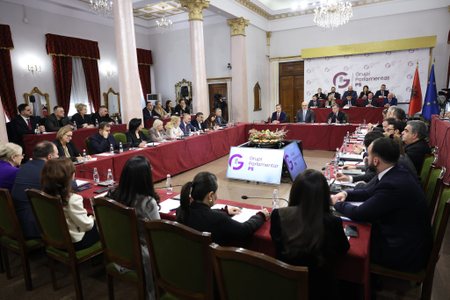
Rasti i Belinda Ballukut e çon diskutimin pikërisht në këtë terren më kërkues. Edi Rama mblodhi grupin parlamentar të Partisë Socialiste për të shqyrtuar kërkesën e SPAK-ut për vendosjen e kufizimeve ndaj lirisë së Belinda Ballukut, ndërsa Ulsi Manja paraqiti qëndrimin e shumicës përpara Këshillit për Mandatet. Argumenti kryesor i qeverisë ishte se, pas ndryshimeve të fundit në kabinet, Balluku nuk mban më përgjegjësi në Këshillin e Ministrave, çka do të thotë se një pjesë e arsyetimit ligjor për masat personale humbet bazën e saj të menjëhershme. Nga ana tjetër, opozita mbështeti kërkesën e SPAK-ut, ndërsa raportet e shumicës dhe të opozitës iu referuan votimit në parlament. Fakti që Balluku është dërguar tashmë nga SPAK për gjykim me akuzën për shkelje të barazisë në tendera publikë i jep çështjes një peshë të qartë institucionale.
Në këtë kuptim, çështja qendrore nuk është thjesht nëse qeveria përpiqet të absorbojë goditje politike. Pyetja reale është nëse shumica shqiptare lejon që mekanizmat e përgjegjshmërisë të funksionojnë pa mbrojtje politike, veçanërisht kur hetimet arrijnë te figura të larta të qeverisë. Pikërisht në këtë pikë rasti merr një dimension evropian. Diskutimi nuk lidhet vetëm me figurën e Belinda Ballukut, por më gjerësisht me faktin nëse reforma në drejtësi në Shqipëri ka kaluar nga projektimi legjislativ drejt zbatimit real institucional. Për këtë arsye, përparimi i Shqipërisë në procesin e anëtarësimit nuk do të gjykohet vetëm nga hapja ose mbyllja e kapitujve të negociatave, por edhe nga fakti nëse raste të tilla procedojnë pa përjashtime në zbatimin e ligjit. Ky përfundim përfaqëson një vlerësim analitik të dokumentuar, i bazuar në faktet institucionale publike që lidhen me këtë çështje.
When Albania and Montenegro are analyzed together, a common pattern becomes apparent behind national differences. In Montenegro, progress in the negotiation chapters coexists with strong political clashes over control of the security sector and with legislative initiatives that raise questions about their compliance with European standards. In Albania, European progress is accompanied by an increasingly intense debate about whether accountability institutions can operate without hindrance when investigations reach the highest levels of political power. The common denominator is that the European Union continues to invest politically in the progress of both countries, without turning any institutional deviation or serious warning into a tangible political obstacle to the accession process. This is the main trend currently emerging in the two most advanced enlargement paths in the Western Balkans.
At this point, Serbia inevitably becomes part of the comparison, not as a side note, but as a test of the coherence of the European Union's enlargement policy itself. Serbia under Aleksandar Vučić has faced repeated criticism for pressure on the judiciary, concerns about media freedom, and broader problems related to the functioning of democratic institutions.
The European Commission itself, in its 2025 Rule of Law Report, noted that political pressure on the judiciary and prosecution bodies remains considerable. In 2026, the debate intensified further when controversial justice reforms were linked to the review of €1.6 billion in funding for the country. This shows that the EU is not passive in its approach to Serbia. However, this does not fully resolve the issue of equal treatment. While Serbia faces stronger public scrutiny, Albania and Montenegro continue to operate in a more favourable political atmosphere, although in both cases there are serious indications of institutional tensions.
This is perhaps the most subtle, but also the most essential, conclusion. The question is not whether Albania and Montenegro “deserve” to be further along in the accession process; based on their trajectory so far, the answer could reasonably be positive.
The more fundamental question lies elsewhere: whether enlargement continues to function primarily as a process of profound institutional transformation, or whether it is gradually evolving towards a form of geopolitical management, where the application of the principles of the rule of law is interpreted with varying political intensity depending on the utility, stability or geostrategic weight of each candidate country.
As this perception spreads, the credibility of EU conditionality will be increasingly tested not only in official documents, but also in the political consciousness of the Western Balkans itself. / Pamphlet /



I REGULLON FURCAT DHE DHURATAT PER BRUKSELIN BOJAXHIU FERID QE KA LIND PER TE BE TE BARDHEN TE ZEZE DHE PER TE MAR ATE QE DO KETE KA BE GJITHE JETEM, PA PYT PER METODAT E MJETET E PISTA PRANDAJ KA QEN TEK ATO DETYRA E KA TREGU VETEN