


 Shkruar nga Pamfleti
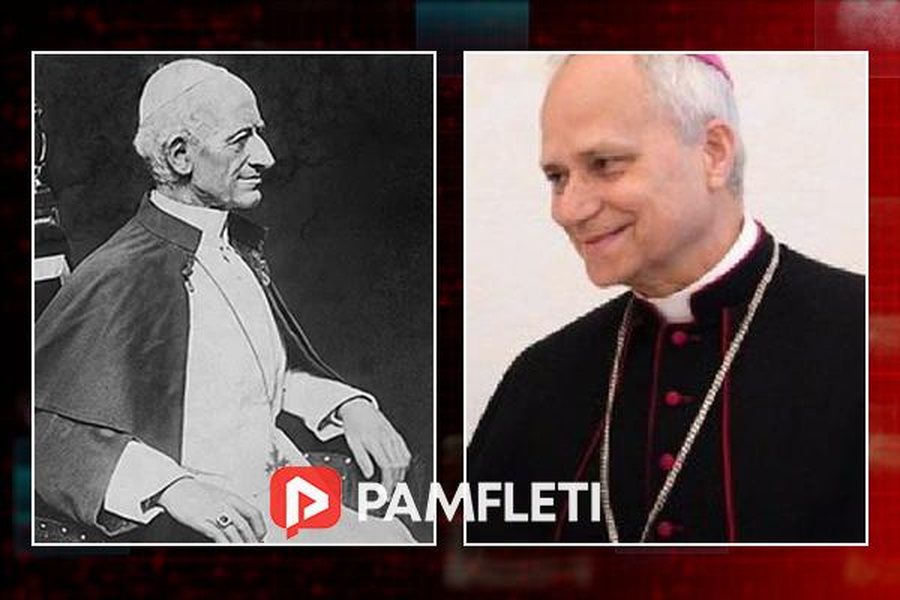
Leo XIII overthrew obscurantism with "Rerum Novarum", Leo XIV challenges conservatism with social and inclusive messages
The Catholic Papacy, in its hundreds of years of existence, has had dark periods and eras of reform. Two figures with the same name, Leo XIII and Leo XIV, share a symbolic and ideological burden: to resurrect the Church from darkness and place it on the side of the people.
Leo XIII: The Pope Who Proclaimed the End of Obscurantism
Known as the Pope of Social Doctrine, Leo XIII (1810–1903) is the figure who gave the Church a major ideological turn. With the historic encyclical "Rerum Novarum" (1891), he addressed the rights of workers, the need for social protection, and criticized obscurantist theses that opposed the Enlightenment and socio-economic progress.
Leo XIII created the foundations of modern social Catholicism, removing the Church's cloak of aristocratic elitism and bringing it closer to the masses of the people, especially the industrial proletariat.
Leo XIV: An American who breaks stereotypes
The election of American Cardinal Robert Francis Prevost as Pope Leo XIV marks not only a historic moment for his origins, but also a signal that the Church is seeking to reinterpret itself. The new pope, with missionary experience in Peru and a career in the Curia, appears as a successor to the reformist spirit of Pope Francis, but with deeper social nuances.
In his first speech, he clearly emphasized that the Church must be close to the poor, the young and the excluded. He presented himself as a Pope of peace, unity and dialogue, rejecting polarizing and exclusivist rhetoric.
Two Leos, two eras, one vision
Both Popes, regardless of time and context, have a common axis: the moral and socio-political reform of the Church. Leo XIII faced rampant industrialization and unbridled capitalism, while Leo XIV is entering the scene into a world tired of authoritarianism, corruption, and social indifference.
The papacy of Leo XIV can be seen as a continuation of the struggle begun by his ideological predecessor Leo XIII. He promised a humble Church, closer to the common man, and not tied to political power or wealth.
Importance for Albania and the region
A Pope with a social approach and a background outside of traditional Catholic Europe could bring a positive impact in countries like Albania, where religious coexistence, economic challenges and the need for social justice are essential. Pope Leo XIV's message resonates strongly in the Balkans as well, as a call for peace, equality and respect for human dignity./ Pamphlet






Lini një Përgjigje