


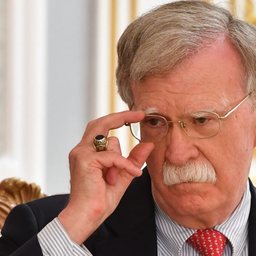
 Shkruar nga John Bolton

Negotiations are coming, largely because Trump wants the war to end. Europe is too tired and too incapable of charting a different course. So, considering these bleak scenarios, Ukraine and its backers may have little choice but to accept talks on unfavorable terms. For this very reason, Kiev should be very careful about what it agrees to with Trump.
During the 2024 election campaign, Republican candidate Donald Trump said he could resolve the conflict in Ukraine within 24 hours, bringing Vladimir Putin and Volodymyr Zelensky to a table to settle their differences.
Meanwhile, at a press conference on January 7th of this year, President-elect Trump admitted that it could take up to 6 months. Call it a lesson. Trump essentially wants the war to end. He has repeatedly said that it would never have happened if he had been president.
He has said the same thing about the ongoing conflict in the Middle East. Of course, these statements are neither provable nor refutable, but they reflect his inner feeling that wars are Biden's problem, and they should end with the latter's departure from office.
Of course, the war won’t end that quickly, but Trump’s comments strongly suggest that he is indifferent to the terms under which it will end. And that is likely to be very bad news for Ukraine, although it could be good news for Israel in its fight against Iran’s “ring of fire” strategy.
As Inauguration Day approaches, there is little publicly available information about what Trump will do. And because he has neither a coherent philosophy nor a strategic approach to foreign policy, what he says in the morning may not be implemented in the afternoon.
Therefore, those concerned about the security of Ukraine and the West should focus on what is negotiable with Moscow and what is not. Early decisions on the central elements of potential diplomacy could have far-reaching consequences, which the parties will inevitably try to turn to their advantage.
Ukraine, in particular, must make some important decisions about how it will proceed in the future. Because, while a ceasefire linked to the start of negotiations may be inevitable due to pressure from Trump, it is not necessarily in Ukraine's interest.
Komunikimi gjatë luftës, ishte një strategji e suksesshme e Partinë Komuniste Kineze në luftën e saj kundër nacionalistëve të Kuomintang, gjatë dhe pas Luftës së Dytë Botërore. Kjo qasje mund të funksionojë sot për Ukrainën në kushte të caktuara.
Çështja më e rëndësishme është dërgimi i vazhdueshëm i ndihmës ushtarake për Kievin, e cila është e diskutueshme me Trumpin sërish në krye të SHBA-së.
Por në përgjithësi, një armëpushim mund të jetë më i rrezikshëm për Ukrainën sesa për Rusinë.
Sa më gjatë të zgjasin negociatat, aq më shumë ka gjasa që linjat e armëpushimit të bëhen të përhershme, teksa një kufi i ri midis Ukrainës dhe Rusisë mund të dojë shumë kohë që të përcaktohet.
Ndërsa do të vazhdojnë negociatat, mungesa e armiqësive do të ofrojë mundësi për Moskën që të kërkojë lehtësim të plotë ose të paktën të pjesshëm të sanksioneve ekonomike, të cilat shumë evropianë duket se janë të gatshëm t’i pranojnë.
Për më tepër, pasi të ndalen luftimet, ato do ta kenë shumë më të vështirë politikisht që të rifillojnë, gjë që ka të ngjarë të jetë në disavantazh të Ukrainës. Edhe pse është e sigurt se Rusia do të fitonte një luftë me një afat të pacaktuar, edhe asaj i duhet gjithashtu kohë për të rindërtuar ushtrinë dhe ekonominë e saj të dobësuar.
Një armëpushim e ofron këtë mundësi, dhe i blen kohë Rusisë që të shërojë plagët e saj dhe të përgatitet për sulmin e ardhshëm. Rusia priti 8 vjet pas ofensivës së saj të vitit 2014, dhe ka sërish luksin të presë derisa Perëndimi të shpërqendrohet diku tjetër.
Le të supozojmë se Trump do të këmbëngulë për një armëpushim të menjëhershëm dhe negociata të njëkohshme. Në këtë rast, Ukraina duhet të jetë e kujdesshme që bisedimet të synojnë një zgjidhje të përhershme dhe jo një paqtim të përkohshëm.
Rusia do ta shohë çdo lloj marrëveshje si të përkohshme, pavarësisht se çfarë thotë publikisht. Vladimir Putin është i fiksuar pas ri-përfshirjes së Ukrainës në një perandori të re ruse, dhe çdo pjesë territori që Rusia arrin të rimarrë e afron përmbushjen e atij qëllimi.
Negocimi i “fundit” të luftës është në dobi të Kremlinit, për shkak se u jep përshtypjen e rreme perëndimorëve syleshë, se nuk ka ndonjë rrezik për agresion në të ardhmen.
Si çështja e armëpushimit ashtu edhe kohëzgjatja e çdo marrëveshjeje, ngre 2 pyetje të tjera: a duhet të ketë “paqeruajtës” përgjatë vijës së armëpushimit, dhe nëse Ukraina duhet të këmbëngulë tek “garancitë e sigurisë” nga Perëndimi (NATO apo të tjerë) kundër agresionit të ardhshëm të Rusisë?
Ruajtja e paqes është e ndërlikuar nga pikëpamja operacionale, dhe rrallëherë e suksesshme në ndonjë kuptim tjetër përveç ndihmës në zgjatjen e një ngërçi ushtarak. Ky është pothuajse rezultati uniform i paqeruajtjes së OKB-së.
Peacekeeping forces (such as UNIFIL in Lebanon or UNDOF in the Golan Heights) become part of the landscape in peace or war. The Security Council loses interest in resolving the underlying sources of conflict. Peacekeepers become irrelevant, as recent developments along the ceasefire line between Israel and Syria are showing.
In short, peacekeepers are essentially empty symbols. In fact, the admission of the UN's lack of effectiveness is likely to inspire calls for the deployment of NATO peacekeepers along the Ukraine-Russia line of control. But does anyone expect Russia to agree to this?
Will she suggest having peacekeepers from Iran or North Korea, alongside those from NATO? Moreover, there has been little discussion about what the modalities of engaging a peacekeeping force, whether deployed by the UN or NATO, would be.
Would those be the rules typical of UN operations, where peacekeepers can only use force in self-defense? Or would they be stronger, allowing them to use force in support of their mission? Really? In support of their mission, NATO peacekeepers would be allowed to use force against Russian troops?
What about Ukrainian troops? Under such circumstances, potential countries that would contribute troops would be very few. Unfortunately, the future security guarantees for Ukraine, which the latter is insisting on, are likely to be given in a face-to-face manner, and not seriously.
Russia has repeatedly stated that NATO membership - the only security guarantee that really matters - is a breach of the agreements. What about security guarantees from the European Union? Nothing can be said with certainty. What about security guarantees from individual countries?
Such was the approach of the Budapest Accords to return Soviet nuclear weapons to Russia. They didn't work out so well. In short, "security guarantees" are ugly words, but they carry no weight without the participation of the US and NATO, which Trump seems unlikely to accept.
Negotiations are coming, largely because Trump wants the war to end. Europe is too tired and too incapable of charting a different course. So, considering these bleak scenarios, Ukraine and its backers may have little choice but to accept talks on unfavorable terms. For this very reason, Kiev should be very careful about what it agrees to with Trump.
Note: John R. Bolton served as national security advisor to President Donald J. Trump during his first term.


Lini një Përgjigje