


 Shkruar nga Pamfleti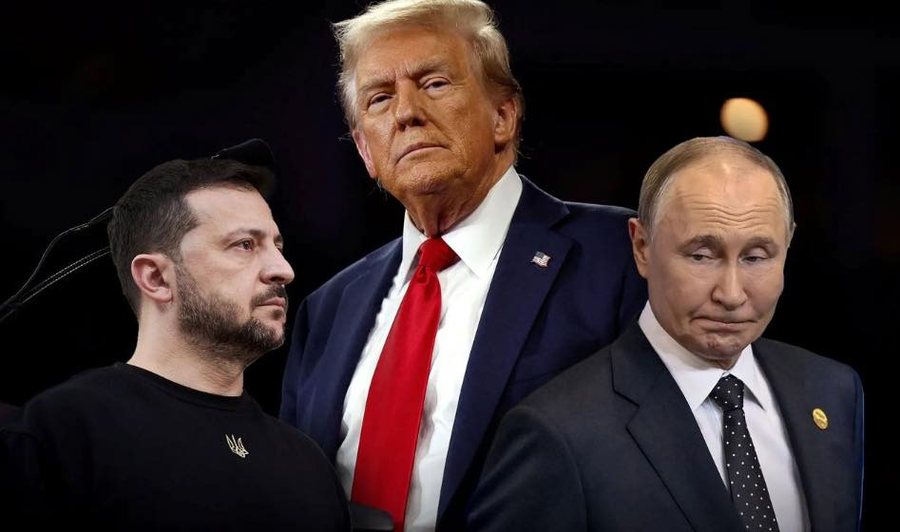
From Istanbul to the Vatican, how the Kremlin uses talks as a tactical weapon and why Europe is left alone in the face of silent aggression...
The truth behind the scenes: in mid-May in Istanbul, at another failed round of peace talks in Ukraine, Russia brought back to the stage a familiar figure, Vladimir Medinsky, the same one who in 2022 tried to impose capitulation terms as an “agreement.” But this time, the cynicism of the Russian delegation crossed the line: as Anne Applebaum writes, Medinsky dared to mock a Ukrainian delegate who had lost his nephew in the war. “Maybe you will lose others,” he said with cold irony. This is not peace. This is diplomatic violence.
After Istanbul, the idea of negotiations in the Vatican gained momentum, with the Holy See ready, Zelensky open, and Europeans motivated. But Lavrov shot down this possibility with a shameful pretext: “no negotiations between Orthodox on Catholic land.”
The truth? Moscow does not recognize Ukraine as an independent state; for them, it is a rebellious province that must be punished.
Putin, in fact, never intended to stop the war. He is prolonging the conflict with a clear goal: to buy time. His troops advance slowly, at a high cost; over 800,000 killed and wounded in three years. But nationalist rhetoric has intensified, the economy has been militarized, veterans are being turned into political soldiers. In this reality, peace for Putin is more dangerous than war itself.
Meanwhile, he won't hurt his "most precious friend": Donald Trump. The Kremlin has invested heavily in its relationship with the former US president, from Russian money in his casinos to cheers in the Russian Duma after his victory in 2016.
Trump, with his recent signals, the halting of aid to Ukraine, the resumption of diplomatic relations with Russia, the rhetoric of "walking away from a war that bothers me," has given Putin more than any weapon.
And Putin exploits this. He brings up the idea of negotiations, proposes “memorandums,” throws out messages, simply to allow Trump to appear as the “peacemaker” and further push Russian influence without resistance.
But in all this theater, Europe stands alone. Russia is moving troops to the border with Finland, and the Ukrainian army is today the strongest shield we have. Time does not wait. If we do not build a European defense union, with the involvement of Great Britain and with a clear political vision, we will find ourselves defenseless.
There is a window of opportunity: 300 billion euros frozen from Russian assets could be used to rebuild Ukraine and integrate it into a new Europe. But this requires courage and vision, qualities that neither Putin nor Trump possess for Europe. And perhaps, history will remember them as the “unwilling fathers” of a new European union./ Pamphlet


Lini një Përgjigje