


 Shkruar nga Pamfleti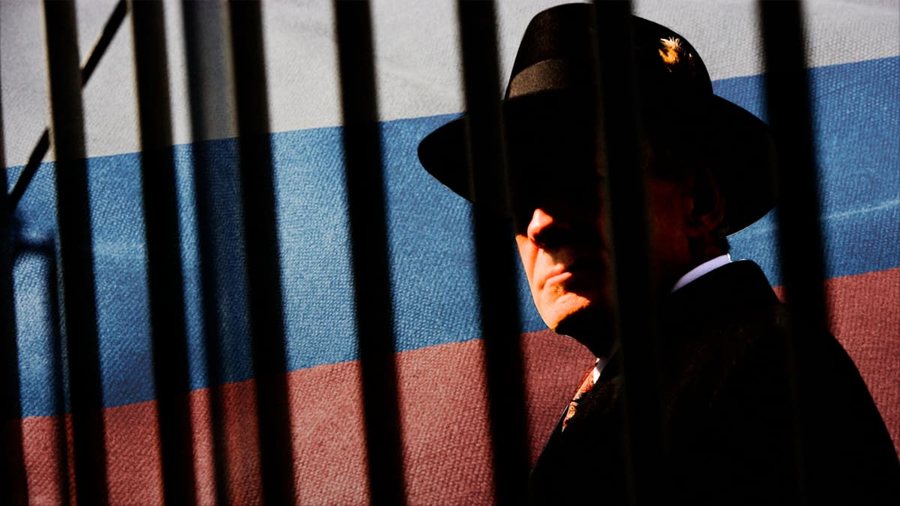
"The Western Balkans is part of the territory that they (the Russians) would like to dominate. Therefore, they are involved in disruption, in economic sabotage, they are involved in cyber attacks, because this is the way they operate, and, if they win in Ukraine, they will do much more damage in the future"...
Washington seems to have launched a real diplomatic and political offensive, to make known in the spaces of its alliance, the Russian infection in public opinion.
Yesterday, almost at the same time, there were strong developments in the political aspect. The American government has opened the "secret" files of the propaganda and psychological battle of Moscow after the outbreak of the war in Ukraine.
The largest and most prestigious newspaper in the USA, 'The New York Times', has published an investigative article with secret documents, where it emphasizes how Russia has rejected a peaceful solution after the conflict with Ukraine.
Meanwhile, in the Balkans, important representatives have been sent to show the Russian infection, not only in Serbia and Bosnia, but also in NATO allied territories, starting from Albania, Montenegro, North Macedonia, but also Kosovo.
Lord George Robertson, the former head of NATO, was in Kosovo yesterday to talk about this very danger.
"The Western Balkans is part of the territory that they (the Russians) would like to dominate. Therefore, they are involved in disruption, in economic sabotage, they are involved in cyber attacks, because this is the way they operate, and, if they win in Ukraine, they will do a lot more damage in the future," Lordi said. Robertson.
Meanwhile, in Tirana and Pristina, it is expected that soon, it will be revealed who the Moscow-financed nests are that boil in their propaganda.
In recent days, there have been many discussions with media people from various diplomats, to show in detail the Russian cores in the Western Balkans.
It is about a wide network, mainly media, where Russian propaganda is spread in a completely one-sided manner, without having an important debate with the two sides. A diplomatic source told 'Pamphlet' that there is nothing for the West to have a free confrontation of opinions about the war in Ukraine or the clash with Moscow.
But what is noticed both in Tirana and in Pristina, in some media outlets, only one side of the opinion is given, that is, the Philorus one.
So, for example, on a pro-government television, which is funded by people who import products from Serbia, they never tire of repeating Moscow's "reasons" for taking the eastern part of Ukraine, its "right", but also the so-called " military supercat. It is always the same person who circulates in the highest institutions of the country for over 25 years who brings this approach.
Por që është më e rëndësishmja është se nuk ka një përplasje të ndershme opinionesh. Ndaj në ditët që vijnë pritet të bëhen publike mediat dhe njerëzit që marrin para nga Moska.
Ndërkaq, ‘New York Times’, në një shkrim bombastik, dje bënte të ditur se ka qenë Rusia ajo që refuzoi një kompromis politik për Ukrainën.
Negociatat zgjatën të paktën dy muaj dhe përfunduan pa zgjidhje, por bisedimet atëherë ishin jashtëzakonisht të detajuara dhe preknin çështje që ende mbeten si shkëmbinj të mëdhenj që bllokojnë rrugën drejt paqes. Në thelb, Kievi synonte të mbante gjallë sovranitetin dhe pavarësinë e tij, ndërsa Moska donte ta reduktonte atë në një shtet vasal.
Në muajt në vijim, të dy palët fajësuan njëra-tjetrën për dështimin. Propaganda e Putinit gënjeu duke mohuar qëllimin fillestar për të mos synuar të pushtonte ushtarakisht të gjithë vendin dhe kryeqytetin e tij. Ukrainasit kanë pohuar gjithmonë se asnjë dokument nuk është nënshkruar apo miratuar, siç na e kanë përsëritur disa herë diplomatët evropianë në Ukrainë dhe këshilltarët më të afërt me Presidentin Zelensky. Putin më vonë pretendoi se ishin Joe Biden dhe Boris Johnson ata që e bindën Zelenskyn të mos nënshkruante, por kjo mohohet plotësisht nga ukrainasit dhe aleatët e tyre. Është gjithashtu e vërtetë se në atë kohë Zelensky, vetë, tha se ishte gati të "ngrijë" territoret e pushtuara në 2014 nga Rusia dhe milicitë e saj aleate pro-pavarësisë në Donbass dhe Krimesë për një periudhë që mund të zgjaste deri në 15 vjet.
Sot, të dy pozicionet mbeten më larg se kurrë, në çdo rast më larg se në shkurt-prill, dy vite më parë. Ukraina kërkon kthimin në kufijtë e vitit 1991, siç u shpreh edhe në samitin në Zvicër ditët e fundit, dhe nga ana tjetër propozimi i rinisur nga Putini për një "paqe të konsoliduar" që përfshin ndër të tjera pranimin ukrainas të aneksimit rus, nga katër rajonet e tij të pushtuara - Lugansk, Donetsk, Zaporizhzhia dhe Kherson - dhe madje edhe tërheqja e Ukrainës nga zonat e këtyre rajoneve ku ushtarët e saj ende rezistojnë, nxjerrin në pah se sa larg janë të dy armiqtë nga mundësia për të arritur ndonjë kompromis.
Dokumentet e publikuara nga gazeta amerikane – “të siguruara nga burime ukrainase, ruse dhe evropiane” - ndihmojnë për të kujtuar se në çdo rast ajo ishte periudha e vetme në të cilën të dy palët folën drejtpërdrejtë dhe pa ndërmjetës. Dhe kishte edhe marrëveshje të pjesshme. Për shembull, rusët fillimisht kërkuan që Kievi ta njohë Krimenë si territor rus, por në një draft të 15 prillit Moska ra dakord që kjo çështje të mos përmendej. Në draftin e një dokumenti tjetër, Ukraina premton të mos kërkojë anëtarësim në NATO dhe në të njëjtën kohë siguron që të mos vendosë asnjë kufizim në përdorimin e gjuhës ruse në territorin e saj.
“Ne kishim mundur të arrinim një kompromis të vërtetë. Nga mesi deri në fund të prillit 2022 ne ishim shumë afër një marrëveshjeje paqeje,” pranoi Oleksandr Chalyi, një nga negociatorët ukrainas, dhjetorin e kaluar.
One of the outstanding disputes concerned the firing range of Ukrainian missiles: Moscow demanded that it be limited to less than 50 kilometers, Kiev wanted about 360. But the most serious blockade was for guarantor countries: Kiev wanted this and in case of a new war, it would be defended by the USA, Great Britain, China, Russia and France. Moscow now sought to add the clause under which the guarantors' shield had to require their unanimity. This meant that if Russia invaded again and vetoed Allied intervention, she would have carte blanche. According to New York Times documents, it was this last clause that blocked negotiations and prompted the Ukrainians to abandon the agreement. To Kiev, it seemed like a giant trap: after withdrawing, after recognizing the legitimacy of the Russian occupation of part of its territory, and finally disarming, Ukraine was effectively left at Putin's mercy./ Pamphlet


Lini një Përgjigje