


 Shkruar nga Pamfleti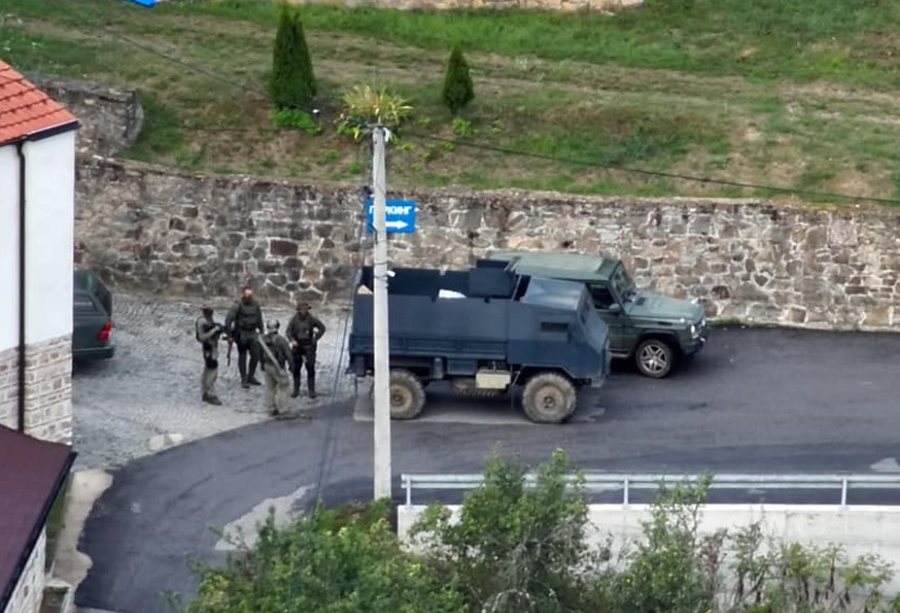
In the West there are fears of a revival of the 1998-1999 war in Kosovo that claimed more than 10,000 lives and left over 1 million homeless...
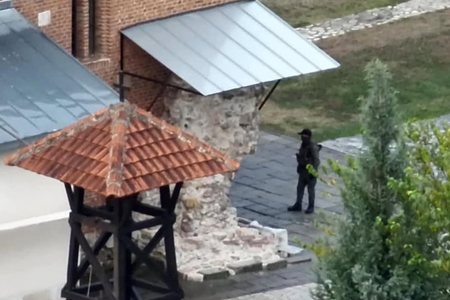
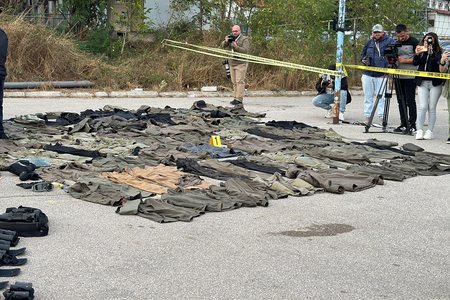
Tensions between Serbia and Kosovo flared again over the weekend when around 30 heavily armed Serbs took refuge in an Orthodox monastery in northern Kosovo, sparking a day-long standoff with police that left one officer and three attackers dead.
Sunday's clash was one of the worst since Kosovo declared independence from Serbia in 2008. It came as the European Union and the US are trying to broker and finalize years of talks to normalize ties between the two Balkan states.
In the West there are fears of a revival of the 1998-1999 war in Kosovo that claimed more than 10,000 lives and left over 1 million homeless.
The Prime Minister of Kosovo, Albin Kurti, accused Serbia of sending attackers to Kosovo. Serbian President Aleksandar Vucic denied this, saying that the men were Kosovo Serbs who had had enough of "Kurti's terror".
A look at the history between Serbia and Kosovo, and why recent tensions are a concern for Europe.
Why are Serbia and Kosovo in conflict?
The dispute over Kosovo is centuries old. Serbs value this area as central to their religion and citizenship. Many medieval Serbian Orthodox Christian monasteries are in Kosovo, and Serbian nationalists see a 1389 battle against the Ottoman Turks there as a symbol of their national struggle for independence.
Most of Kosovo's ethnic Albanians, most of whom are Muslim, meanwhile, see Kosovo as their country and accuse Serbia of occupying it and oppressing them for decades.
Ethnic Albanian rebels launched an uprising in 1998 to free the country from Serbian rule. Belgrade's brutal response prompted a NATO intervention in 1999, forcing Serbia to withdraw and hand over control to international peacekeepers.
There are still about 4,500 peacekeepers stationed in Kosovo, a poor country of about 1.7 million people with little industry and where crime and corruption are rampant.
Are tensions high now?
There are ongoing tensions between the Kosovo government and the ethnic Serb residents who live mainly in the north of Kosovo and who maintain close ties to Belgrade. Mitrovica, the main city in the north, is effectively divided into an ethnic Albanian part and a Serb-controlled part, and the two sides rarely mix. In the south of Kosovo there are also smaller enclaves populated by Serbs.
Government efforts to impose more control in the north are usually met with resistance, and the situation worsened earlier this year when Serbs boycotted local elections held in the north. They then tried to prevent the newly elected ethnic Albanian mayors from entering their offices.
About 30 NATO peacekeepers and more than 50 Serbian protesters were injured in the ensuing clashes.
Is there a connection with Russia and the war in Ukraine?
Long before Russian tanks rolled into Ukraine last year, Russian President Vladimir Putin cited the breakup of Yugoslavia to justify a possible invasion of a sovereign European country.
Putin, trupat e të cilit aneksuan ilegalisht Krimenë nga Ukraina në vitin 2014, ka argumentuar vazhdimisht se bombardimi i Serbisë nga NATO në vitin 1999 dhe njohja e Kosovës nga Perëndimi krijuan një precedent. Ai ka pohuar se lejon Rusinë të ndërhyjë në gadishullin strategjik të Ukrainës në Detin e Zi dhe në zonat me shumicë ruse në lindje të vendit.
Zyrtarët perëndimorë e kanë hedhur poshtë me forcë arsyetimin e Putinit, duke thënë se ndërhyrja e NATO-s në Kosovë u shkaktua nga vrasjet masive dhe krimet e tjera të luftës të kryera nga trupat serbe kundër shqiptarëve etnikë. Ky nuk ishte rasti në Ukrainë përpara pushtimit të plotë të Rusisë.
Në Perëndim ka frikë se Rusia, duke vepruar përmes aleatit të saj Serbisë, po përpiqet të destabilizojë Ballkanin dhe kështu të zhvendosë të paktën njëfarë vëmendjeje nga agresioni i saj ndaj Ukrainës.
Çfarë është bërë për zgjidhjen e mosmarrëveshjes?
Ka pasur përpjekje të vazhdueshme ndërkombëtare për të gjetur gjuhën e përbashkët midis dy ish-armiqve të luftës, por asnjë marrëveshje gjithëpërfshirëse nuk ka dalë deri më tani. Zyrtarët e Bashkimit Evropian dhe të SHBA-së kanë ndërmjetësuar negociatat për normalizimin e marrëdhënieve ndërmjet Serbisë dhe Kosovës që nga viti 2012.
Negociatat kanë çuar në rezultate në disa fusha, si liria e lëvizjes pa postblloqe dhe krijimi i forcave policore multietnike në Kosovë. Megjithatë, kjo e fundit u prish kur serbët u tërhoqën nga forca vitin e kaluar për të protestuar kundër vendimit të Prishtinës për të ndaluar targat e automjeteve të lëshuara nga Serbia.
Pas presionit ndërkombëtar, Kurti, kryeministri i Kosovës, e pezulloi dekretin por kjo nuk i ktheu serbët në institucionet e Kosovës.
Duke shtuar vështirësinë për të gjetur një zgjidhje, Kosova dhe Serbia kanë të dyja liderë nacionalistë. Kurti është akuzuar shpesh nga ndërmjetësit ndërkombëtarë për lëvizje që shkaktojnë tensione të panevojshme.
Vuçiç, ndërkohë, është një ish-ultra-nacionalist që këmbëngul se Serbia nuk do ta njohë kurrë Kosovën dhe këmbëngul se një marrëveshje e mëparshme për t'u dhënë serbëve të Kosovës një nivel pavarësie duhet së pari të zbatohet përpara se të bëhen marrëveshje të reja. Vuçiç e ka pranuar në heshtje humbjen e kontrollit të Serbisë mbi Kosovën, por gjithashtu thotë se vendi nuk do të vendoset nëse nuk fiton diçka.
Çfarë ndodh më pas?
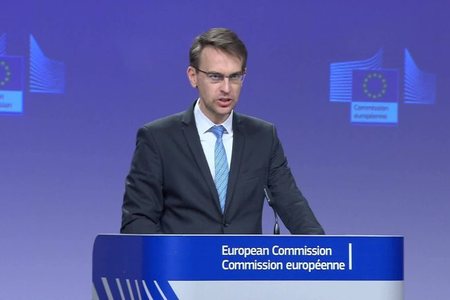
International officials still hope that Kosovo and Serbia can reach an agreement that would allow Kosovo to get a seat at the United Nations without the need for Serbia to explicitly recognize its citizenship. Both countries must normalize ties if they are to progress towards EU membership.
No progress in the EU-brokered negotiations would mean prolonged instability, economic decline and the continued potential for conflict. Any Serbian military intervention in Kosovo would mean a clash with NATO peacekeepers there, and Serbia is unlikely to enter unless it gains some sort of Russian support. / Adapted "Pamphlet" from "Associated Press"


Lini një Përgjigje