


 Shkruar nga Pamfleti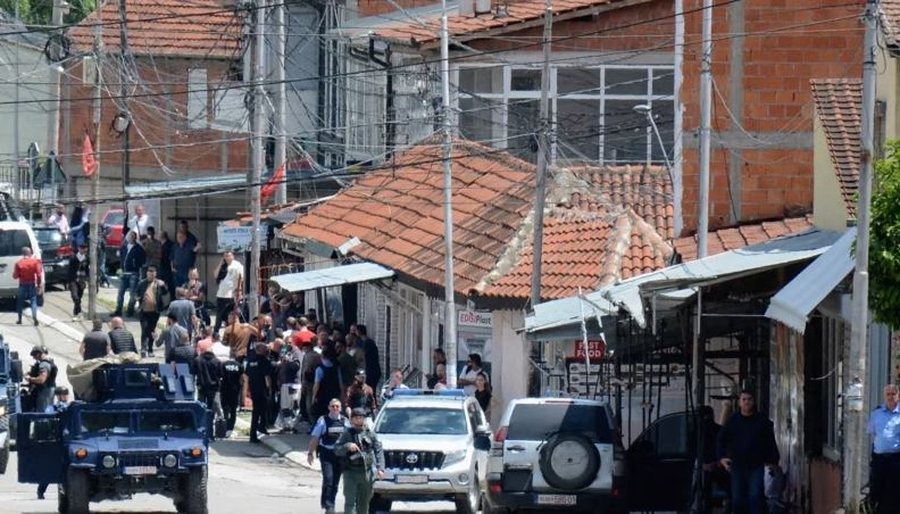
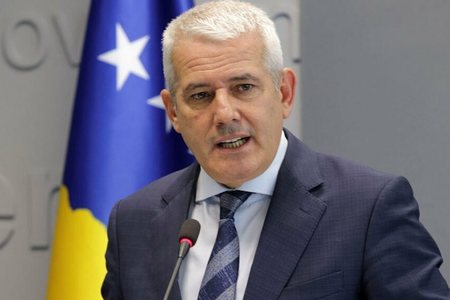
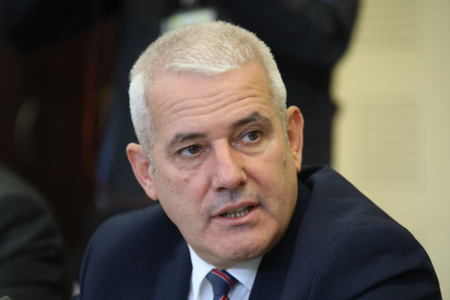
The raid of a house in Zveçan - a municipality inhabited by a majority of Serbs in the north of Kosovo - resulted in the finding of "a large amount of weaponry", the Minister of Internal Affairs of Kosovo, Xhelal Sveçla, announced on Tuesday.
He said that the raided house was used "for the collection and distribution of weapons for Serbian criminal groups".
According to him, the police found there "automatic weapons, cartridges, hand grenades and explosives".
The Deputy Director of the Kosovo Police for the North Region, Veton Elshani, told Radio Free Europe that suspicions about the house in question were raised after receiving information from some local citizens.
"We had the information that in a house, which is used as a secondary object and not a residential house, there are weapons and ammunition and explosive devices. We went, raided and found several Kalashnikovs, several hand grenades, explosives, cartridges, magazines and other equipment," said Elshani.
In the same municipality, in August, the police carried out a similar action, during which they confiscated over 1,200 cartridges.
On June 23, near the municipal building in Zveçan, another amount of weapons was seized in "a car with Belgrade license plates", as Minister Sveçla said at the time.
According to him, it would serve to "carry out terrorist attacks against the citizens and institutions of the Republic of Kosovo".
His announcement about the newly discovered amount of weapons came just one day after the president of Kosovo, Vjosa Osmani, said that "Serbia is constantly bringing weapons into Kosovo, illegally."
Osmani also said that Serbia is aiming to implement a destabilizing plan in the Western Balkans, similar to, as he said, what Russia carried out in Ukraine in 2014.
She made the statements during a visit to Albania on September 4, but did not present any evidence to support her claims.
"There is not a week that goes by that someone from Serbia does not shoot Kosovo policemen who are in Kosovo territory," she said.
Radio Free Europe addressed the Office of the President of Kosovo with the question of what is the basis for the president's arguments, regarding a plan by Serbia to destabilize the Western Balkans, but, until the conclusion of this article, he did not receive an answer.
The director of the Office for Kosovo in the Government of Serbia, Petar Petkovic, said through a statement to the media that President Osmani's statements are "useless", while he described Serbia's policy as "responsible" and "peace-making".
"Forced statements"
Mentor Vrajolli, executive director of the Kosovo Center for Security Studies, tells Radio Free Europe that President Osmani's statement regarding a destabilizing plan for the Western Balkans may be "forced" to attract attention of the West towards developments in the region.
But, although the president has not yet provided any tangible facts regarding her statement, it coincides with reality, he adds.
"Ultimately, Serbia is a destabilizing actor in the region. It is not only a destabilizing [actor] in Kosovo, but it has been proven that it is also destabilizing in other countries of the Western Balkans. A destabilizing trend has been observed that has had a negative impact on Montenegro. Earlier, there were tendencies to make a kind of coup even in [North] Macedonia. Serbia's destabilizing influence has already been proven and I think that, continuously, it is present, more than it has been talked about in public", Vrajolli assesses.
The expert on security issues, Verolub Petronić, from the Humanitarian Center in Mitrovica, also describes President Osmani's statements as forced.
Ai nuk beson se shteti i Serbisë fut armatim në veri të Kosovë, në mënyrë të organizuar.
“Nëse dikush do të blejë armë, ai më parë do ta blejë në Kosovë, sesa ta sjellë nga Serbia. Ekzistojnë kontrolle rigoroze të policisë kufitare dhe mendoj se nuk ka gjasa të kalojë dikush. Mendoj se dikush mund të sjellë një ose dy pushkë, por një sasi më të madhe, më serioze të armëve, është vështirë ta përbirosh pa u ditur, sepse AKI-ja [Agjencia e Kosovës për Inteligjencë] ka rrjet të informatorëve mjaft mirë të shtrirë në veri, madje edhe në mesin e serbëve”, thotë Petroniq për Radion Evropa e Lirë.
Incidentet në veri
Radio Evropa e Lirë pyeti Policinë e Kosovës për të shtënat nga territori i Serbisë në drejtim të pjesëtarëve të Policisë së Kosovës – të ngritura si çështje nga presidentja Osmani – por ky institucion sugjeroi REL-in që t’iu referohet raporteve të përditshme policore.
Raportet e tilla, gjatë këtij viti, nuk përmendin raste të të shtënave nga territori i Serbisë në drejtim të Policisë së Kosovës.
Një incident ka ndodhur më 14 qershor, kur forcat e Serbisë kanë arrestuar tre policë të Kosovës. Sipas autoriteteve në Prishtinë, ata janë “rrëmbyer” në territorin e Kosovës, por zyrtarët në Beograd kanë thënë se ata janë kapur në territorin e tyre.
Tre policët, ndërkohë, janë liruar për t’u mbrojtur në liri për “armëmbajtje pa leje” – vepër me të cilën i ka ngarkuar Serbia.
Sipas raportimeve të fundit të Policisë së Kosovës, brenda territorit të Kosovës, më 11 gusht, ka pasur të shtëna me armë zjarri në Zubin Potok. Incidenti ka ndodhur derisa policia po kryente një operacion për ndalimin e pesë personave të dyshuar për kontrabandim të mallrave jolegale. Të gjithë ata u arrestuan.
Sulme ndaj pjesëtarëve të Policisë së Kosovës në veri ka pasur në disa raste qysh në fund të majit.
Në atë kohë ka nisur edhe rritja e tensioneve në zonë, pasi kryetarët shqiptarë të komunave me shumicë serbe kanë marrë detyrën, përkundër revoltës së banorëve lokalë serbë.
Çfarë thotë komuniteti ndërkombëtar?
Radio Evropa e Lirë pyeti Departamentin amerikan të Shtetit nëse është në dijeni për ndonjë plan për destabilizimin e Ballkanit Perëndimor, të pretenduar nga presidentja e Kosovës, Vjosa Osmani.
Në përgjigje, DASH-i nuk specifikoi të jetë në dijeni për një gjë të tillë, por një zëdhënëse e tij tha se Shtetet e Bashkuara të Amerikës “e mbështesin plotësisht dialogun e ndërmjetësuar nga BE-ja mes Kosovës dhe Serbisë, që ka për qëllim arritjen e një marrëveshjeje gjithëpërfshirëse të normalizimit”, e që “SHBA-ja beson se duhet ta ketë në qendër njohjen eventuale të ndërsjellë”.
Sipas kësaj zëdhënëseje, angazhimi konstruktiv dhe tentimet e sinqerta të mirëbesimit nga Kosova, por edhe nga Serbia, “do të sillnin përfitime afatgjate për qytetarët”, përfshirë rritjen ekonomike, dhe “do të siguronin stabilitet rajonal afatgjatë”.
"We want to see progress in the implementation of past dialogue agreements, including Kosovo's obligation to establish the Association of Serb-majority municipalities. It is our position that all past agreements, reached within the framework of the dialogue mediated by the EU, will be implemented", said the DASH spokeswoman.
"Dialogue and compromise are very important. They are not signs of weakness, both are essential to reach an agreement on the normalization of relations, which is supported internally, which remains extremely important for the realization of the aspirations of both countries in the EU", she added.
About President Osmani's claims, Radio Evropa e Lire also asked the NATO peacekeeping mission in Kosovo, KFOR, and the European Union, but, until the publication of this article, did not receive an answer./REL



Lini një Përgjigje