


 Shkruar nga Pamfleti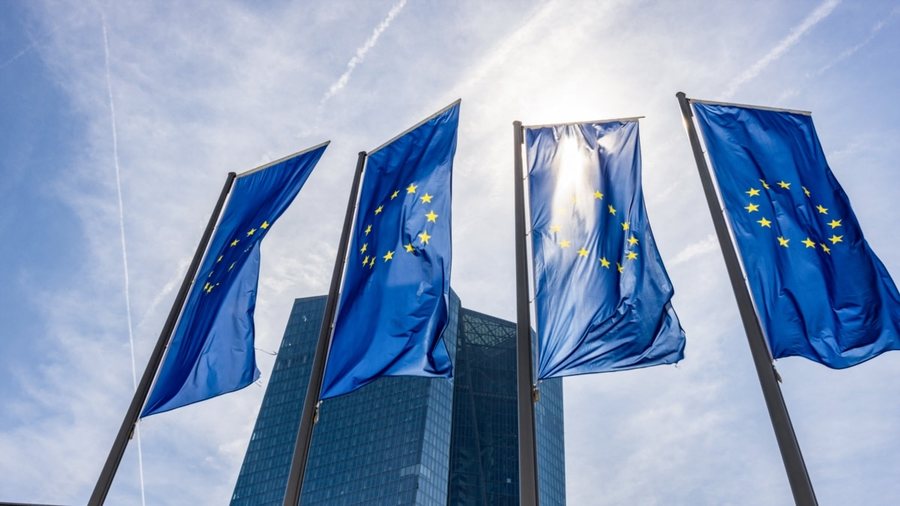
The European bloc has welcomed the decision of the Government of Kosovo to reduce the presence of the police in and around the municipalities in the north of Kosovo, inhabited by a majority of Serbs.
During a press conference, the EU spokesman, Peter Stano, however, said that other steps are needed that would lead to further escalation of the situation in the north, including holding new elections.
"These are important steps in the right direction, but more steps are needed. As with everything in dialogue, the timelines are not in our hands. Time limits depend on the ability of the parties to fulfill the necessary requirements, criteria or commitments. In order to alleviate the current crisis, we have said very often, early elections should be held as soon as possible in all four municipalities. They should be organized comprehensively. This means the full and unconditional participation of Kosovo Serbs", said Stano.
Stano said that for the European bloc, as mediator of the dialogue between Kosovo and Serbia for the normalization of relations, it is very important that this process be restarted, so that the parties can address important issues.
"And the most important issues are the Ohrid Agreement and its Annex", said Stano, referring to the agreement reached in Brussels in February, and its annex reached in Ohrid a month later. This agreement aims to push the parties towards the complete normalization of relations.
On July 10, Kosovo and the European Union agreed on several steps to de-escalate the situation, including reducing the police presence and organizing new elections in the four northern municipalities.
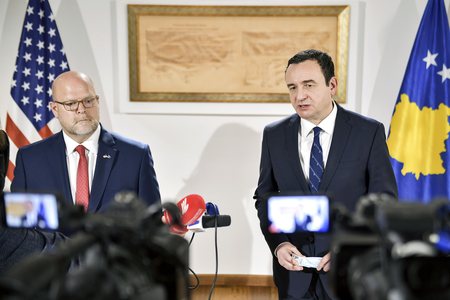
However, the prime minister of Kosovo, Albin Kurti, has declared that the new elections in the north cannot be held without the full extension of the situation.
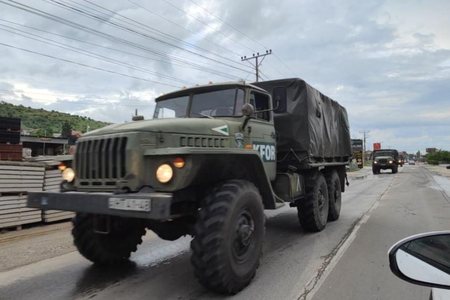
Tensions in the north increased in May of this year, after the new Albanian mayors, under the escort of the Kosovo Police, entered the municipal buildings.
Local Serbs oppose the new mayors, who emerged from the April elections, which were boycotted by Serbian parties and Serbian residents.
The European Union and the United States have repeatedly asked Kosovo to escalate the situation, by withdrawing the police and for mayors not to work from municipal buildings. Serbia has been asked to encourage Serbs to participate in the new elections.
As a consequence of the non-fulfillment of the requirements, the EU is implementing some punitive measures against Kosovo, which it has said it will remove when Pristina meets the demands of Brussels. /REL


Lini një Përgjigje