


 Shkruar nga Pamfleti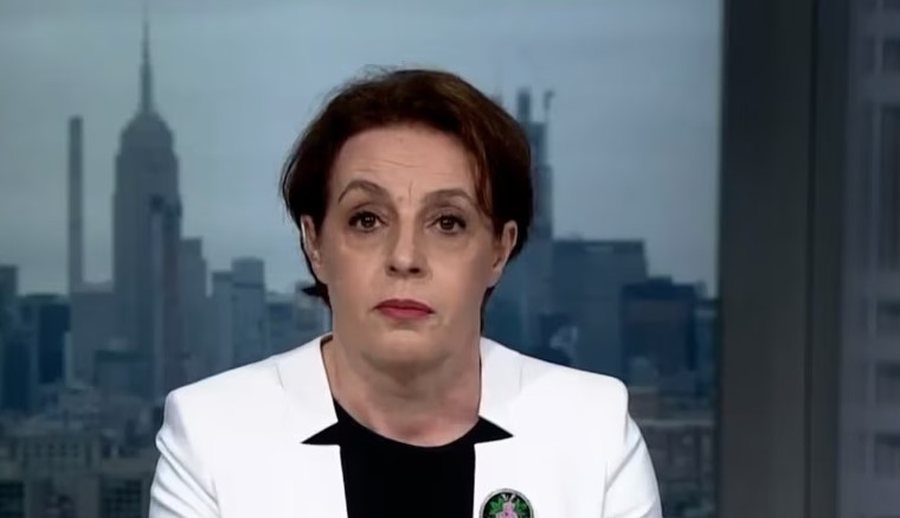
Kosovo's Foreign Minister Donika Gërvalla said that Kosovo's relationship with the United States is very good, despite the fact that they do not fully agree on some topics.
While American diplomats have expressed that the lack of coordination on the issue of the use of the dinar has damaged the partnership with the government of Kosovo, Mrs. Gërvalla said that "there are some topics where we do not agree 100 percent in the technical aspect", adding that "the questioning of relations between Kosovo and the United States of America has never happened".
"If everything we do in Brussels under the mediation of our European partners has an expiration date until Serbia withdraws, then we have to ask ourselves how much time it is worth to spend so much time in Brussels for an agreement that in the end , they do not oblige Serbia to adhere to them", she said.
Regarding the possibility of Montenegro voting against Kosovo's membership in the Council of Europe, Ms. Gërvalla said that "it would naturally be a serious setback in our bilateral relations, therefore I do not believe that Montenegro will take a decision like that".
Ms. Gërvalla, the report on Kosovo is expected to be discussed tomorrow at the meeting of the Committee for Politics and Democracy of the Parliamentary Assembly of the Council of Europe. What are your expectations?
Donika Gërvalla: We think that if the necessary quorum is created tomorrow to deal with the request for Kosovo, then we think that such a request, that is, the report, can be approved. And let me state today that rarely in the history of membership after 1990 in the Council of Europe has any country been so prepared to join the Council of Europe. We have acted together with all the mechanisms of the Council of Europe, the report is positive, all the homework has been done, therefore we expect that during March, during April and also during May we will have movements in this direction.
Ms. Gërvalla, however, Montenegrin officials from the ranks of the pro-Serbian People's Democratic Party hinted that their delegation will vote against Kosovo's membership in the Council of Europe, even though the country recognizes Kosovo's independence. Are you afraid of the vote in the Parliamentary Assembly in April or in the Council of Ministers in the May meeting?
Donika Gërvalla: The vote for Kosovo's membership that will be given by the Parliamentary Assembly of the Council of Europe will be a massive positive vote for Kosovo, at least that's what all the conversations we've had so far tell us, while as for Montenegro, we have good relations with Montenegro and I don't believe that our neighboring countries would have to vote against it, but we will have to see in the next few days.
Kosovo's membership or non-membership will not depend on Montenegro's vote, but it would naturally be a serious setback in our bilateral relations, so I do not believe that Montenegro will make such a decision.
You said earlier that you did your homework. The closure of the Deçan Monastery property issue fulfilled one of the criteria that was directly related to your request to join the Council of Europe. But American diplomats said that other issues such as the Association of Serbian-majority municipalities could affect this process. Could this issue appear as an obstacle in your way?
Donika Gërvalla: The report of the Council of Europe states very clearly that Kosovo fulfills all the highest standards of democracy, protection of human rights, protection of the rights of non-majority communities, the rule of law and others that are criteria to join the Council of Europe. Only the implementation by the institutions of a decision of the Constitutional Court of Kosovo remained open, a topic that has been resolved in the meantime, and the creation of additional conditions, i.e. the addition of conditions that were not foreseen in the report, would be an approach very unfair to our request, that's why I don't believe it's going to happen.
A day ago, the delegations of Kosovo and Serbia met for the second time in Brussels, but without finding a solution regarding the financial support of the Kosovo Serbs from Belgrade after the decision of the Central Bank that determines that only currency can be used for cash payments. euro in Kosovo. What are the chances of reaching an agreement?
Donika Gërvalla: Ndërkohë që duhet konstatuar që nuk asnjë dyshim që euro është e vetmja monedhë që vlen në Kosovë, sipas parimit të të gjitha shteteve demokratike ku vlen ‘një shtet – një valutë’, kemi konstatuar që mund të ketë ndonjë problem aty-këtu për ndonjërin nga qytetarët tanë që duhet të kërkoj zgjidhje. Mirëpo, mos të harrojmë se kemi që nga viti 2011 që diskutojmë me Serbinë në Bruksel rreth institucioneve ilegale edhe rreth shpërbërjes së tyre, që ka qenë një premtim i qeverisë së atëhershme serbe në vitin 2013. Një shpërbërje e tillë e tërësishme nuk ka ndodhur deri tani, prandaj edhe ende jemi duke diskutuar tema të vjetra. Ne me Serbinë jemi marrë vesh në Bruksel duke pranuar të dyja palët atë që në fillim quhej propozimi franko-gjerman e më pas u bë propozimi i BE-së, i cili rezultoi në marrëveshjen e 27 shkurtit të vitit të kaluar. Në si Kosovë kemi qenë e gatshme ta nënshkruajmë menjëherë në Bruksel. Serbia ka refuzuar. Sot, fatkeqësisht nuk jemi në gjendje të themi kemi apo nuk kemi marrëveshje ligjërisht të obligueshme për të dyja palët, për shkak se kemi mbetur e vetmja palë, pra Kosova, që lufton për implementimin e plotë të asaj marrëveshjeje. Nëse çdo gjë që bëjmë në Bruksel nën ndërmjetësimin e partnerëve tanë evropianë, por edhe me ndihmën e partnerëve tjerë, dhe atyre të Shteteve të Bashkuara, kohën e skadencës e ka vetëm disa javë, derisa Serbia të tërhiqet nga ago vendime, atëherë duhet vetes t’ia shtrojmë pyetjen sa ja vlen që shpenzojmë kaq shumë kohë në Bruksel për marrëveshje që në fund edhe ashtu, nuk e obligojnë Serbinë t’u përmbahet.
Çështja e dinarit nxiti mospajtime ndërmjet jush dhe aleatëve kryesore të Kosovës, përfshirë Shtetet e Bashkuara. Diplomatët amerikanë thanë se mungesa e bashkërendimit ka dëmtuar partneritetin me qeverinë tuaj. A jeni të shqetësuar për dëmtimin e këtij partneriteti?
Donika Gërvalla: Unë mendoj se ka shumë keqkuptime dhe shumë keqinterpretime lidhur me një rregullore të re të Bankës Qendrore të Kosovës që është një institucion i pavarur, në punët e së cilës qeveria e Republikës së Kosovës nuk përzihet. Mirëpo, çfarë jemi duke diskutuar është çështje e implementimit të asaj rregulloreje, ku e kemi pranuar në ndërkohë, se bashku me partnerët tanë që mund të jetë nevojë aty-këtu për ndonjë fazë më të gjatë ose më të zgjatur për implementimin e saj. Mund t’ju them që marrëdhëniet me Shtetet e Bashkuara të Amerikës janë shumë të mira. Dhe janë shumë të mira sepse në të gjitha temat që trajtojmë në rajonin tonë, kemi të njëjtin qëndrim dhe kemi të njëjtat synime.
Megjithatë shqetësimi ka qenë i pranishëm zonjë Gërvalla mbi qëndrimet që kanë mbajtur autoritetet e Prishtinë mbi çështjen e dinarit. A mendoni se mund të ketë një ndryshim të qëndrimit tuaj për të zbutur këtë tensionim të raporteve?
Donika Gërvalla: We, first of all, do not have tense relationships, so we should be very careful in the terminology we use. We have some topics where we do not agree 100 percent in technical terms, but this is completely normal in the relationship between two close partners. I consider that this is very normal, not only between partners, between two countries, but it is also normal in a family, which, I repeat again, we both have the same goals, both the USA and the Republic of Kosovo, in all topics that are related to our region and the progress of our countries. That we have debates about certain topics is completely normal. However, the questioning of relations between Kosovo and the United States of America has never happened and there is no government of Kosovo, no institutions of Kosovo, neither the current ones, nor those that may come in the future which will they could question such a relationship. /VOA


Lini një Përgjigje