


 Shkruar nga Pamfleti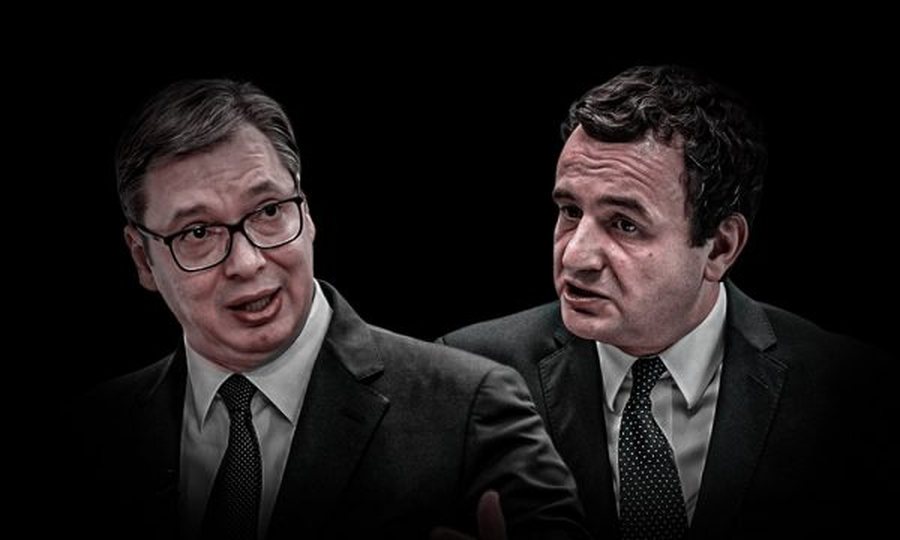
Vucic is playing with time. He hopes that Donald Trump will become the US president again in the fall. With him in the White House, the calculation is made that the cards for the Kosovo issue can be rearranged again. After all, it was Trump's envoys who supported a land swap between Pristina and Belgrade in 2018 that Vucic and Kosovo's previous president, Hashim Thaci, had negotiated.
The negotiator leaves. Miroslav Lajcak, the EU's special representative for negotiations between Serbia and Kosovo, resigns; The search for a successor is ongoing. The departure is not surprising. Talks to normalize relations between the neighbors, which have been ongoing since 2011, have stalled. Nothing moves. And if so, then in the wrong direction. It is easier to blame the failure on the Slovak diplomat. The accusation from Prishtina that Lajcak is biased in favor of Belgrade is also baseless.
This is how the Swiss newspaper " Neue Zürcher Zeitung " describes the current political context between Kosovo and Serbia in an article published today.
The reason for the deadlock lies elsewhere: neither Belgrade nor Pristina are ready to implement the agreement that the EU presented to them in February 2023. What seemed like a breakthrough at the time, turns out to be a non-starter in retrospect. NZZ.
Basically, the agreement contains two points: Serbia does not officially recognize Kosovo, but behaves accordingly. Above all, it does not prevent Pristina if it wants to join international organizations (such as the UN). So it is about de facto recognition. In contrast, Prishtina is keeping its word eleven years ago and is giving Kosovo Serbs limited autonomy. Specifically: It allows the creation of a community of the Serbian community.
"In February 2023, Serbian President Aleksandar Vučić refused to give his consent to the written agreement. Even his opponent, the Prime Minister of Kosovo, Albin Kurti, has not signed. But EU foreign policy chief Josep Borrell maintained that verbal assurances and cooperation on the deal nevertheless made it legally binding," the NZZ article continues.
But contractual partners are fighting for it. After returning to Belgrade, Vucic made it clear that his country will continue to oppose Kosovo's admission to the Council of Europe. And his Kosovar counterpart, Prime Minister Albin Kurti, is not lifting a finger to implement the long-agreed autonomy of the Kosovo Serbs.
Vucic hopes for a new chance with Trump in the White House
Vucic is playing with time. He hopes that Donald Trump will become the US president again in the fall. With him in the White House, the calculation is made that the cards for the Kosovo issue can be rearranged again. After all, it was Trump's envoys who supported a land swap between Pristina and Belgrade in 2018 that Vucic and Kosovo's previous president, Hashim Thaci, had negotiated.
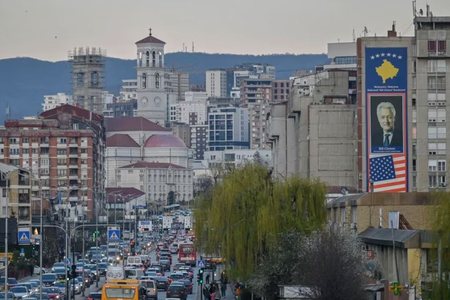
Kosova veriore, e cila është 90 për qind e populluar nga serbët dhe ka rreth 50,000 banorë, duhet t’i kthehet Serbisë, dhe anasjelltas, Lugina e Preshevës në Serbinë jugore, e cila është e banuar kryesisht me shqiptarë, duhet të bashkohet me Kosovën. Projekti dështoi kryesisht për shkak të rezistencës nga Berlini, i cili nuk donte të pranonte asnjë ndryshim të ri kufijsh. Me Trump, shpreson Vuçiç, një përpjekje e re do të jetë e mundur.
Kurti, nga ana tjetër, kundërshtar i shkëmbimit të tokave, është i nxituar. Ai po përpiqet të krijojë një fakt të kryer në veri të Kosovës. Ai e forcon sovranitetin e Kosovës në këtë pjesë të vendit me masa të ashpra administrative dhe burime policore. Ai ka baza të ndërtuara për policinë speciale të armatosur rëndë, synon kontroll financiar dhe konfiskon ndërtesat që janë ndërtuar pa leje. Përdorimi i toleruar më parë i dinarit serb do të ndalohet dhe do të zëvendësohen tabelat e emërtimeve serbe të shkruara në cirilik, shkruan gazeta zvicerane.
“Në sytë e popullatës serbe, pushteti shtetëror kosovar duket si një regjim pushtues. Deri në ardhjen e Kurtit në pushtet në vitin 2021, shteti kosovar në veri të Kosovës ishte më shumë shok dhome sesa i zoti i shtëpisë”, vazhdon artikulli.
Zonat e vendbanimeve etnike në dhe rreth Kosovës
Pas luftës së vitit 1999, shteti serb nuk u zhduk kurrë plotësisht nga veriu i Kosovës. Sistemi i kujdesit shëndetësor, spitalet dhe klinikat ambulatore janë financuar gjithmonë nga Beogradi. Po kështu edhe shkollat dhe universiteti, të cilat funksionojnë sipas planprogrameve serbe. Deri në vitin 2013, në duart e serbëve ishin edhe gjyqësori, administratat komunale dhe një pjesë e policisë. Vetëm në vitin 2013 një marrëveshje ndërmjet Prishtinës dhe Beogradit çoi në integrimin e policisë dhe gjykatave në sistemin e Kosovës. Në këmbim, Kosova do të duhej të prezantonte asociacionin autonom të komunave, gjë që megjithatë nuk ndodhi.
Ky sovranitet i përbashkët funksionoi mjaft mirë në jetën e përditshme. Banorët i merrnin shërbimet e tyre ose nga Kosova ose nga Serbia. Disa gëzonin privilegjin e punësimit në të dyja administratat. Dhe Prishtina pagoi shpenzimet e energjisë sepse nuk shihte asnjë mënyrë për të mbledhur faturat e papaguara në veri. Që në fillim qëllimi i Kurtit ishte t’i jepte fund kësaj situate. Sepse ai i sheh këto anomali si kërcënim për integritetin territorial të vendit të tij. Por si duhet realisht shteti i Kosovës ta integrojë këtë fushë?
Kurti ka frikë nga autonomia serbe
Basically there are two options: through autonomy or through centralization. For the first option, the community of the Serbian community would be the nucleus. It would have institutionalized cooperation between municipal authorities and created a political-administrative infrastructure for Kosovo Serbs: broad self-government, but integrated into the state of Kosovo. However, to reduce Belgrade's influence, Pristina would have to invest on a large scale. Prishtina will have to pay for what Serbia has supported so far – education and health – from its budget. But there is not enough money and, above all, there is a lack of political will.
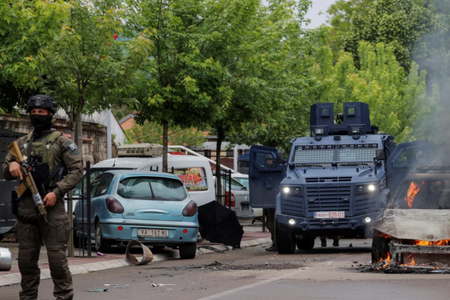
Kurti does not believe in Serbian autonomy. He does not see it as an instrument of self-determination, but as a gateway for Belgrade's influence. Against this, it mobilizes central institutions, which are supposed to enforce their rules by force if necessary. This repeatedly leads to violent confrontations and a growing tension of Kosovo Serbs towards the state, whose authority most have never accepted anyway.
In November 2022, a dispute over the use of Serbia's license plates escalated. The Serbian commander of the northern region of the Kosovo Police was subsequently dismissed for insubordination. Within days – and no doubt after consultation with Belgrade – the Kosovo Serbs collectively left the civil service: the police, the courts, the municipal authorities.
Since then, the Kosovar policemen have been the ones who have ensured peace and order in the north. The Kosovar mayors took over the leadership of the municipalities and were elected only by a part of the population - the Serbs had boycotted the elections. A vicious cycle of rejection, resistance and repression has begun, which does not bode well for the future, continues NZZ.
The most serious incident to date occurred in September 2023. A Serbian militia in uniform attacked a Kosovo police patrol. A police officer and three attackers died in the battle. Police later found large caches of weapons. The weapons came from Serbia.
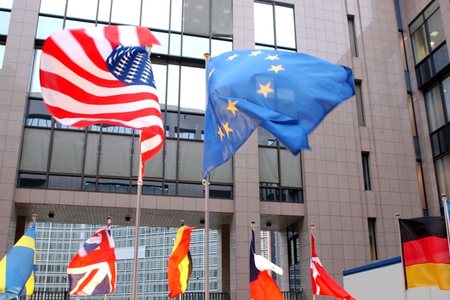
The EU and the USA appear in defeat, NATO as the guarantor of security
The combined efforts of the EU and the Americans to convince Pristina and Belgrade to implement the normalization agreement have achieved absolutely nothing. This is surprising at first glance. But what negotiators lack in their diplomatic arsenal are positive incentives. What worked fifteen years ago no longer works: the lure of EU integration. In Serbia, support for membership has fallen below 50 percent. And Kosovo still does not even have candidate status. Five EU countries refuse to recognize it.
Responsibility for Kosovo's security currently rests primarily on the shoulders of the NATO-led KFOR force. Almost four thousand men and women, as well as the EU rule of law mission EULEX, fill a dangerous institutional vacuum that has arisen over the past two years.


Lini një Përgjigje