


 Shkruar nga Pamfleti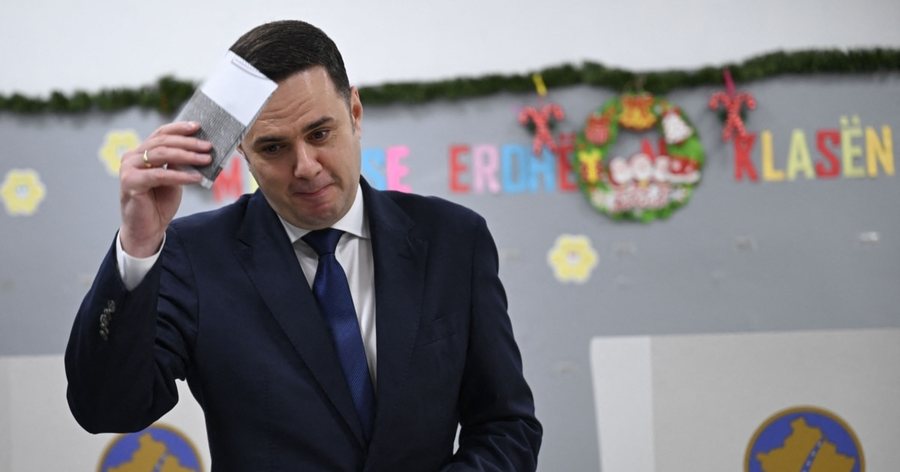
About 52 thousand fewer votes, or minus five seats in the Kosovo Assembly – this is the balance of the Democratic League of Kosovo (LDK), if we compare the two parliamentary elections held this year.
The factors that influenced this decline in support for the LDK from the electorate are numerous, according to experts on political developments.
But, according to them, the main ones are "the improper approach of the party leadership", the party's failure to act "according to the expectations of the electorate" and the "marginalization of old structures", which attract traditional voters of this party.
Preliminary results published by the Central Election Commission (CEC) show that in the early parliamentary elections, on December 28, 119,201 citizens voted for the LDK, or 13.57 percent of voters.
In the regular parliamentary elections on February 9, LDK received the support of 171,357 Kosovars, or 18.27 percent of those who voted that day.
Analyst Imer Mushkolaj tells Radio Free Europe that the main reason why the LDK suffered a "major decline" in the December 28 elections began 11 months ago.
He recalls the position that the LDK leader, Lumir Abdixhiku, had announced at the time, that his party would not enter into a coalition either with the Vetëvendosje Movement (LVV), which had won 42 percent of the votes in February, or with the other two parties, the Democratic Party of Kosovo (PDK) and the Alliance for the Future of Kosovo (AAK), for an eventual government of the former opposition camp at the time.
LDK rejected LVV's offer for a partnership in government.
" It is precisely the improper approach of the party leadership... I am convinced that this has had an enormous impact on the logic of how LDK voters vote and how they voted, because for me it makes no sense that a party, which exists to come to power - like any other party - simply closes its doors to itself ," Mushkolaj emphasizes.
In the early parliamentary elections of 2021, the LDK received only 12.73 percent of the vote. However, it improved in the February 9 elections, increasing by 5 percentage points.
Analyst Rrahman Paçarizi believes that when voters return to a party, they also expect action from it.
"Meanwhile, the LDK's action has not happened at all, or it has not happened as expected or perceived by those voters who thought and hoped that the LDK would be part of the institutions ," Paçarizi tells Radio Free Europe.
Ai shton se LDK-ja nuk ka arritur që ta ndërtojë rrëfimin e saj pas zgjedhjeve të 9 shkurtit, të cilat u pasuan me zvarritje disamuajshe të konstituimit të Kuvendit. LVV-ja, si fituese e zgjedhjeve të 9 shkurtit, nuk arriti ta krijonte e vetme qeverinë e re, gjë që dërgoi vendin në zgjedhjet e parakohshme të fundvitit.
Megjithatë, trendi i rënies së numrit të votuesve të LDK-së, sipas Paçarizit, kishte nisur rreth pesë vjet më parë.
Ardhja e Abdixhikut në krye të partisë në vitin 2021 nënkuptoi edhe një ekip të ri njerëzish më të besueshëm të tij në strukturat drejtuese të partisë.
Përpjekjet për ripërtëritjen e partisë, thotë Paçarizi, nuk prodhuan edhe rezultat të mirë tek ruajtja e elektoratit.
“Mendoj se LDK-ja i ka lënë pas dore strukturat më të vjetra të saj, të cilat tashmë pothuajse janë margjinalizuar dhe janë struktura të fjetura. Votuesit e këtyre strukturave nuk bëhen elektorat i askujt tjetër, por refuzojnë të dalin për ta votuar LDK-në”, thekson Paçarizi.
Në linjë të njëjtë shpreh mendimin edhe Mushkolaj, i cili po ashtu e sheh margjinalizimin e disa prej njerëzve nga strukturat më të vjetra të LDK-së, si shkaktar të rënies së numrit të votuesve të kësaj partie.
“Të mos harrojmë se profili i votuesve të LDK-së janë edhe njerëzit në moshë mesatare dhe të shtyrë, të cilët gjatë viteve të tëra e kanë asociuar LDK-në me këta njerëz. Atëherë, mos pritni që të njëjtit kanë për t’ia dhënë votën LDK-së. Më e pakta që ata mund të bëjnë është që të abstenojnë nga votimi dhe të mos votojnë LDK-në”.
Rënia e numrit të votuesve të LDK-së më 2021, rikthimi i një numri të tyre në zgjedhjet e 9 shkurtit dhe rënia e sërishme në zgjedhjet 28 dhjetorit, tregojnë se mjaft prej këtyre votuesve i takojnë “zonës së hirtë” të elektoratit.
Paçarizi shpjegon se ky elektorat është i papërcaktuar për ndonjë parti politike. Sipas tij, LDK-ja arriti të përfitojë një përqindje të mirë të këtij elektorati prej vitit 2021 e deri në shkurt 2025, kur u mbajtën zgjedhjet.
Por, siç thotë ai, brenda 11 muajve të fundit, LDK-ja nuk arriti që këtë elektorat ta mobilizonte në drejtim të saj.
“Pati mungesë të përpjekjes për t’i ftuar, për t’i apeluar votuesit që të hidhen në ‘zonën e hirtë’ ndërmjet partive politike. Ata janë votues të emancipuar, të cilët shohin programet e partive politike. Kjo ka qenë fatale për LDK-në, e cila është rikthyer në rezultatin e saj të vitit 2021”, thekson Paçarizi.
Ndërkaq, Mushkolaj vlerëson se një numër i madh i votuesve të papërcaktuar më 9 shkurt votuan për LDK-në. Por, gjatë 11 muajve të fundit, ata ndryshuan mendje.
“Një numër i madh i këtyre njerëzve që kanë votuar për LDK-në më 9 shkurt, janë kthyer te Lëvizja Vetëvendosje. Unë mendoj që kjo ka ndodhur për shkak se te LDK-ja nuk e panë qëndrueshmërinë dhe seriozitetin e një partie për të ardhur në pushtet, qoftë me opozitën, qoftë me partinë fituese”, shprehet ai.
On the evening of December 28, after the announcement of preliminary results by the CEC, the LDK leader accepted responsibility for his party's low result in these elections.
He warned that the LDK will soon hold a general assembly to address further steps, and did not rule out the possibility of his resignation.
Regarding this issue, Radio Free Europe contacted LDK officials, but they were not willing to comment on possible developments within the party.
Political observers see Abdixhiku's warnings as a step towards his resignation. They believe that within the LDK there are people with ambitions to take the helm of the LDK, but the question still remains who the next leader could be.
Mushkolaj emphasizes that the eventual change of the LDK leadership should also mean a change in the current approach of the party's leadership.
"If there is an approach similar to Abdixhiku's, I don't think that LDK can stand up and be a strong and serious party in the race against [Albin] Kurti and the Vetëvendosje Movement ," Mushkolaj stressed.
The homogenization of the LDK electorate, according to Paçariz, requires a leader who must have a unifying approach across the party's structures.
But, as he estimates, despite the ambitions of some people to take over the leadership of the LDK, the survival of this party will be difficult.
" When it is known that the next elections will likely be in four years, then it is unlikely that there will be a leader who will willingly take over the party and manage to keep the LDK electorate excited for four years, in order to achieve any results," says Paçarizi.
Preliminary results made LDK the third party in the December 28 elections.
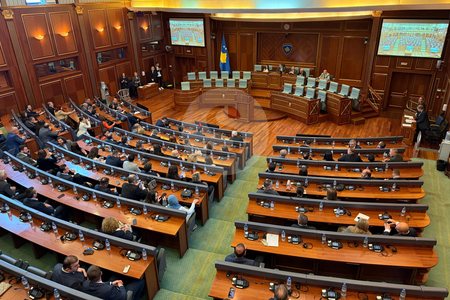
It is expected to have 15 seats in the Assembly, unlike the February 9 elections, when it won 20.
The Vetëvendosje Movement has currently secured 56 seats in the Assembly, PDK 21, AAK 6, while another 20 seats are guaranteed for non-majority communities./ REL




Populli nuk fal. Deshet t’i falnit serbit Mitrovicen o tradhetare të qelbur. Pse behet luftrat, eh? Për burime Nuk late troje e toka pa perlare o faqezinj. Skiptali x serbizem = kosovarizem.