


 Shkruar nga Pamfleti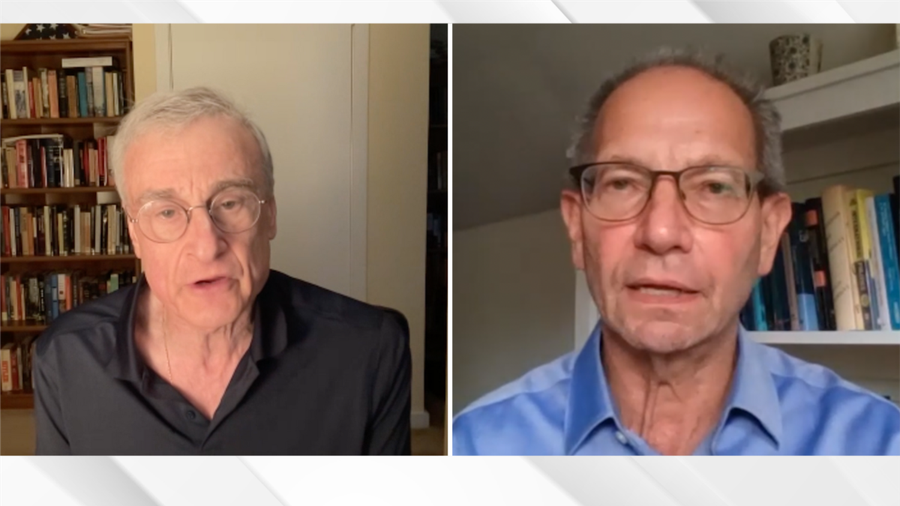
In recent months, Serbia has engaged with the two main states of the European Union to reach strategic agreements. Some experts have interpreted the willingness of Western countries to cooperate with Serbia as an example of efforts to lure it away from Russia's orbit.
But two American professors, familiar with developments between Kosovo and Serbia, Charles Kupchan and David Kanin, told the Voice of America that Serbia's recent agreements with the West, although they improve Serbia's position vis-à-vis Kosovo, should not be interpreted as its decision on the side of the West. Mr. Kupchan and Mr. Kanin spoke about the deadlock in the dialogue process, the positions of the Prime Minister of Kosovo Albin Kurti and the President of Serbia Aleksandar Vucic and the impact that the United States elections may have on the region.
During a visit to Belgrade last month, German Chancellor Olaf Scholtz signed an agreement on the rare mineral lithium, vital for the production of electric cars. In April, during a visit to France, Serbian President Vucic asked to buy 12 fighter planes from France.
Some experts and world media have interpreted these increased commitments of the West towards Serbia as an example of efforts to lure Serbia away from Russia's orbit.
For experts on developments in Serbia and Kosovo, professors Charles Kupchan from Georgetown University and David Kanin from Johns Hopkins University, these agreements do not signal Serbia's alignment with the West.
"Serbia has been successful, but this should not be interpreted as a sign that Serbia has chosen the West. He did not choose the West. Vucic balances Russia, the European Union, the Americans, the Chinese and the Turks and everyone else he needs or wants to deal with and he does it very skillfully… He plays with the Russians, with the Americans. The Russians understand this, but the Americans don't. We behave as if he has chosen the West, while Russia does not come out with statements to say that Serbia has chosen the West," says Professor Kanin.
For the professor of Georgetown University, Kupchan, the latest agreements are a continuation of the policy that Mr. Vucic is pursuing with all countries despite the current geopolitical divisions, which have placed the West and the East on diametrically opposite axis.
"I do not see this as a turning point, nor a sign that Mr. Vučić is turning his back on his ties with Russia and China and that he is putting his feet in the West. Mr. Vucic is capable of engaging with both parties. He has reached agreements with Berlin and Paris recently. But I believe that he will do the same with Moscow and Beijing in the near future" , he says.
In addition to these agreements with the Europeans, Jared Kushner, the son-in-law of the former president and the current Republican presidential candidate Donald Trump, has expressed interest in an investment of hundreds of millions of dollars in Belgrade, to turn the bombed former defense ministry building into a hotel. in 1999 by NATO.
Serbia, which in recent years under the leadership of President Vucic has slipped towards autocracy according to human rights organizations, has pursued a policy of closer relations with the West while maintaining close ties with Russia and China. Serbia is the only EU candidate country that has not imposed sanctions on Russia for its aggression against Ukraine. But Belgrade sells weapons to the Ukrainian military through third parties.
But the two experts differ in their assessments of what impact this attitude of the West towards Serbia will have on the dialogue with Kosovo.
"Serbia has once again become the most important country in the region, which has good relations with everyone. Kosovo, on the other hand, is led by a prime minister with whom it seems no one wants to work. And this gives an advantage to Serbia... 25 years ago, when NATO carried out the bombing campaign, Serbia looked like a loser, isolated. Now Serbia is anything but a loser, it is not isolated at all and has scored many successes in the diplomacy it is pursuing", says Mr. Kanin.
Mr. Kanin, former CIA analyst for the Balkans, says that these successes will enable Mr. Vučić to continue insisting on the creation of the Association, which according to him has become an "obsession" for Western diplomats.
Mr. Kanin says that "the assessment that the association will integrate Kosovo Serbs into the institutions of Kosovo is wrong" and that Serbia is in a very good position to "patiently but persistently push for it".
"Kosovo is facing a very difficult situation, with a prime minister who is unpopular outside Kosovo, but who is clear that the creation of the association will undermine Kosovo's sovereignty", he adds.
Professor Kupchan, a senior analyst at the Council on Foreign Relations, believes that the European Union will continue to focus on the dialogue between Kosovo and Serbia, but does not think that Serbia will benefit from the increased attention of the West.
“Vëmendja e Perëndimit, nuk besoj se forcon peshën diplomatike të Serbisë. Mendoj që Bashkimi Evropian do të vazhdojë të nxisë dialogun midis Kosovës dhe Serbisë siç e sheh të domosdoshme. Përpjekjet e tyre janë të përqendruara në përmbylljen e këtij procesi. A do mund të kenë marrëdhëniet më të fuqishme ekonomike ndërmjet Francës, Gjermanisë dhe Serbisë ndikim pozitiv në marrëdhënien e përgjithshme? Po, sepse kontaktet më të shpeshta dhe lidhjet më të mëdha ekonomike janë më mirë se sa më pak, por gjithsesi nuk do t’i konsideroja këto marrëveshje si diçka që ndryshojnë rrjedhën,” thotë zoti Kupchan.
Ai thotë se ndan shqetësimet se “procesi i dialogut ka hyrë në rrugë pa krye” dhe se për këtë dyja palët mbajnë përgjegjësi.
“Masat e zoti Kurti, ndonëse mund të qëndrojnë në aspektin politik dhe ligjor, ishin të panevojshme në aspektin strategjik, sepse ishin provokuese pa nevojë. Për shembull, vendosja e kryetarëve të komunave në veri që u zgjodhën me një përqindje të papërfillshme votash; kjo u pasua me targat e makinave dhe më vonë me çështjen e dinarit," thotë zoti Kupchan.
"Të gjitha këto veprime justifikohen, sepse Kosova po përpiqet ta shtrijë sovranitetin e plotë të saj, por që nuk ishin të dobishme sa i përket marrëdhënieve me Serbinë. Beogradi nga ana e tij mobilizoi forcat përgjatë kufirit me Kosovën. Patëm një episod të dhunshëm në Banjskë dhe ai që pranoi fajësinë për këtë akt terrorizmi ende shëtit i lirë në Serbi. Patëm pastaj një letër të kryeministres serbe e cila shprehu rezerva për marrëveshjen, në të cilën thoshte se kurrë nuk do ta njohim Kosovën. Këto janë hapa prapa dhe për pasojë mund të themi se procesi i normalizimit ka ngecur,” shton ai.
Muajin e kaluar, qeveria amerikane njoftoi se emëroi diplomatin Alexander Kasanof si të dërguar të posaçëm për Ballkanin Perëndimor, pas përfundimit të mandatit të diplomatit Gabriel Escobar. Në fillim të vitit të ardhshëm, Bashkimi Evropian pritet ta emërojë një ndërmjetës të ri për të zëvendësuar diplomatin sllovak, Miroslav Lajçak.
Zoti Kupchan, i cili ka punuar në dy administrata amerikane atë Presidentit Clinton dhe të Presidentit Obama, si drejtor për Evropën në Këshillin për Sigurinë Kombëtare, pret që trysnia mbi Prishtinën dhe Beogradin të rikthehet pas një pauze për shkak të zgjedhjeve në Bashkimin Evropian dhe në Shtetet e Bashkuara dhe mbetet optimist për një epilog të këtij procesi.
“Mendoj se të luash me kartën e Rusisë, të Kinës, nuk është opsion në afat të gjatë për shkak të vendndodhjes gjeografike. Ballkani është pjesë e një hapësire më të madhe evropiane. Popujt e rajonit duhet të ndihen të bekuar, me fat. Ata që jetojnë në Azinë Qendrore, në Armeni, në Azerbajxhan, pra afër Rusisë, afër Kinës, jetojnë në një zonë të pasigurt në një të ardhme pa afat. Ballkani nuk është një zonë e tillë, është në Evropë dhe për pasojë mendoj se këtij procesi do t’i vijë një fund pozitiv,” thotë ai.
Por zoti Kanin konsideron se dialogu është një proces që ka dështuar të japë rezultate dhe gjatë 30 viteve të fundit është peng i rotacionit të diplomatëve perëndimorë, që nuk kanë arritur ta çojnë procesin përpara. Sipas tij, nuk ka vullnet për të lëvizur dhe si i tillë dialogu që në fillim ishte i dështuar si proces.
“Serbët e dinë këtë gjë. Kosovarët e dinë gjithashtu. Vuçiçit ble kohë përmes avantazheve që ka siguruar përmes diplomacisë rajonale dhe kontakteve me udhëheqësit ndërkombëtarë, ndërkohë që Kurti ngul këmbë dhe provon të fitojë zgjedhjet e radhës dhe t’i mbajë larg serbët", thotë ai.
Sipas zotit Kanin, Uashingtoni dhe Brukseli duhet ta rishqyrtojnë tërë qasjen e tyre ndaj rajonit dhe t’ua lënë në dorë palëve që të arrijnë marrëveshje në bazë të preferencave të tyre, qoftë edhe atëherë kur zgjidhjet mund të përfshijnë plane si ai ndërmjet ish Presidentit Thaçi me Presidentin Vuçiç në vitin 2018.
“Ne nuk do të jemi në gjendje të imponojmë një demokraci liberale, shumë-etnike, transparente dhe perëndimore në rajon. Nuk do të jemi në gjendje të imponojmë paqe dhe fund të konflikteve. Kemi dështuar ta bëjmë këtë gjë gjatë tre dekadave të fundit. Mendoj se duhet t’i sfidojmë vendasit që të gjejnë mënyra për të punuar bashkërisht,” thotë zoti Kanin.
Edhe zoti Kupchan është i mendimit që përmbyllja e konfliktit ndërmjet Kosovës dhe Serbisë do të jetë në duart e udhëheqësve të dyja vendeve dhe prirjes së tyre për të marrë vendime të vështira.
“Të luash me kartën e nacionalizmit është gjëja më e lehtë për ta bërë. Por, ta bindësh publikun se ka ardhur koha të lihet mënjanë nacionalizmi etnik dhe të shihet drejt të ardhmes është gjëja më e guximshme që mund ta bëjnë. Nuk jemi ende tek ky moment, por mendoj se është çështje kohe. Këto pengesa do kapërcehen kur udhëheqësit të jenë gati të hedhin hapa të guximshëm,” shton ai.
A do të kenë ndikim zgjedhjet amerikane në çështjet e pazgjidhur midis Kosovës dhe Serbisë?
Sipas zotit Kupchan, në këtë cikël zgjedhor, Shtetet e Bashkuara janë shumë të përqendruara në planin e brendshëm dhe politika e jashtme, e dominuar nga Ukraina dhe lufta në Gazë, nuk do të jetë përparësi, por megjithatë pret energji të re në procesin e dialogut pas zgjedhjeve në SHBA dhe konsolidimit të zyrtarëve të lartë në BE.
For Mr Kanin, the impact will depend on the winner of the election. According to him, President Trump has shown that he is unpredictable in his approach and that he changes his position, while, in his opinion, the expected Democratic candidate and current Vice President Kamala Harris, who he says does not know much about the Balkans, has very likely to continue the same policies towards the region./ VOA



Lini një Përgjigje