


 Shkruar nga Pamfleti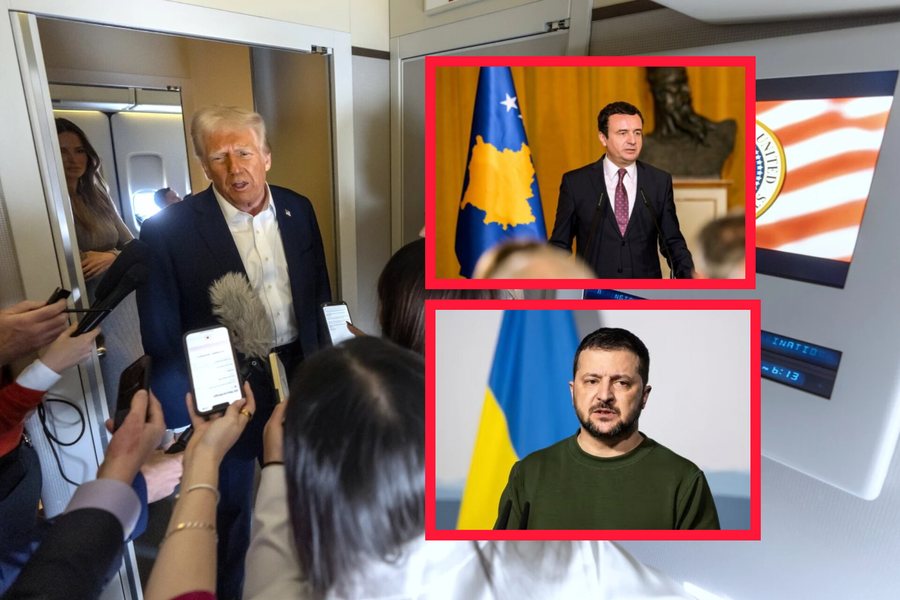
Unlike his predecessors, Trump seems to be resolving conflicts in various regions in an authoritarian manner and by favoring his "friends."
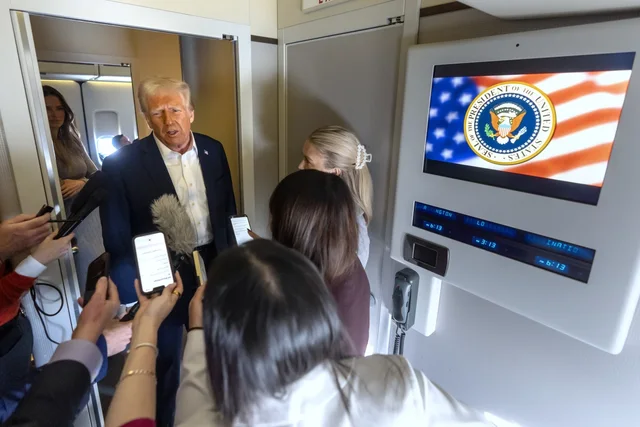
Donald Trump's rise to power, as expected, has shaken the entire world. His statements and desires, sometimes ill-considered, have caused debate, fear and confusion. One of his latest statements has shocked the Middle East, a region that just a week ago found peace from a bloody conflict of over 15 months between Hamas and Israel.
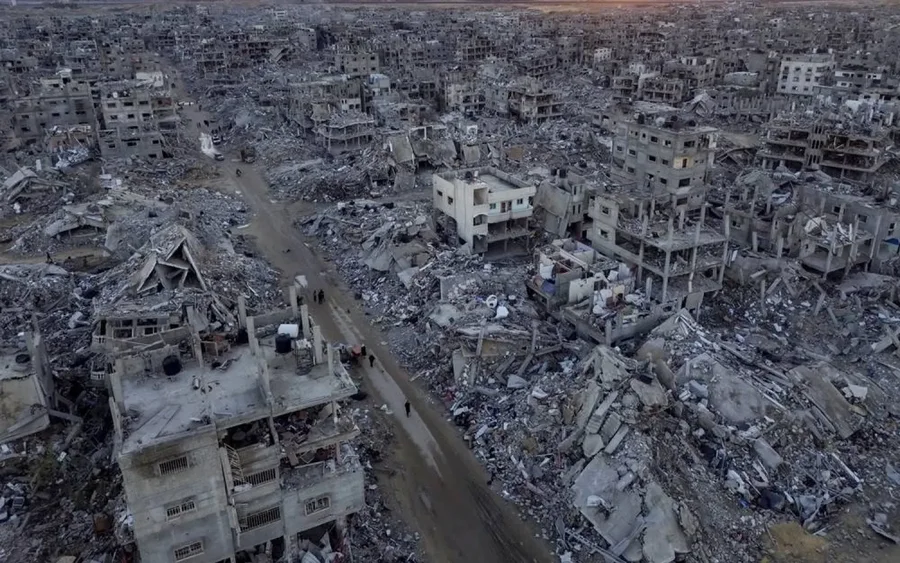
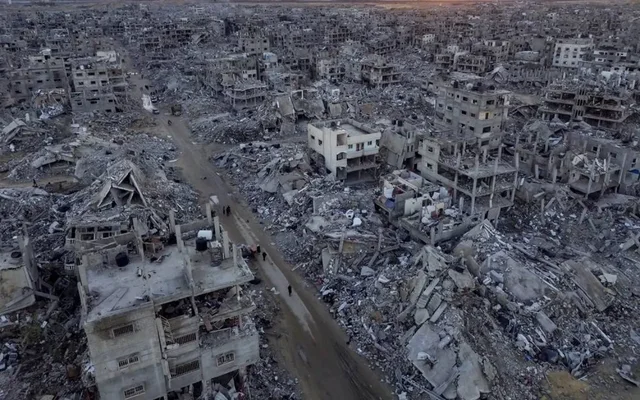
Trump downplayed everything that had happened in these months, the casualties, the mass destruction of the Gaza Strip and the consequences left behind by Israel's merciless attack on the Palestinians of Gaza. The US President spoke of a massive displacement of Palestinians from Gaza.
He said he had spoken with the king of Jordan about the possible construction of housing and the relocation of more than 1 million Palestinians from Gaza to neighboring countries. Trump said he asked King Abdullah II of Jordan to accept Palestinians in his country.
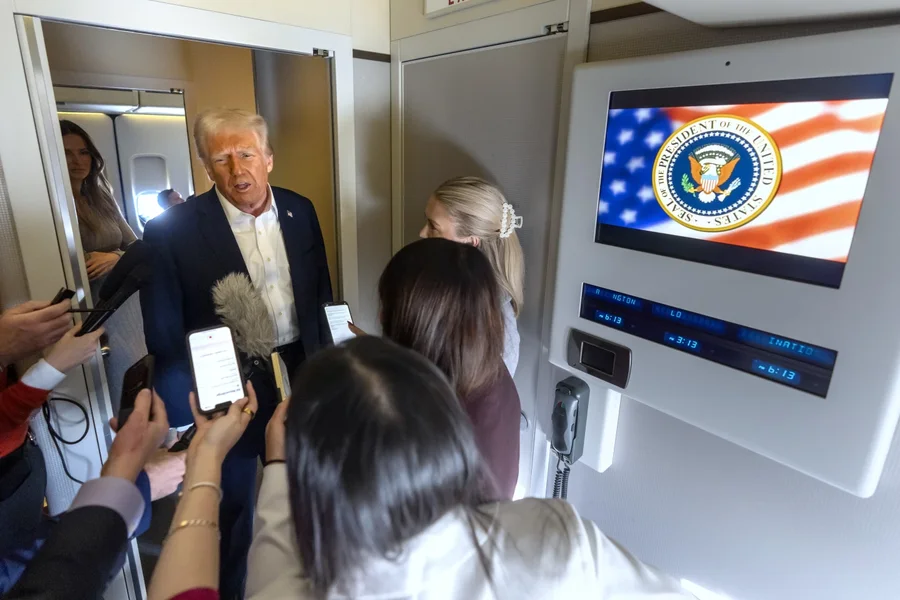
“I told him I wish you would take more Palestinians, because I’m looking at the whole Gaza Strip right now and it’s a mess, it’s a real mess. You’re talking about a million and a half people and we just clean up the whole thing ,” Trump said.
This move by Trump would pave the way for Israel to take over the Gaza Strip and would blow up two decades of US foreign policy, which has long emphasized a two-state solution for Israel and Palestine.
Can the Gaza case be turned into a methodology for solving similar problems around the world?
-Ukraine?
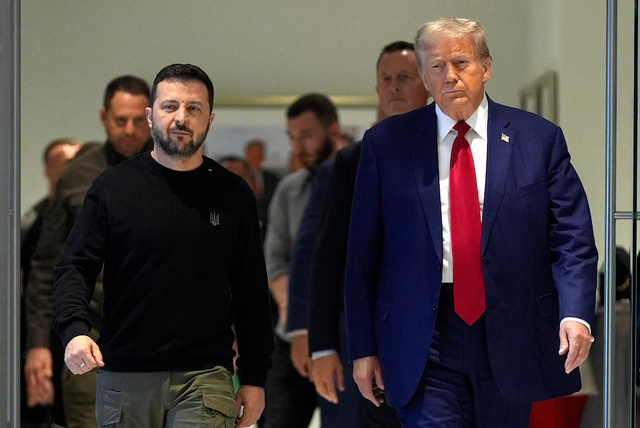
Trump has vowed to end the war in Ukraine at all costs once he takes office. In his first week as president, Trump has made initial efforts to reach an agreement, urging the parties to stop the fighting and begin the process of negotiating a much-needed peace.
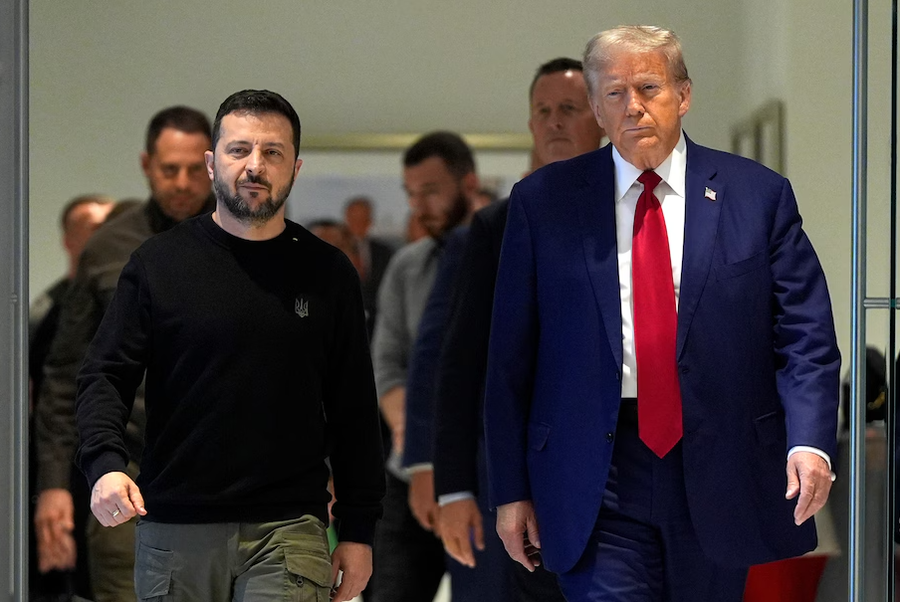
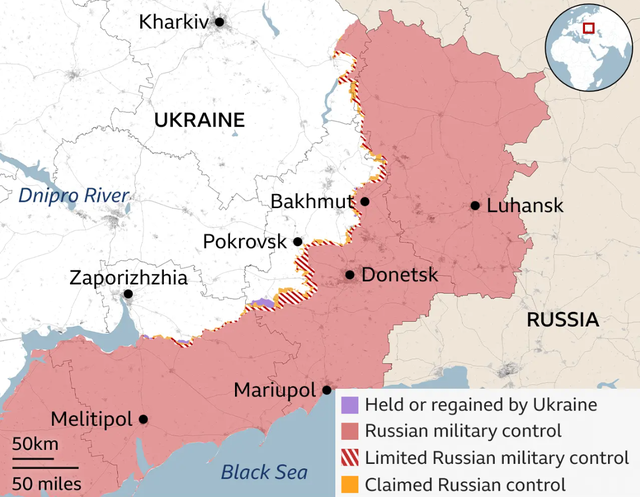
But in the eyes of international experts, in the current conditions of the Russia-Ukraine conflict, the agreement will be extremely painful for Kiev. This is because Vladimir Putin is in more favorable conditions and would agree to make the concessions that Ukraine claims.
Most likely, given what Trump proposed for Gaza, the "cleansing" of the Donetsk, Kharkiv, Kherson, Luhansk regions and several other territories occupied by Russia would be the US plan for peace in Ukraine.
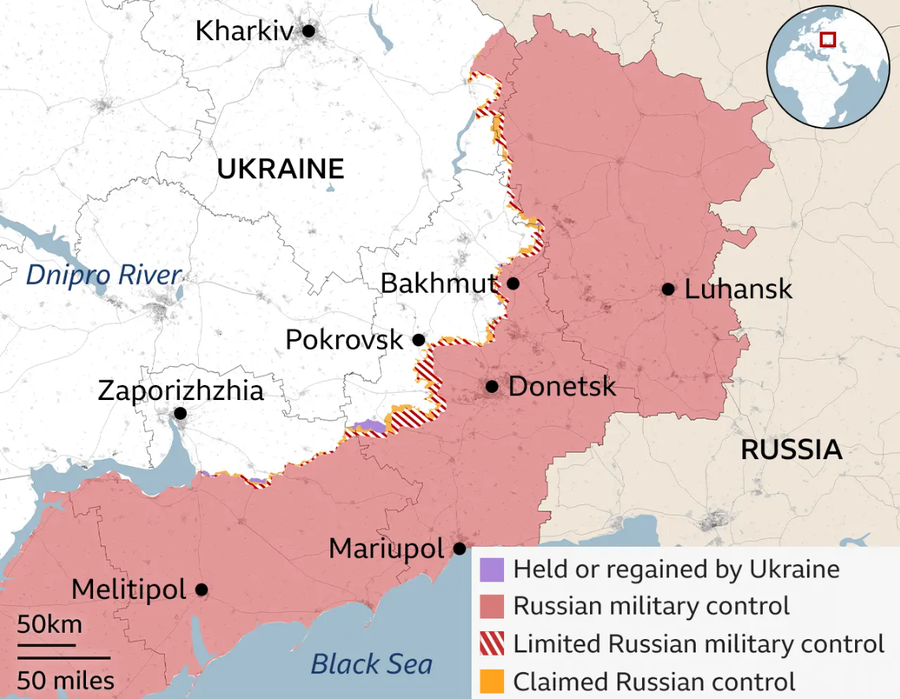
In other words, Trump will allow Russia to keep the occupied regions in exchange for peace. The plan will certainly include hundreds of other commitments between Russia and Ukraine, but essentially the surrender of territory remains the essence of the pact.
-Kosovo?
Certainly not in the conditions of Ukraine and Gaza, but Kosovo continues to have problems regarding its northern municipalities, which are claimed by Serbia. Different administrations in the US have proposed different approaches to the territorial claims of both sides. The last administration, together with the help of the European Union, focused on solving the problem by creating an Association of Serb-majority municipalities in northern Kosovo.
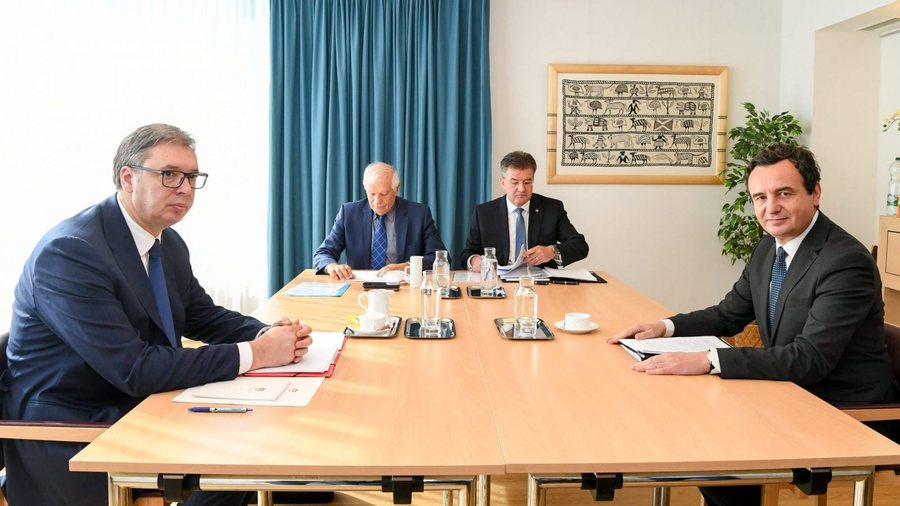
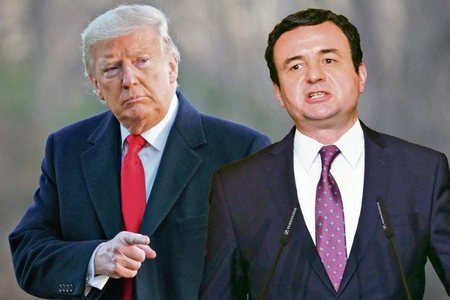
This attempt was not realized due to rejections from Kosovo, mainly the insistence of Prime Minister Albin Kurti, which subsequently brought sanctions from the EU against Pristina.
Unlike the Democrats' approach, Trump had the idea of exchanging territories to end the Kosovo-Serbia conflict once and for all, even in his first administration. This idea has been much discussed and opposed.
On the other hand, Trump and his family have established business ties in Serbia, which will likely influence Trump's decision to resolve this conflict.

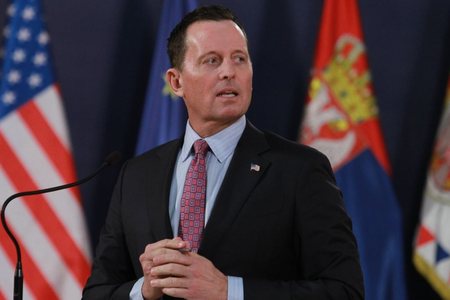
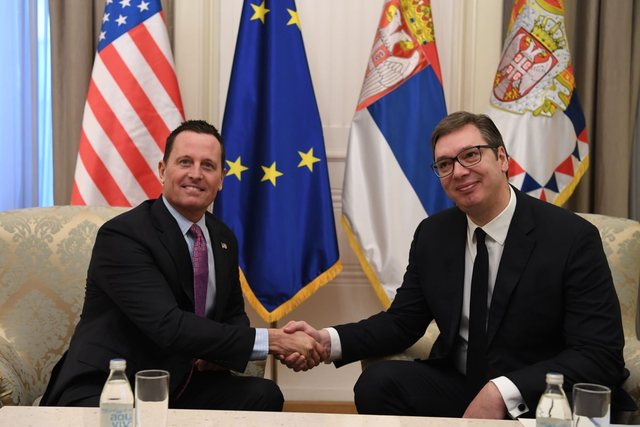
A territorial exchange would be of most interest to Serbia, and under these conditions, with the help of mutual friend Richard Grenell, Aleksandar Vučić could lobby for such a proposal to be placed on his and Kurti's table.
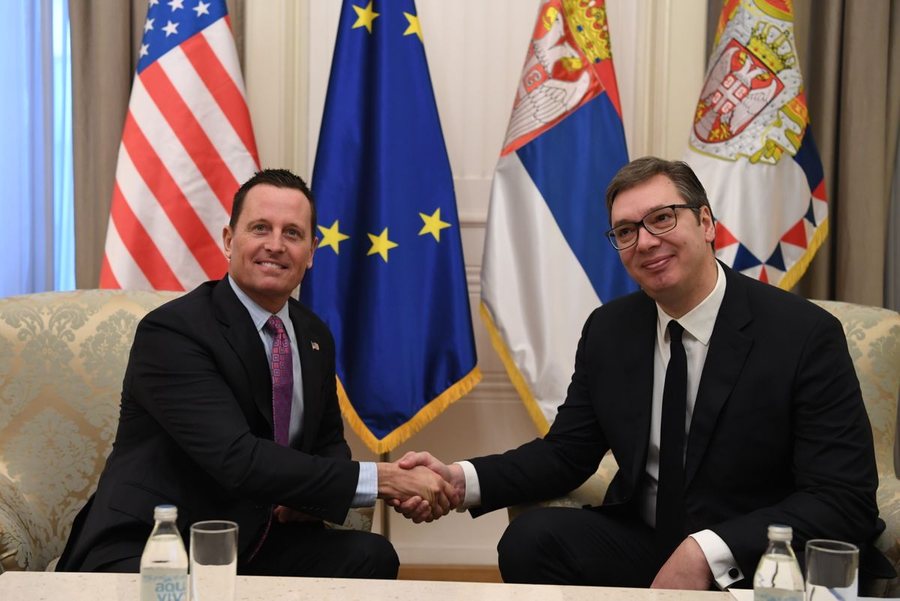
With the pace and pressure that Trump is seeking to resolve things, if such a proposal comes to the table of the Kosovo leader, there is hardly any option but to refuse.
Unlike his predecessors, Trump seems to be resolving conflicts in various regions in an authoritarian manner and by favoring his "friends." / Pamphlet







Lini një Përgjigje