


 Shkruar nga Jasmin Mujanoviç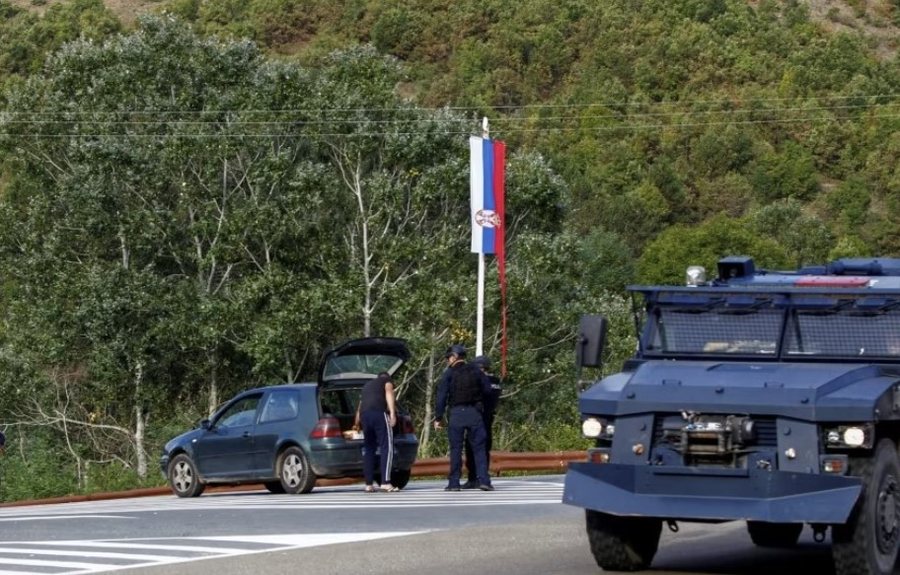
US and EU sanctions against Kosovo should be canceled and replaced with restrictions against the Vucic regime. Serbia's bid for EU membership should also be put on hold until Belgrade demonstrates a serious commitment to de-escalation and functional acceptance of the reality of Kosovo's existence as an independent state...
Last weekend's killing of a Kosovo police officer by a group of 30 or more heavily armed Serb nationalist militants marks the worst incident in that country and the Western Balkans region in more than a decade.
The US ambassador to Pristina, Jeffrey M Hovenier, described the attack afterwards: "We know it was coordinated and sophisticated... The amount of weapons suggests this was serious, with a plan to destabilize security in the region."
The Kosovo authorities are very clear about who is to blame. Namely, the government of Serbia and its president, Aleksandar Vucic.
In the hours after the one-day clashes between militants and police, in which three attackers were reported killed, the office of the Prime Minister of Kosovo, Albin Kurti, posted pictures of large caches of seized weapons and ammunition. “The perpetrators did not act alone,” he wrote, “but [with] the support of the state. Serbia must be held fully responsible for sponsoring terrorist violence on the territory [of Kosovo]".
Serbia, of course, denies these accusations and responded with accusations directed at Kurti and his government for the alleged persecution of Kosovo Serbs. However, the Vucic government immediately declared a day of national mourning, and regime media have hailed the dead attackers as martyrs for the Serbian nationalist cause. However, few analysts have any doubt that Serbia played a significant role in the attack.
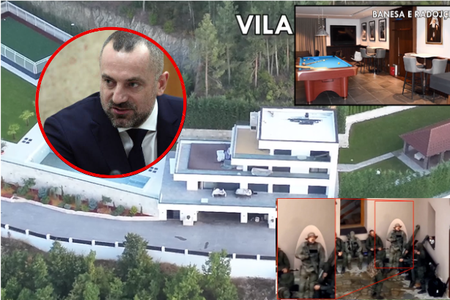
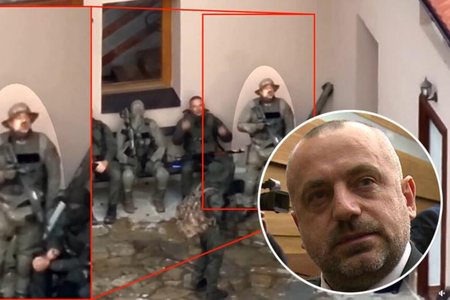
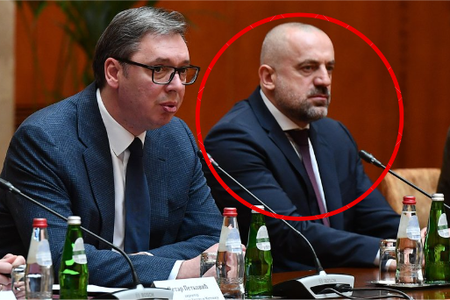
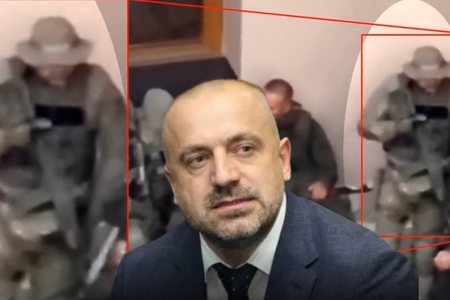
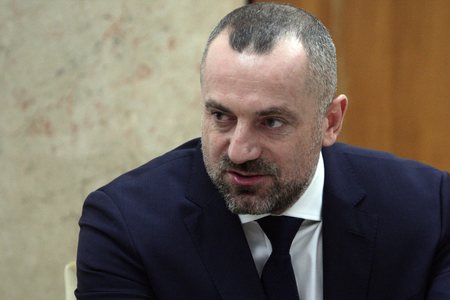
It is alleged that the territory of the country was used as an area for the organization of militants, whose leadership is known to have close ties with Vučić and his close circle. Drone footage released by Kosovo police, for example, appears to show that the vice president of Kosovo's primary ethnic Serb party, Lista Srpska, was among the attackers. Lista Srpska is widely perceived as a representative enterprise of the Belgrade regime, while Milan Radoicic has been under US sanctions for his involvement in significant criminal activities since December 2021. He is now believed to be in hiding in Serbia. Another of the attackers is suspected to be the former bodyguard of the country's intelligence chief (who is also under US sanctions).
The biggest question is how could this attack have happened?
Kosovo still hosts a NATO peacekeeping force of around 4,500 troops, who are closely involved in policing and intelligence gathering in the country. They were violently attacked in May this year by Serbian nationalist mobs, leaving more than two dozen peacekeepers injured. And Kosovo's government has warned of increased likelihood of Serb-orchestrated violence since September 2021, when Serbia deployed warplanes along the border for the first time since Kosovo's 1999 war.
The US-EU response is not comforting
The attack is the (in)direct product of a radical reorientation of American and European policy in the Kosovo-Serbia dispute and beyond in the Western Balkans. Since 2020, Washington and Brussels have explicitly focused Belgrade's interests above all other neighboring policies, in an unlikely scheme to appease the country's nationalist leaders and withdraw them from Russia's orbit of influence. This in a country where 70% of the population supports Russia's aggression against Ukraine. Even after the May attacks on NATO peacekeepers, for example, the US and the EU, in an extraordinary way, sanctioned Kosovo.
Kurti ka akuzuar në mënyrë eksplicite të dërguarin rajonal të BE-së , Miroslav Lajçak, se punon në bashkëpunim me Serbinë për t'i bërë presion Prishtinës që të dorëzohet përballë kërkesave të Beogradit. Dhe shumica e vëzhguesve pajtohen me të.
Duke folur për Zërin e Amerikës për sulmin e kësaj jave, ish-analisti i CIA-s, David Kanin, u shpreh se zbutja e Perëndimit ndaj Vuçiçit ka inkurajuar sulmet në Veri.
Tani nevojitet një korrigjim i mprehtë i kursit nga SHBA dhe BE. Është e qartë se si politikat e administratës Biden ashtu edhe ato të Komisionit Evropian kanë kontribuar në krizën më të rëndësishme të sigurisë në rajon në vite. Zbutja e tyre ndaj Beogradit ka rrezikuar Kosovën, por edhe shtetet fqinje si Bosnja dhe Mali i Zi, ku militantizmi nacionalist serb, i sponsorizuar gjithashtu nga Serbia, është kërcënimi kryesor i sigurisë së brendshme.
US and EU sanctions against Kosovo should be canceled and replaced with restrictions against the Vucic regime. Serbia's bid for EU membership should also be put on hold until Belgrade demonstrates a serious commitment to de-escalation and functional acceptance of the reality of Kosovo's existence as an independent state. And the five EU member states that still do not recognize Kosovo's sovereignty should be reprimanded for their role in exacerbating a major European security issue when the continent cannot afford it.
Until then, there can be no meaningful return to dialogue, however much Western diplomats may want to. / Adapted "Pamphlet" from " The Guardian "


Lini një Përgjigje