


 Shkruar nga Pamfleti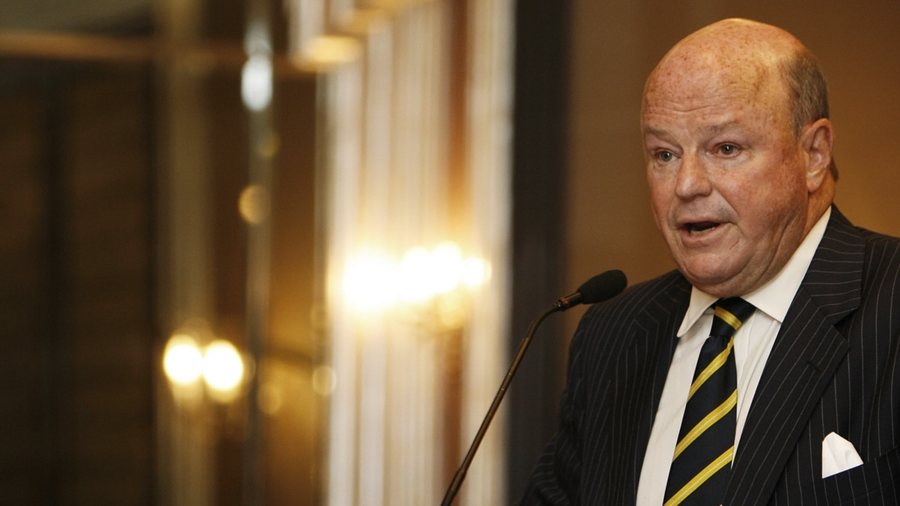
The former emissary of the United States in the talks on the status of Kosovo, Frank Wisner, says that Kosovo today is a mixed story - "it has not achieved everything it wanted, but it has built itself as a sovereign state in the European family".
In an interview given to Radio Free Europe, Wisner says that Serbia, still to this day, is not ready to accept the reality of an independent Kosovo, so the agreements reached between the two countries, according to him, do not work.
For his own reasons, he says that Kosovo should establish the Association of municipalities with a Serbian majority, but with "very limited responsibilities".
Wisner believes that it is still too early to say what can be expected from the administration of the US president-elect, Donald Trump, regarding the Western Balkans.
"The previous Trump administration had a series of ideas aimed at reaching a territorial agreement... Any movement towards this objective would cause nothing but trouble in the Western Balkans. I hope that this will not tempt the new administration", he says.
Radio Free Europe: Ambassador Wisner, two decades ago, you were a key figure in the negotiations on the status of Kosovo. Over 25 years after the war and on the eve of the 17th anniversary of Kosovo's independence, how would you assess its progress over the years?
Frank Wisner: Kosovo has achieved its independence - a dream come true - it has built itself as an independent nation and partially entered the family of nations. However, it has been repeatedly opposed by Serbia, which has not recognized its independence. As a result, Serbia has managed to block its membership in the United Nations and a number of countries have not recognized it.
But, at the same time, Kosovo, as a new country, has managed to improve its economic situation and improve its political institutions.
Radio Free Europe: In retrospect, do you believe that Kosovo could have done anything differently that could have improved its situation today?
Frank Wisner: No. I have often thought about this, but Serbia has been very determined to block Kosovo's independence. It was impossible to overcome that obstacle. Her opposition to Kosovo's independence has not subsided for a minute during these years.
And, until Serbia accepts the fact that Kosovo is sovereign and independent and is ready to develop good neighborly relations with it, I do not expect any solution between them.
The European institutions have tried hard to help the two sides to accept each other and they have not succeeded. The United States has not succeeded. Until Serbia is convinced that it is in its interest to allow Kosovo to be a fully independent country, nothing will happen, the final status will not be achieved.
Radio Free Europe: International mediators have also said that the two companies are not yet ready for a final agreement. Do you think there is a way out?
Frank Wisner: Serbia, in particular, is not ready to accept that Kosovo is no longer part of Serbia and to accept its independence. Until that is achieved, I see no final status solution.
Radio Free Europe: How can it be achieved? Do you think the Ahtisaari Plan is still the best framework for Kosovo-Serbia relations? Or should there be new proposals?
Frank Wisner: I think the Ahtisaari Plan was good. There is nothing wrong. The problem is not the plan, but Serbia's unwillingness to accept the fact that Kosovo is independent. Kosovo will not be satisfied with anything less than independence.
Radio Free Europe: The formation of the Association of municipalities with a Serbian majority is an agreement reached in dialogue, but which has not yet been implemented by Kosovo. The current government of Kosovo fears that it may look something like Republika Srpska. Do you justify this fear?
Frank Wisner: I believe that the idea of [majority] Serbian municipalities, to work together, to cooperate, to preserve cultural institutions, is quite good. But I have never been fully convinced that Serbia sees that agreement as part of an independent Kosovo. She sees it more as a way to reduce Kosovo's position as an independent state.
So, the idea in principle remains good, but until I see a greater willingness of Serbia to live with an independent Kosovo, I do not expect any agreement to work, to be maintained or to be successful.
Radio Free Europe: So, do you think that Kosovo should form the Association?
Frank Wisner: I think that Kosovo, for its own reasons, should create an association of municipalities with a Serbian majority, with very limited responsibilities in culture, education, taxes and things like that, but which does not have a sovereign status that would disrupt it the functioning of the state of Kosovo.
Radio Free Europe: The USA, as Kosovo's closest ally, has been critical of the current Government, mainly because of some of its actions in the north of Kosovo, such as the removal of the use of the Serbian dinar, the closure of parallel Serbian institutions ... The government has characterized those steps as an extension of legal authority, but the US and the rest of the international community have said the time is not right for them. What do you think?
Frank Wisner: Unë mendoj se është koha e duhur për t’i shtrirë të gjitha përgjegjësitë sovrane të një vendi të pavarur. Kosova, madje, është vonuar.
Të gjitha këto gjëra - përdorimi i dinarit serb apo strukturat paralele - janë të dizajnuara nga Serbia për të minuar statusin sovran të Kosovës. Unë, thjesht, nuk i shoh serbët të gatshëm që të heqin dorë prej tyre, pa një goditje të madhe.
Ndaj, kthehem te pika ime thelbësore: derisa në Beograd nuk ka një vendim politik për pranimin e sovranitetit të Kosovës, unë nuk shoh rrugëdalje, gjithçka tjetër është çështje dytësore.
Radio Evropa e Lirë: E si e shini ju zgjidhjen për veriun e Kosovës?
Frank Wisner: Kjo është një pyetje e komplikuar, sepse veriu i Kosovës është i banuar me serbë, por është pjesë e Kosovës sovrane dhe duhet të integrohet në institucionet e shtetit të Kosovës. Kjo nuk ka ndodhur plotësisht, sepse Serbia e saboton atë integrim.
Radio Evropa e Lirë: Në Shtetet e Bashkuara pritet ta marrë detyrën një administratë e re. Ka shumë çështje në botë që do të tërheqin vëmendje të menjëhershme, por si e shihni ju angazhimin dhe qasjen e administratës së re ndaj rajonit të Ballkanit Perëndimor?
Frank Wisner: Nuk e di. Mendoj se është herët të flitet. Ballkani Perëndimor nuk do të jetë prioritet kryesor i politikës së jashtme në administratën e re.
Administrata e mëparshme e Trumpit ka pasur një sërë idesh, që synonin arritjen e një marrëveshjeje territoriale. Mendoj se ato kanë dështuar.
Nëse administrata e re do t’u kthehej atyre ideve, mendoj se do të dështojë sërish. Nëse vini në shqyrtim integritetin territorial të vendeve, ju hapni Kutinë e Pandorës, hapni një krizë në të gjithë rajonin, ku shtetet e Ballkanit dhe etnitë e tyre kacafyten se ku duhet të vihen kufijtë.
Serbia ka folur për rikrijimin e një Serbie të madhe, që do të ishte mallkim për stabilitetin në Ballkan. Çdo lëvizje drejt këtij objektivi, nuk do të shkaktonte gjë tjetër veçse telashe në Ballkanin Perëndimor. Shpresoj që kjo nuk do ta tundojë administratën e re.
Radio Evropa e Lirë: Deri në çfarë mase do të angazhohet administrata e re në marrëdhëniet Kosovë-Serbi?
Frank Wisner: Siç e thashë edhe më parë, është ende herët të parashikohet. Personeli i saj nuk ka kaluar ende në Senat dhe nuk i ka definuar politikat. Ka peshq më të mëdhenj për t’u gatuar, në kuptimin e sfidave të administratës së re në Azi, në Ukrainë dhe në Lindje të Mesme. Të gjitha këto çështje duhet të adresohen, përpara se të shihet ndonjë perspektivë përparimi në Ballkanin Perëndimor.
Radio Evropa e Lirë: Si duhet të pozicionohet Qeveria e ardhshme e Kosovës përballë administratës së re në Shtetet e Bashkuara?
Frank Wisner: I think it should make sure that its lines of communication are open, continue to insist on the independence of the state, and cooperate with any reasonable negotiating initiative that is undertaken.
Radio Free Europe: With increasing tensions in the Balkans and increasing foreign influences from Russia and China, how vulnerable is Kosovo to destabilizing efforts?
Frank Wisner: Kosovo is a small country. It has no strong structures and if there are goals set from outside to destabilize it, it is vulnerable.
However, so far, it has survived and that gives me hope for the future.
Radio Free Europe: Should Kosovo be offered a clear path to NATO membership and would it affect stability in the region?
Frank Wisner: In my opinion, Kosovo should be a candidate for NATO membership and this would add a more convincing reason for the region to accept it, for Serbia to accept Kosovo's sovereignty.
Radio Free Europe: What advice would you give to the leaders of Kosovo and Serbia, but also to the international community regarding the disputes in this region?
Frank Wisner: The only way to deal with disputes in the region is to talk about them and address them.
For example, I do not expect Serbia to accept the independence of Kosovo. She should, but she won't.
What can happen are partial agreements on trade, on the movement of people, on cultural cooperation. These would be practical steps for cooperation between Pristina and Belgrade and are worth pursuing.
So I'd say it's a mixed story. It has not achieved everything it wanted, but, of course, it has built itself as a sovereign state in the European family./ REL


Lini një Përgjigje