


 Shkruar nga Pamfleti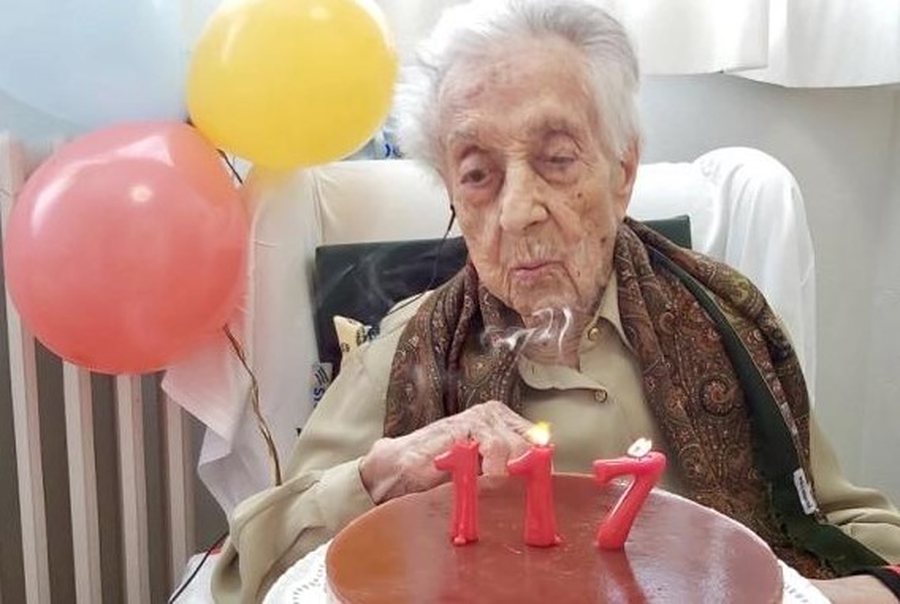
Maria Branyas Morera, the Spaniard who lived for three centuries, had a biological body 23 years younger and the intestines of a teenager. Here's what her samples show about the future of medicine.
Every record is an exception in itself, unique and worthy of study, especially in the field of medicine. Such was the story of Maria Branyas Morera, who in 2023 was officially declared the oldest woman in the world. Born in 1907, she passed away in August 2024, at the age of 117.
But the story doesn't end there. Before she passed away, Maria had agreed for the team led by Dr. Manel Esteller, head of the Cancer Epigenetics group at the "Josep Carreras" Leukemia Research Institute in Barcelona, to take samples from her body to study the secret of her extraordinary longevity.
" Study my body, learn from me ," she had told the doctors as soon as she met them.
In the last years of her life, researchers analyzed samples of her saliva, blood, urine and feces – with the aim of understanding the connection between her health and lifestyle. The first results, now published in the scientific journal Cell Reports Medicine, have shocked the scientific world.
A "superhuman" immune system
Maria had an extraordinary immune system: her cells carried "memory" of old infections, including the 1918 pandemic flu and even Covid-19, which she survived at the age of 113.
“They were still very effective at fighting germs, but they didn't cause harmful inflammation, like in autoimmune diseases,” explains Dr. Esteller.
Apart from an early hearing problem in one ear and some mobility difficulties, Maria had no signs of heart disease, cancer or neurodegenerative diseases.
Short telomeres, but long life
One surprising finding was the state of her telomeres, the protective parts at the end of chromosomes that typically shorten with age. Maria had telomeres 40% shorter than the average for her peers, which is normal for her age, but not for her extraordinary health.
Researchers propose that perhaps telomeres indicate “chronological age,” not biological age. And in her case, short telomeres may have been a protection against cancer: cells that die faster don’t have time to turn into tumors.
A teenager's gut and a love for yogurt
Another "superpower" was her gut microbiome: similar to that of a young person. She had very low levels of bad cholesterol and high amounts of the good bacteria Bifidobacterium, probably thanks to consuming three yogurts a day.
Furthermore, Maria had high mitochondrial functionality, energy production in the body, and protection against free radicals.
Lifestyle? Simple, healthy and loving
Maria did not smoke, did not drink alcohol, followed the Mediterranean diet, walked for an hour every day until 2001, was very social, read books, played with dogs, and spent time with her family. Even after she was 100, she continued to play the piano.







Lini një Përgjigje