


 Shkruar nga Pamfleti
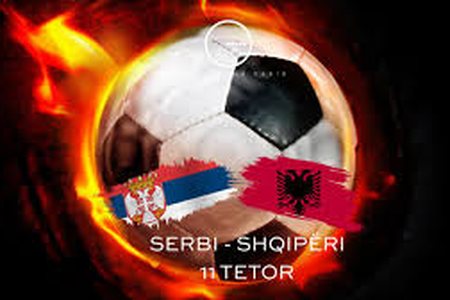
It's arguably the most explosive World Cup qualifier yet: Albania and Serbia will face off on Saturday. The match is also seen as a test of humor for the European Championship in two years.
When the national teams of Serbia and Albania meet in a World Cup qualifier this Saturday, hundreds of police officers, including snipers, plainclothes officers and drone experts, will secure the stadium. Instead of the Serbian capital, the football match will be held in the small town of Leskovac, where the stadium has only 8,100 seats for spectators. Albania's away section will be missing: tickets were not available for general sale. The host countries and UEFA want to prevent a repeat of the scandal of October 2014.
At the time, Serbia and Albania were playing each other in a European Championship qualifier. Before the match, Serbian spectators threw stones at the Albanian team bus; protests and boos drowned out their anthem.
"Kill the Albanians!" Serbian fans shouted as a drone carrying a flag flew over the pitch in the 42nd minute. It depicted the outline of "Greater Albania", as Albanian nationalists wanted. On the pitch, Serbian defender Stefan Mitrovic grabbed the flag and Albanian players rushed towards it. There were scuffles on and off the pitch.
The match was abandoned, but its impact was still felt. In Kosovo's capital, Pristina, hundreds of fans celebrated the match with a motorcade and fireworks. Flags of both countries were burned in border areas between Serbia and Kosovo. Even in the diaspora, in Vienna and Berlin, men of Serbian and Albanian origin attacked each other. And a planned visit to Belgrade by Albanian Prime Minister Edi Rama was postponed.
Since then, the match between Serbia and Albania has been considered one of the most explosive of all time. Fans of both sides have continued a centuries-old conflict on the football field.

Burning flags and insulting slogans
At the center of the conflict is Kosovo, where the majority of the population is of Albanian origin. Kosovars already felt marginalized in the former Yugoslavia. In the late 1990s, Serbian politician Slobodan Milosevic started a war in Kosovo. Even today, Serbia refuses to recognize Kosovo, which has been independent since 2008, as a state.
Tifozët e futbollit serb e shprehin nacionalizmin e tyre në mënyra të ndryshme. Ultrasit e Yllit të Kuq të Beogradit udhëtojnë shpesh në Graçanicë, një enklavë kryesisht serbe në Kosovë. Atje, ata valëvisin flamurin e "Serbisë së Madhe" pranë një manastiri ortodoks. Dhe pozojnë me statujën e Milos Obiliqit. Kalorësi serb thuhet se ka vrarë një sulltan osman në shekullin e 14-të. Tifozët e Beogradit e festojnë veten si mbrojtës të Evropës së krishterë kundër "pushtuesve islamikë", që do të thotë shqiptarëve.
Tifozët shqiptarë reagojnë në mënyrën e tyre. Për shumë prej tyre, vetëm një komb ka rëndësi: ai shqiptar. Sipas tyre, ky komb shtrihet edhe në ato shtete ku jetojnë pakicat shqiptare: Serbia, Mali i Zi, Maqedonia e Veriut dhe Greqia. Ata gjithashtu këndojnë vazhdimisht për luftëtarët e UÇK-së, "Ushtrisë Çlirimtare të Kosovës", në ndeshjet e ligës vendase. Kjo organizatë paraushtarake kishte sulmuar objektiva serbe që nga mesi i viteve 1990.
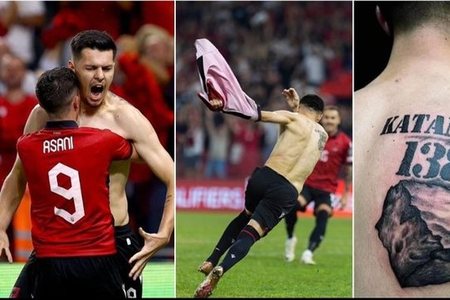
Dhe kjo ndjenjë po përhapet edhe në skenat më të mëdha të futbollit. Pas një ndeshjeje të fazës së grupeve të Kampionatit Evropian 2024 kundër Kroacisë në Hamburg, lojtari i Shqipërisë, Mirlind Daku, mori një megafon dhe bërtiti "Fuck Serbia" para tifozëve që udhëtonin. Daku u pezullua për dy ndeshje. Federata Serbe e Futbollit, nga ana tjetër, u gjobit në dhjetor 2024 pasi tifozët u përpoqën t'i vinin flakën një flamuri shqiptar gjatë një ndeshjeje kundër Zvicrës.
Test humori për Kampionatin Evropian
Në këtë sfond, shoqatat e konsiderojnë një sukses që ndeshja e parë e kualifikueseve aktuale të Kupës së Botës midis Shqipërisë dhe Serbisë (0-0) shkoi pa incidente. Federata Shqiptare e Futbollit nuk u shiti bileta grupeve të tifozëve për ndeshjen në Tiranë në fillim të qershorit. Në vend të kësaj, ajo rriti çmimet e biletave dhe përzgjodhi bileta nga 200000 aplikime në një llotari. Shumë ultras shqiptarë protestuan dhe e panë ndeshjen në një shfaqje publike. Një banderolë drejtuar shoqatës shkruante: "Merrni biletat tona dhe dërgoni policinë. Por nuk mund ta vrisni zemrën që rreh për Shqipërinë".
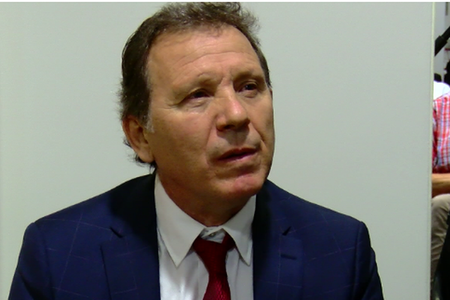
A ekziston mundësia e një zbutjeje të shpejtë të tensioneve? Në shkurt, UEFA njoftoi se Kampionati Evropian nën 21 vjeç i vitit 2027 do të mbahet në Serbi dhe Shqipëri, me ndeshjen hapëse në Novi Sad të Serbisë dhe finalen në kryeqytetin e Shqipërisë, Tiranë. Ishte kryesisht sipërmarrësi Armand Duka, i cili është gjithashtu president i Federatës Shqiptare të Futbollit, ai që nxiti për organizimin e përbashkët të ndeshjes. Duka është anëtar i Komitetit Ekzekutiv, organit më të lartë të UEFA-s, që nga viti 2019.
Sports officials and diplomats from both countries see the tournament as a sign of rapprochement, as well as a contribution to the "Open Balkans" economic initiative. However, nationalist fan groups voiced their opposition. Members of the Albanian fan association sprayed the headquarters of their football association with red paint. They also displayed historical photos of Serbian military operations in Kosovo. They also conveyed the message: "We reject any collaboration with murderers."
Whether the 2027 European Championship can be held in both countries also depends on the political relationship between Serbia and Albania. This Saturday's World Cup qualifying second leg between the two nations will be a key indicator of this. / Adapted from NZZ /


Lini një Përgjigje