


 Shkruar nga Pamfleti
In 2023, only 22,210 babies were born in Albania, the lowest number since 1934, when births were recorded on an annual basis. The decline in births has accelerated in the last two years, surpassing even the pessimistic scenarios of INSTAT in population projections. Women are giving birth to fewer children than they want, pushing fertility rates below 1.2 in 2023 and classifying the country as a demographic crisis. Local experts note that, in addition to immigration, there are several economic factors, such as the high costs of housing and pre-university education, that are preventing women from having the children they want. How are European countries acting?
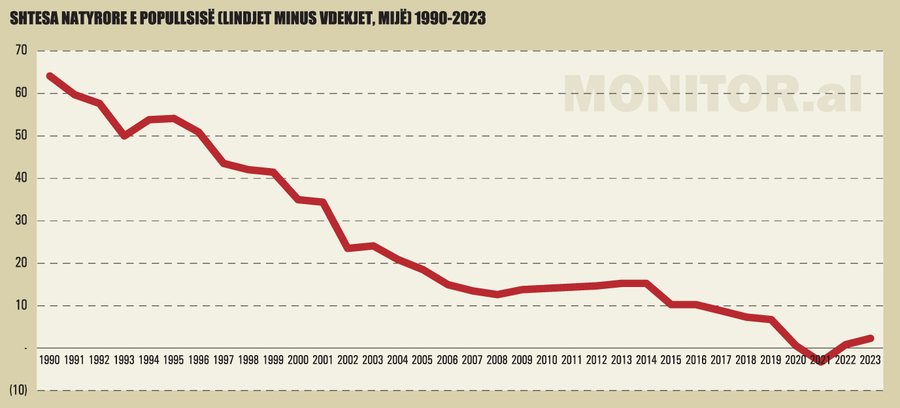
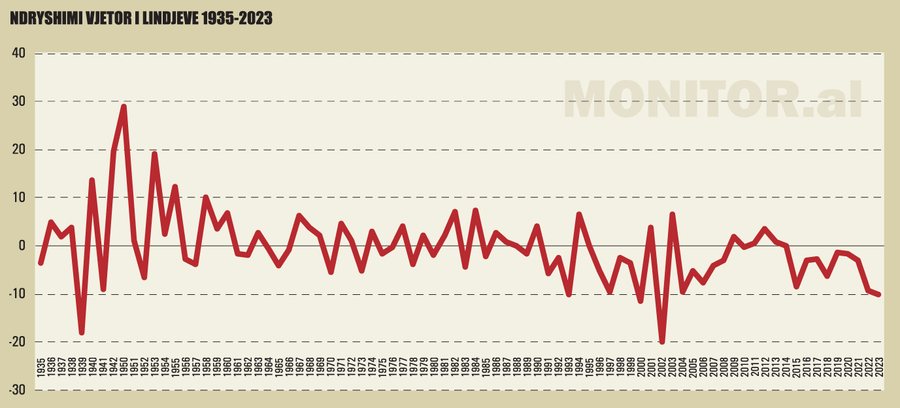
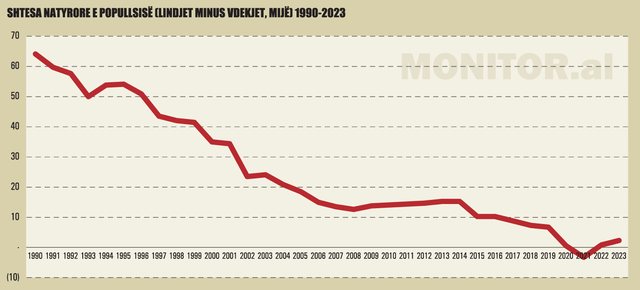
Fertility rates have fallen steadily in these three decades, but in the last two years, they have accelerated, signaling a worsening of the phenomenon in the coming years.
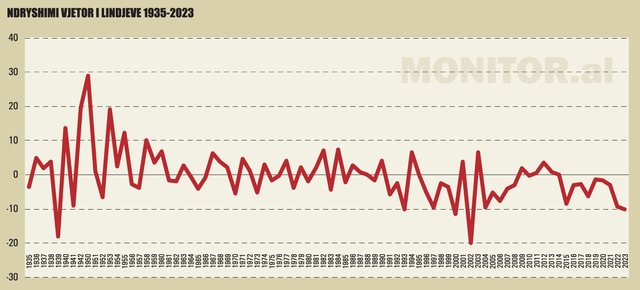
In 2023, just 22,210 babies were born across the country, the lowest level since 1934 when official annual data was reported.
The data show that even in the Second World War, more people were born in Albania than today. For example, in 1942 over 36 thousand babies were born at a time when the number of women of reproductive age was lower than today.
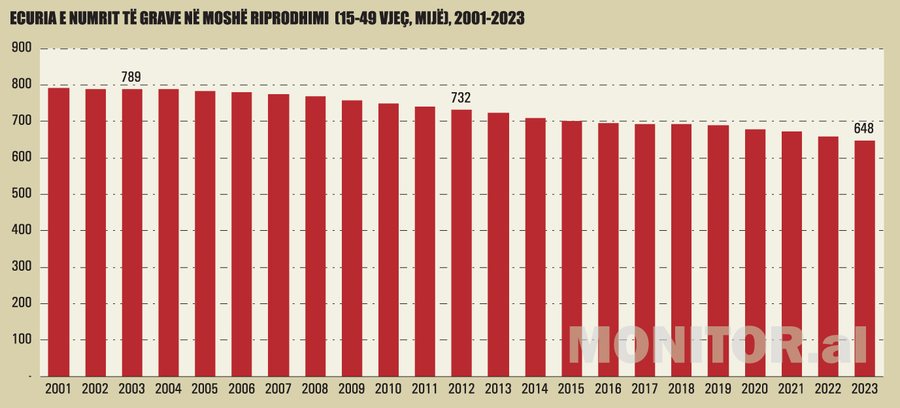
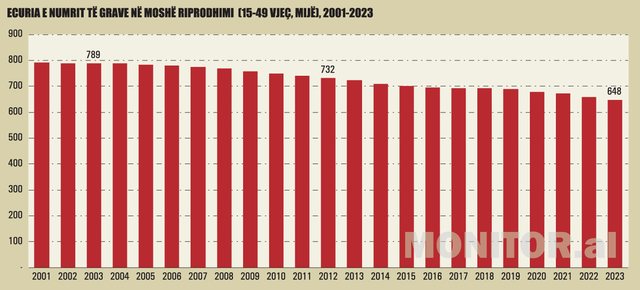
In 1950, when the communist dictatorship regime was established, 47,291 babies were born, according to data from the INSTAT archives, while the number of women of reproductive age (15-49 years) was only 259,472 thousand.
Just over 22,000 babies were born last year, while the number of women of reproductive age was 647,884, or three times higher than in the 1950s.
It is understandable that since the 50s-60s, Albania, like Europe, has evolved in terms of family planning, gender equality, the integration of women in the labor market, but in our country there is still a greater percentage of women who give birth to fewer children than they want.
Demographers and sociologists are worried that births in Albania have fallen beyond all predictions.
The pessimistic scenario for population growth until 2060 developed by INSTAT predicted that in 2023, 27,281 babies would be born, but in reality only 22,210 were born, or 19% less than the most pessimistic expectations.
Majlinda Nesturi, gender statistics expert at the United Nations office in Albania, said that the emigration of the reproductive age population has the highest impact on the decline in births among all other factors.
Ms. Nesturi says that there is also a lower tendency for births, which is not foreseen in the projection hypotheses.
The 2019-2031 population projections from INSTAT did not take into consideration the high immigration rates and the decline in fertility, so the demographic indicators have had a higher deterioration compared to all scenarios.
Experts claim that the policy is too late to implement a set of measures, which should focus on curbing immigration and identifying tools that can help young couples to have children.
Professor Ilir Gëdeshi, who has been studying phenomena related to emigration for years, notes that interventions for the emigration of young people should be done in two directions.
First, emigration, especially of the brain, must be curbed and this can be achieved by providing better prospects for young Albanians to stay in Albania for their education and then career.
The second intervention concerns the creation of conditions for the return of those who left, especially those who study abroad, as they are a valuable asset that can provide comprehensive assistance.
Ermira Galanxhi, experienced expert in demographic issues, said that interventions are needed to improve the economic situation of young families.
According to her, a detailed examination of the needs of young families by region is needed and then a package of policies to help them with the costs of raising children should be drawn up.
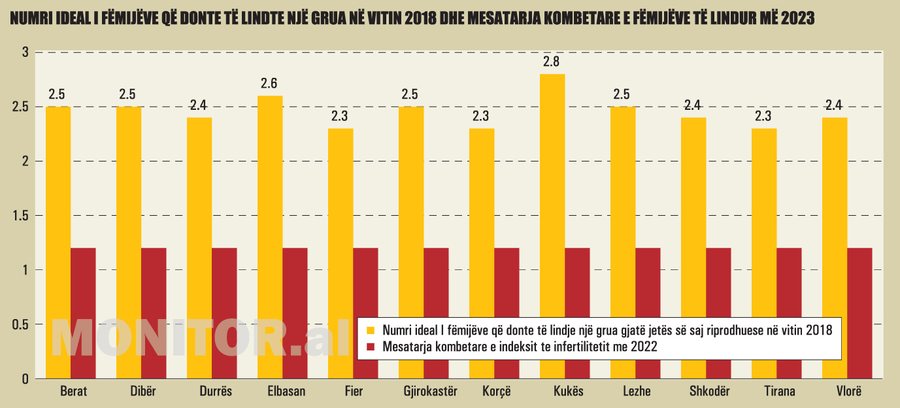
In Albania, women are giving birth to fewer children than they want
Despite the economic and social changes, Albanian society still preserves the values of tradition and family. Albanian women still want to give birth to more children than they have.
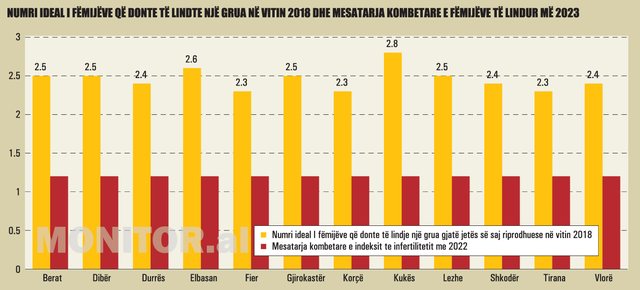
Data from the Demographic and Health Survey, which was conducted in 2018, showed that a woman of reproductive age (15-49 years) will give birth to more than two children.
Six years ago, women were asked what was the ideal number of children they would like to have in their lifetime. The results showed that 100 women wanted to give birth to at least 250 children, a figure higher than the parental replacement rate that guarantees natural population growth.
Indeed, these women gave birth to far fewer children than they would have in their ideal. Six years after the survey, 100 women of reproductive age had given birth to only 121 children, not even half of what they considered ideal in 2018.
The practices of other countries, which have experienced the decline of fertility rates before us, show that the most effective tool was the support of newly married families.
In 2003, Spain adopted a fertility reform in which working mothers with children up to three years old were exempted from personal income tax. Tax breaks were extended to mothers who gave birth to more children. Also, a baby bonus of 2,500 euros was given for each birth.
Many of these facilities were withdrawn in 2010 as a result of the economic crisis, but studies found that births in Spain between 2004 and 2010 increased by 5%.
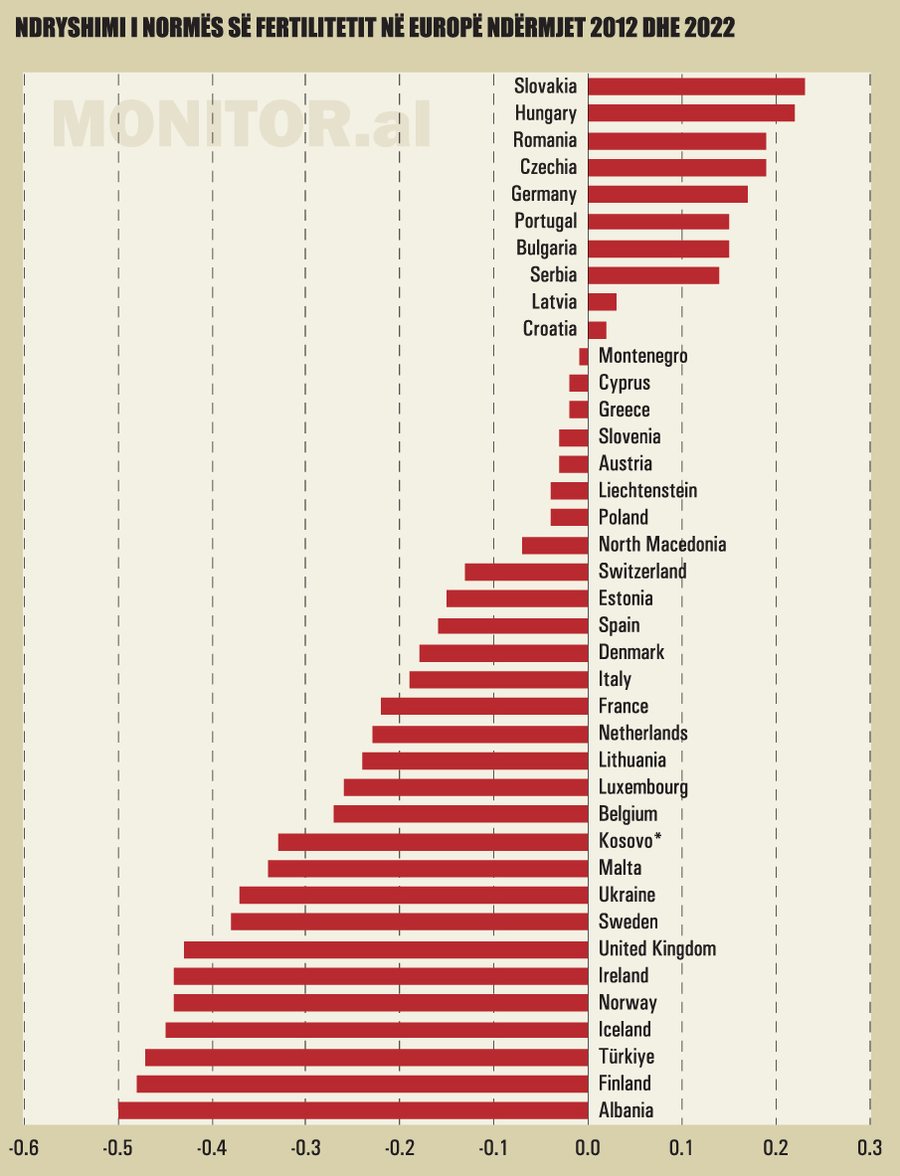
2012-2022, Albania with the greatest decline in fertility in Europe
Të dhëna të krahasueshme të Eurostat tregojnë se Shqipëria ka parë rënien më të madhe të fertilitetit nga viti 2021 deri në vitin 2022. Të dhënat zyrtare nga Eurostat tregojnë se norma e lindshmërisë në Shqipëri ishte 1.71 fëmijë për grua më 2012 dhe në vitin 2023 zbriti në 1,21 fëmijë për grua.
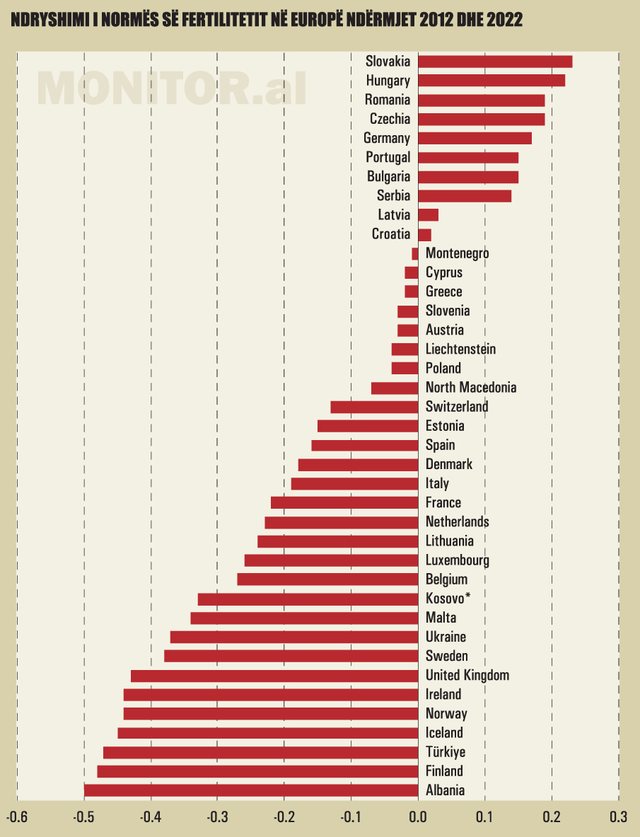
Kjo do të thotë se në vitin 2012, në vendin tonë 100 gra lindën 171 fëmijë, ndërsa në vitin 2022, po 100 gra lindën vetëm 121 fëmijë. Duke i krahasuar të dhënat me vendet e tjera europiane shihet se Shqipëria ka rënien më të madhe të lindshmërisë për grua me 0.5 fëmijë më pak se në vitin 2012.
Në vitin 2022, sipas Eurostat, Shqipëria la pas vetëm Spanjën, Ukrainën dhe Maltën që raportuan më pak se 1,2 fëmijë për grua. Në vitin 2022, edhe Italia ishte më mirë se Shqipëria me normë fertiliteti 1,24 fëmijë për grua. Rënia e madhe lindjeve më 2023 pritet të përkeqësojë treguesin e lindshmërisë nën 1,2 fëmijë për grua.
Nga ana tjetër, edhe në vitin 2022, Franca kryesoi Europën me normën më të lartë të lindshmërisë me 1,79 fëmijë për grua, e ndjekur nga Rumania, Mali i Zi, me nga 1.71 fëmijë për grua.
Aktualisht në Europë, lindjet kanë rënë poshtë shkallës së zëvendësimit të popullsisë 2.1 për grua, çka do të thotë se popullsia e kontinentit, pa llogaritur emigracionin, është në rënie. (shiko grafikun Ndryshimi i normës së fertilitetit në Europë ndërmjet 2012 dhe 2022)
Shtyrja e moshës për martesë, synimet për karrierë dhe në shumë raste pamundësitë ekonomike po bëjnë që gratë shqiptare të lindin gjithnjë e më pak fëmijë.
INSTAT raportoi se në vitin 2022, lindshmëria ka rënë për grupmoshat 20-24, 25-29 dhe 35-39 vjeç, ndërsa për grupmoshat më të vjetra ka shënuar rritje të lehtë. Në vitin 2022, mosha mesatare në lindje është 29,5 vjeç.
Gjithashtu raporti gjinor në lindje është përkeqësuar, pasi për çdo 100 vajza të lindura, lindën 107 djem më 2022. Ky raport është më i lartë se raporti natyral, që është 105 për vendin tonë.
Koeficienti Bruto i Riprodhimit (KBR) është një tregues i mirë për matjen e rritjes së brezave të ardhshëm. Ai mat normën me të cilën gratë zëvendësojnë veten gjatë viteve të jetës riprodhuese. Mënyra e llogaritjes së KBR-së është e njëjtë me atë të ISF-së, por në këtë rast merren parasysh vetëm lindjet e bebeve femra.
Në vitin 2022, KBR-ja është 0,59, që do të thotë se gratë në Shqipëri janë rreth 41% larg zëvendësimit të vetvetes. Ky tregues ndikohet direkt nga sjellja riprodhuese e grave.
Me këtë ecuri, popullsia e Shqipërisë pëson rënie në mënyrë të pakthyeshme, pasi do të ketë gjithnjë e më pak femra, të cilat janë baza e riprodhimit.
KBR-ja po përkeqësohet me shpejtësi pasi në vitin 2021, ishte 0,63, që do të thotë se gratë në Shqipëri janë rreth 37% larg zëvendësimit të vetvetes. Treguesi ndikohet drejtpërdrejt nga sjellja riprodhuese e grave dhe nga preferenca për të lindur djem.
Emigracioni i të rinjve thellon plagën e lindjeve
Several surveys and methodologies developed by INSTAT and various non-governmental organizations indicate a worsening of the immigration phenomenon in the third decade, since the fall of the communist regime. One of them, which measures emigration and diaspora, shows that from 2011 to 2020, about 600,000 people left the country.
Other data from Eurostat report that 80% of asylum seekers from Albania are under 35 years old. As the data show, the most vital part of the population is emigrating to create a family. The emigration of young people is also reflected in another indicator, the baby bonus.
Government spending to financially reward newborns increased from 2019-2022, but on the other hand, births in the country during the same period fell faster. Year after year, the bonus was benefited by children with Albanian parents who were born abroad, but who still have civil status in Albania.
Babies born in 2023 were down over 11% compared to 2022, but baby bonus payments were up. The baby bonus in more than 40% of its value has gone to babies born abroad, despite the fact that the government intended to use this financial tool to improve births in the country.
From 2019 to the end of 2023, the government has paid out over 141 million euros in the form of a baby bonus, but on the other hand, the number of births in the same period has dropped by 22%.
At the end of December last year, the Council of Ministers approved a condition, in which the bonus is benefited by parents of babies who had 180 days in Albania in the previous year. These data will be obtained from the TIMS system.
Also, the government decided that the bonus should be benefited by foreigners who have settled in Albania as asylum seekers or refugees, who decide that their child's citizenship should be Albanian.
The total number of beneficiary babies, according to the Monitoring data of the Ministry of Health, is for 161,943 newborns. Based on the number of births for the years 2019-2022, according to INSTAT data, it is 108,535 births, which means that 33% or 53,408 babies benefiting from the bonus live abroad.
In Albania, the decline in births has been more aggressive due to high emigration in recent years. A survey by "Gallup International" ranked Albania among the top 10 countries in the world for the high rate of emigration in the period 2019-2021. /Monitor







Lini një Përgjigje