


 Shkruar nga Pamfleti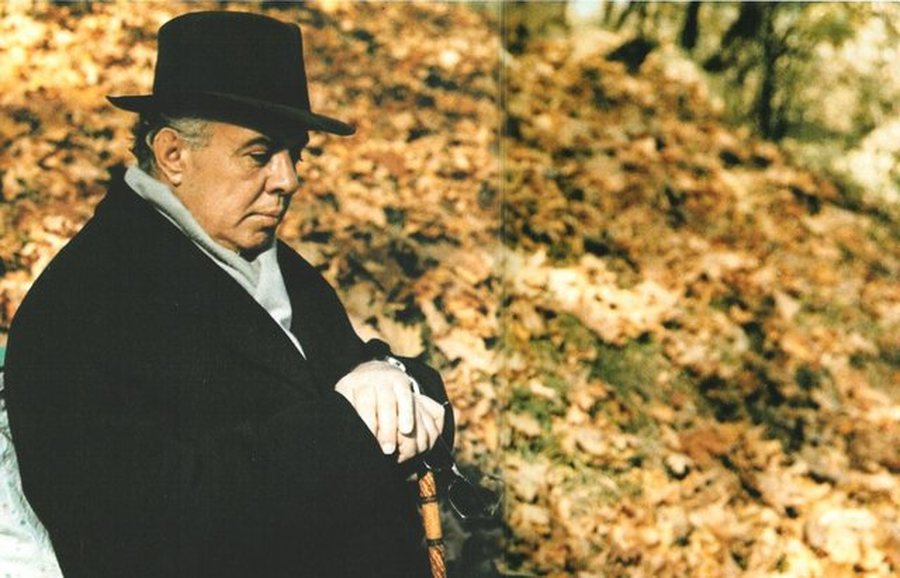
The article of "The Times, from 1985, authored by the journalist David Binder, its correspondent in the Balkans -
On June 18, 1984, Albanian soldiers shot three French divers from "Club Mediterranee" in broad daylight, killing one of them. On September 16, other border guards killed a Greek forester at the border. Such news reports about Albania seem far from ordinary – with pillboxes and concrete bunkers dotted around the countryside, a tough foreign policy, a national anthem that includes the line "with pickaxe and rifle" and a history of internal oppression. . What is surprising, despite such incidents, Albania is a lonely country, which until recently was always a client of a great communist power, seems to be gradually coming out of an isolationist shell and looking for new relations in the West and East.
Even more surprising is the fact that this is happening while Enver Hoxha, the Albanian communist leader for the last 43 years, is still alive. He is widely regarded as brutal and paranoid. Thus, the Albanian enigma is posed again: Is this enigmatic country with its old communist leadership on the verge of another surprising change?
Few would deny that Albania is an enigma, as it has been for the last four decades, one of the least accessible countries in the world, turning politically into enmity with its successive patrons, in that period such as: Yugoslavia, the Union Soviet and China.
Albanians are descendants of one of Europe's oldest known peoples, the Illyrians, and yet their nation-state, formed by order of the great powers in 1912, is one of the youngest in Europe. It is a relatively small, mostly mountainous country, slightly larger than the state of Maryland, with a population the size of metropolitan Boston – about 3 million. It is certainly the poorest country in Europe.
Its boast of being a bastion of Stalinist communism, uninterested in developing relations with major Western countries, has discouraged contacts, and its record of executing people considered rivals within the leadership has been abhorrent. But its location, its strange politics and its disputes over ethnic problems with its near neighbors – Greece and Yugoslavia – make it critical to the delicate political balance on the Balkan peninsula.
There is now a new dynamic in Albania, as a result of the rapid growth of the population. (Demographic studies show a birth rate roughly three to four times higher than that of the rest of Europe. The average age of the population is 26.) Authorities in Tirana, Albania's capital, estimate that the population will reach four million, in 15 years. This thing has an irredentist nationalist spirit, because Mr. Hoxha declared in 1981 that; "We are six million", a figure that also included Albanians living in Yugoslavia, Turkey and Greece.
Over the past year, Albania has cautiously reopened some of its long-closed gates to the West. At the same time, a change of the old "Guard" seems to be happening in Tirana, with the people who entered the communist leadership 40 years ago, as Wartime revolutionaries, gradually being replaced by younger cadres, men and women. These trends, combined with Mr. Hoxha's infrequent public appearances and apparent ill health, have increased interest in Albanian developments.
For almost three decades, Albania has not allowed American journalists to enter the country. Twenty-one years ago, I started applying for a visa to visit Albania from Yugoslavia. The Albanian consul in Belgrade was cordial, but he was determined to reject the request. Letters addressed to Tirana over the years remained unanswered, although eventually my name was placed on the official mailing list for Albanian propaganda. Recently, a telephone request addressed to the Albanian Mission to the United Nations, for a meeting with a diplomatic representative, brought this answer: "You cannot talk to anyone, at any time."
So what follows is a summary of what is known and unknown about Albania, from the official reports of the Tirana government, from the reports of some Western academics and correspondents who have visited Albania, and from Albanians who have fled in recent years. Mr. Hoxha, the head of the Communist Party, who turned 76 on October 16, is reported to be so ill that in his most recent public appearance, at a sports rally in Tirana on October 20, he walked with helpers his.
He apparently has not spoken in public since the beginning of the year. Often, he had to miss important activities and events and only sent "greeting messages". Therefore, questions are being raised about what can happen in Albania after the death of Mr. Hoxha. When the Albanian Communist Party was formed in Tirana, in 1941, with two Yugoslav communist emissaries, who served as assistants to Mr. Hoxha, (a former school teacher), who was elected its first secretary. He has held that position ever since – a unique record in European communism.
Në Jugosllavi, ekziston një nervozizëm thuajse i dukshëm se një Shqipëri post-hoxha, mund të rrëshqasë disi në orbitën e Bashkimit Sovjetik, i cili luajti një rol dominues, në çështjet shqiptare, nga viti 1948 deri në 1961. Jugosllavët e shohin si një pararojë çdo lëvizje në Tiranë, për të përmirësuar marrëdhëniet me aleatët sovjetikë, si Hungaria apo Bullgaria.
Megjithatë, për vite me radhë, udhëheqja e Hoxhës, ka kritikuar Bashkimin Sovjetik dhe Shtetet e Bashkuara, në masë të barabartë si superfuqi “imperialiste”, politikat e të cilave kërcënojnë paqen botërore në përgjithësi dhe aspiratat e kombeve më të vogla, drejtpërdrejt. Ndryshimi më i mrekullueshëm në politikat e jashtme të Tiranës në gati një dekadë, ka qenë hapja e fundit e Shqipërisë ndaj Perëndimit – kryesisht drejt Italisë, e cila pushtoi Shqipërinë, në Luftën e Dytë Botërore. Një marrëveshje e re dhe më e gjerë tregtare, u përfundua marsin e asaj periudhe në Tiranë, nga Nicola Capria, ministri italian i Tregtisë së Jashtme dhe Shane Korbeci, homologu i tij shqiptar.
Gjithashtu, dy qeveritë nënshkruan një marrëveshje kulturore që kërkon ngritjen e një katedre për gjuhën italiane në Universitetin e Tiranës dhe mësimin e italishtes në shkollat e mesme shqiptare. Në të njëjtën kohë, u nënshkrua një marrëveshje bashkëpunimi midis ATSH, (Agjencia Telegrafike Shqiptare) dhe ANSA, agjencia italiane e lajmeve; Me këtë rast, ANSA iu dha një intervistë e rrallë, e nivelit të lartë nga zëvendëskryeministri Manush Myftiu.
Nëntorin e atij viti, Shqipëria hapi shërbimin tregtar të trageteve midis portit të Durrësit dhe Triestes. Parashikohet gjithashtu shërbimi me traget përmes ngushticës së Otrantos për në Brindisi. Shqiptarët shprehën gjithashtu interesin që koncernet italiane, të ndërtojnë një impiant të ri telekomunikacioni, një projekt hidroelektrik dhe fabrika të tëra, në këmbim të mallrave shqiptare.
Megjithatë, ka pengesa të mëdha për të çuar më tej kontakte të tilla, duke përfshirë refuzimin e Tiranës në vitet e fundit për të pranuar kredi të huaja, kredi apo ndihmë financiare në çdo formë dhe këmbënguljen e saj për kontrata me kohëzgjatje maksimale njëvjeçare. Si rezultat, pjesa më e madhe e tregtisë së saj të jashtme ka marrë formën e shkëmbimit, ku shqiptarët u ofrojnë partnerëve të tyre tregtarë krom dhe naftë, në këmbim të mallrave të përpunuara. Pak vende Perëndimore janë mësuar të bëjnë biznes në këtë mënyrë dhe italianët janë shumë skeptikë ndaj projekteve më të mëdha dhe afatgjata në Shqipëri.
Politika e Shqipërisë vetëm u përfol se ishte në qendër të një përçarjeje të thelluar, midis zotit Hoxha dhe bashkëpunëtorit të tij të ngushtë, ish-kryeministrit të ndjerë Mehmet Shehu, i cili ose u vra ose u vetëvra, gjatë një seance mbledhje të Komitetit Qendror të Partisë së Punës së Shqipërisë, në dhjetor 1981. Vdekja e kryeministrit 73-vjeçar, u pasua nga spastrimet e katërta të mëdha, në rrethin e ngushtë të udhëheqjes që nga viti 1948.
Bashkëpunëtorët dhe të afërmit e zotit Shehu, u arrestuan menjëherë si; “armiq të popullit”. Të paktën katër prej tyre, përfshirë ministrat e Mbrojtjes, të Brendshme dhe të Shëndetësisë, si dhe shefi i policisë sekrete të qytetit të Vlorës, u ekzekutuan në shtator 1983, me skuadra pushkatimi, sipas shqiptarëve të arratisur në Perëndimi.
Pasardhësi i z. Shehu si kryeministër, Adil Çarçani, është 62 vjeç. Në moshën 59-vjeçare, Ramiz Alia, kreu i shtetit dhe pasardhësi i supozuar i kryesisë së partisë së zotit Hoxha, është 11 vjet më i ri, se paraardhësi i tij. (Ai mund të llogaritet si pjesëtar i revolucionarëve të kohës së Luftës, pasi u bashkua me Brigadën e Shtatë Sulmuese, kur ishte 19 vjeç. Z. Alia ka shërbyer edhe si ideolog i partisë.)
Ndryshimi i “Gardës” së vjetër, është më i dukshëm në nivelet e radhës të drejtuesve partiakë dhe qeveritarë, me ardhjet e fundit, si; Lenka Çuko, anëtare e Byrosë Politike; Zëvendëskryeministri Besnik Bekteshi dhe sekretari i Komitetit Qendror të Partisë, Vangjel Çerrava. Të gjithë janë në të 40-at.
Nikolaos A. Stavrou, një profesor i shkencave politike në Universitetin e Harëardit, i cili shkroi tezën e tij të masterit mbi elitën e pushtetit në Shqipëri, thotë se hulumtimi i tij tregon se Komiteti Qendror i Partisë Punës së Shqipërisë, ka moshën mesatare më të re nga çdo parti komuniste dhe përqindjen më të lartë të grave, në poste të larta. Përveç Lenka Çukos, anëtares së Byrosë Politike, janë ministrja e Bujqësisë, Themie Thomai, ministrja e Arsimit dhe Kulturës, Tefta Cami dhe ministrja e Industrisë së Lehtë dhe Ushqimore, Vito Kapo.
Bashkëshortja e zotit Hoxha, Nexhmije, prej vitesh ka mbajtur poste kyçe, duke përfshirë edhe drejtimin e Institutit të Marksizëm-Leninizmit – Shkollës së Lartë të Partisë. Ndonëse është pothuajse e pamundur të mësosh diçka rreth punës së brendshme të udhëheqjes, është gjithashtu e vështirë të marrësh informacion të drejtpërdrejtë, për jetën e përditshme në Shqipëri.
Turistët – rreth 3000 në vit – shohin vetëm fragmente të kontrolluara me kujdes. Vizitorët që thërrasin të afërmit, janë betuar për heshtje. Historitë e të arratisurve, nuk mund të verifikohen lehtë. Malet e thyera dinarike dominojnë Shqipërinë, me plotësisht dy të tretat e vendit, të shtrirë mbi 3000 km. Vetëm rreth 13 për qind e tokës është e kultivuar, megjithëse më shumë po rikuperohet gradualisht nga skajet moçalore – dhe më parë malarike – të rrafshinave bregdetare. Në malësi, pemët e dushkut, arrës, ahut, pishës dhe bredhit, janë të shumta, ndërsa fiku, ulliri dhe agrumet, kultivohen në zonat e ulëta të bekuara me klimë të butë.
Life is difficult, as it has been for most Albanians over the centuries. The mandatory work week is 48 hours. Privately owned automobiles do not exist. The number of televisions (in 1981 there were 45,000) is gradually increasing. But for a country that had only two radio transmitters in 1945, improvements in communications are essential. Radio-Tirana's powerful shortwave broadcasts of its English-language program are clearly audible in this country.
A recent edition of the Albanian Government's English-language magazine, "New Albania", shows a group of well-dressed female students in floral print dresses and blouses and mid-knee skirts at the entrance to the University of Tirana. Their younger sisters are seen in other pictures wearing tied lace collars, black aprons, white stockings and sandals with red straps.
The younger girls appear in white dresses with large red stars at a gathering of War veterans. Hartmut Albert, a German researcher who recently spent four weeks in Albania, wrote in an essay: "The style of clothing for women is relatively modest, simple, without fashionable accessories. The length of the skirts is determined by a very strict norm".
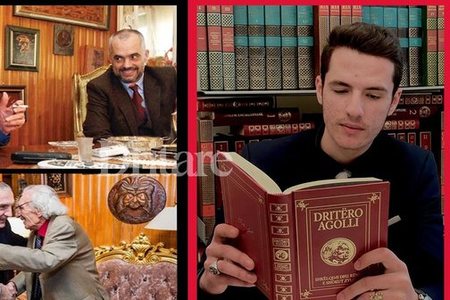
Unlike in the past, men do not wear beards. Long-haired male visitors from the West are likely to undergo a barber on arrival at the border, or at Rinas airport near Tirana. With all the austerity measures, what should be done with the "puppy" published in March, by Dritero Agolli, president of the League of Writers and Artists of Albania, in the periodical "Drita"! The part titled; "The anti-petty bourgeoisie", he shouts:
“Nihilist laments, like me
despise them!
Wailing: Ah! Why not
they make frills panties
with silk lace;
Wailing: Ah! Our backs
are bent on thrift,
saving and more saving;
Wailing: Ah! For a duck
microwaved, oven”.
Mr. Agolli continues talking about traveling abroad; "no matter where", seaside villas and cosmetics, and then denounces the hedonists who covet them as "cretinous creatures". Apparently, there is a new small class of bureaucrats who have managed to acquire relative luxury. /Memorie.al


Lini një Përgjigje