


 Shkruar nga Pamfleti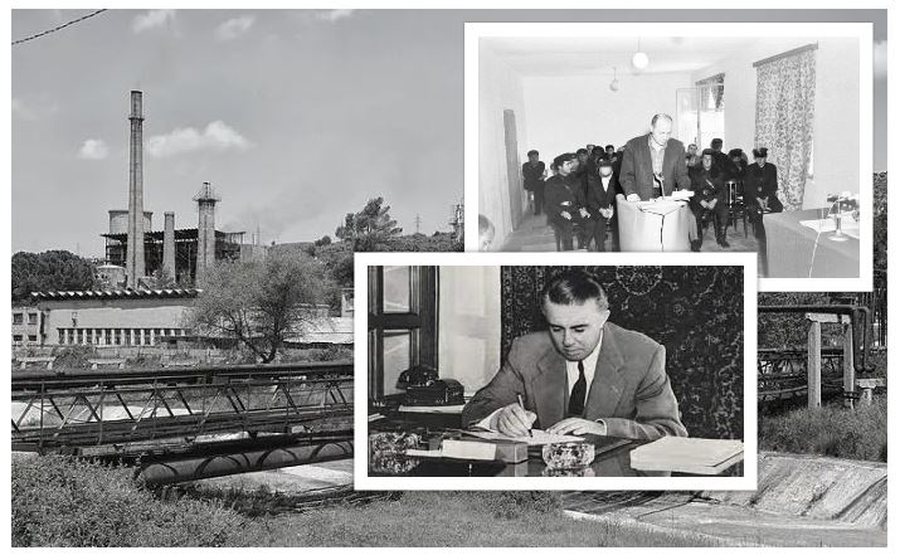
Today marks 1 year since the death of the engineer and geologist, prominent personality of the Albanian oil intelligence, Mr. Nuredin Skrapari. His impressive contribution to the search and discovery of new oil sources was tragically connected with his human drama, arrested and politically punished by the communist regime in 1974. Nuredin Skrapari was born in the village of Bubullimë in the district of Lushnje, in May 1944 and completed secondary school ("Technicum of Petroleum"), in the branch "Geology". In the years 1962 - '64, he was employed in the General Directorate of Oil in Kuçovo, with survey groups for the discovery of oil and gas sources.
In 1969, he finished his studies at the University of Tirana, at the Faculty of Geology-Mining, with excellent results, graduating as "Geological Engineer", to work immediately after graduation at the Oil and Gas Research Institute in Kuçovo and then in Fier, with the geological survey groups, until March 15, 1974, the day he was arrested. Nuredin Skrapari is the co-author of the preparation of geological maps and the design of deep oil wells in Skrapar, Finiq (Saranda), Delvinë, Cakran (Fier), etc.
The communist regime put an end to his voluminous and quality work for the benefit of discovering new oil sources, arresting and convicting him, on May 10, 1974, in the trial held in Kučovo, with 10 years of imprisonment for agitation. and propaganda and breaking the portrait of the dictator. Nuredini served his sentence in Spaçi prison. On February 22, 1979, he was arrested for the third time and re-sentenced to 18 years in prison, with the motivation of "Participation in a counter-revolutionary and revisionist organization, for the overthrow of popular power."
In May 1984, Nuredini was transferred to the prison of Qafë-Bar, where he played an important role in the well-known revolt of the political prisoners of this prison. The revolt was suppressed with terror and the convict Nuredin Skrapari was brutally tortured and after the hospital-prison, he was sent to serve his sentence in the prison of Burrel. With this tribute, bowing with respect to his memory and contribution, I have the honor to give some considerations for his scholarly work: "The Tragedy of Oil Intelligence".
Many may have read about "hostile groups sabotaging the economy" during the communist dictatorship in Albania. But Nuredin Skrapar's book, entitled "The Tragedy of Oil Intelligence", shines in terms of its truthfulness, the many facts, the naked exposure of the communist regime, the deep humanity and the manly and patriotic attitude of the majority of the cream of Albanian scientists and specialists, who made possible the discovery of new oil sources in Albania.
It was their contribution that drilling wells and oil production took an upward trajectory, in the years 1968-1972, to reach the record figure of 2.5 million tons of oil. produced in 1976. Based on international stock exchange prices at the time, this amount of oil. was equal to the value of a quarter of a billion dollars. But the dictatorship did not recognize the technical condition of ineffective drilling. in the multitude of open wells.
While in the USA, around 50,000 open barren wells were accepted per year, for several dozen such open wells in Albania, the dictatorship raised accusations of sabotage and the work of foreign agencies. Then, the employees of the State Security devised spies, agents and saboteurs with extraordinary zeal, among the most hardworking and patriotic people that the history of Albania has known, in the years 1945-1990.
The publication "Tragedy of oil intelligence", a book divided into small parts with interesting subtitles, as engineers know how to write, describes with chilling truth events and facts about the tragedy of oil intelligence, from 1946 to 1991. The author of the book was no more than 32 years old when he was publicly arrested on the absurd charge of being a saboteur. Scientist Koço Plaku, accused as the leader of the group, in one of the hearings, addresses the investigator: "And these two, Nuredin Skrapar and Kadri Rama, why did you arrest them?! They are smart guys and skilled specialists in the fields of oil discovery and exploration. Get these people out of jail..."!
This implies how much this young geologist specialist and his fellow Vlonjat promised and what havoc the communist dictatorship was wreaking with its nonsense in the ranks of the tried and experienced intelligentsia of the Albanian oil and the new one that was being born. The tragedy of the so-called saboteurs or hostile groups, which really constituted a genocide against the oil intelligentsia, begins with the conviction of the scholar, the eminent Polish geologist Stanislav Zuber in 1947.
The Polish professor, Zuber, left as a legacy a geological and tectonic map of Albania, worked out in detail, which is still used today by our geologists. With the wells he designed in Kučovo in 1928 and in Patos, in 1942, he managed to extract industrial oil in the sandy areas. With the coming into power of the communist regime, he will be arrested as an agent of the Italians and will be left to die in prison by the kicks of the guard, in the most animalistic way.
However, with his many maps and studies, the work in geology continued, discovering mineral and hydrocarbon sources, and even sources of drinking water. At this time (year 1947), the first group of oil intelligence is punished, with personalities such as; Professor Zuber and the engineers Riza Alizoti, Thoma Pojani, etc. (in addition, for Prof. Zuber, Nuredin Skrapari and the author of this tribute, we recommend reading the book by Prof. Arqile Teta, dedicated to the life and activity of the outstanding Polish professor ).
Pas largimit të specialistëve rusë, në vitin 1961, gjeologët shqiptarë arritën të zbulojnë tre vend-burime të reja në Visokë; Patos më 1963, Ballsh 1964, Gorisht më 1967. Sipas Nuredin Skraparit, autori i këtyre zbulimeve me vlerë të jashtëzakonshme për ekonominë shqiptare, ishte Koço Plaku, i mbështetur nga kolegët e tij; Milto Gjikopulli, Beqir Aliaj, Protoko Murati, Dhimitër Stefa, Jani Konomi, Akademik Teki Biçoku, Kadri Rama, Nuredin Skrapari, Thanas Nasto, Niko Goxhobashi, etj.(shih faqet 77-78 në libër), të gjithë të arrestuar e dënuar si sabotatorë, pas vitit 1974.
Pas prishjes me kinezët, ekonomia shqiptare përfundimisht filloi të merrte të tatëpjetën. Qeveria dogmatike nxori teorinë shkatërruese, të mbështetjes në forcat e veta, pa ndihmë nga jashtë. Në vijim të bunkerizmit të Shqipërisë, prodhimi i naftës që filloi të quhet “ari i zi” u bë jetik për ekonominë shqiptare. Kërkuesit e naftës dhe punonjësit e Institutit të Kërkimit të Naftës, u vunë para një trysnie të pazakontë: Me çdo kusht të zbulohen vend-burime të reja! Byroja Politike e Komitetit Qendror të PPSH-së, nxori dhe një vendim të posaçëm lidhur me rezervat e saj. Por nafta, nuk mund të nxirrej me vendime partiake.
Në vitin 1970, prodhimi i naftës po shkonte në rreth 2 milionë tonë. Enver Hoxha, ulërinte në mbledhjen e Byrosë Politike: “Duam naftë”! Lidhur me këtë, inxhinieri Nuredin Skrapari shprehet: “Diktatori Enver Hoxha, aty nga fillimi i marsit 1975, priti në një takim prej 10 minutash, drejtuesit kryesore të naftës, Lipe Nashin, Drejtor i Përgjithshëm i Naftës, gjeologun Beqir Alia, në detyrën e Drejtorit të Institutit të Naftës, gjeologet Protoko Murati, Milto Gjikopulli (shefa sektori), gjeologun Koço Plaku, si shef i kabinetit të përgjithësimeve, i projektimit të puseve të thellë – (fq. 32 në libër, fragmenti i fundit)”…Enver Hoxha ishte mosbesues ndaj nesh dhe Lipja këtë e kuptoi, kur ai nëpër dhëmbë kishte mërmëritur dy fjalë shokuese, siç i kishte zbërthyer Lipja: “O planin, o xhanin”!
Byroja Politike nxori në atë kohë thënien famëkeqe, se: “Shqipëria lundron në naftë, por nuk kemi specialistë ta zbulojnë”. Ekonomia kërkonte naftë dhe prishja e marrëdhënieve me Kinën e rëndonte më shumë problemin. Atëherë, Enver Hoxha ri-shpiku ekzistencën e grupeve armiqësore në naftë dhe, si ndodhi në vitin 1947, “zbuloi” grupin e dytë armiqësor në naftë. Në librin e tij, Nuredin Skrapari shkruan: “Në datën 15 mars 1974, unë Nuredin Skrapari, u arrestova në mënyrë publike.
Jeta ime u përmbys plotësisht. Më 25 mars 1975, arrestohen Lipe Nashi, Beqir Alia, Protoko Murati, Milto Gjikopulli, Koço Plaku. Katër muaj më parë, më 29 nëntor 1974, Lipe Nashi dhe Koço Plaku, kishin marrë titullin: ‘Hero i Punës Socialiste’. Kjo gjueti vazhdoi me arrestimin e dhjetëra specialistëve të tjerë, nga më të mirët dhe të aftët, në nxjerrjen e naftës. Numri i kaloi 80 personat”.
Absurdi i gjyqit arriti kulmin, kur Prokurorja dhe Kryetarja e trupit gjykues, do të deklaronte: “Vend-burimet e naftës nuk i keni zbuluar ju armiq dhe sabotatorë, por partia dhe shoku Enver”. E gjitha kjo i ngjante një gjyqi të inkuizicionit mesjetar, me Prokurorë të vërtetë Haki Toskën dhe Kryetar real të trupit gjykues, Adil Çarçanin.
Filloi një kalvar i gjatë vuajtjesh, për të gjithë ata shkencëtarë-heronj, që ishin krenaria e inteligjencës shqiptare, me punën e bërë në zbulimin e vend-burimeve të reja, deri në atë kohë. Akuzat ishin të rënda; “agjentë të shërbimeve të huaja, që qëllimisht sabotonin ekonominë shqiptare, për të dështuar ndërtimin e shoqërisë socialiste në Shqipëri”. Thjesht, pa fjalë të tepërta, qetësisht, pa urrejtje, gjeologu i shquar Nuredin Skrapari, tregon torturat në hetuesi, për të pranuar se ishin grup i strukturua, në shërbim të agjenturave të huaja.
Autori i librit tregon, se duke qenë më i riu, mbi të u ushtrua trysni e madhe për ta thyer, që të pranonte akuzat dhe të bashkëpunonte me Sigurimin e Shtetit. Ai tregon: “U kërkua të pranonim akuzën si sabotatorë. Isha 10 vjet më i vogël se shefat e mi. Më bënë një ofertë: Je i ri. Mendo për familjen. Nuk do të bësh më shumë se katër vjet, nëse bashkëpunon me ne”.
Nuredin Skrapari nuk pranoi të bëhej bashkëpunëtor. Fisnik nga shpirti dhe me karakter te paepur, ai pranoi më mirë, një jetë të zezë me faqe të bardhë, sesa të fundoste kolegët e tij. I lodhur nga torturat e vazhdueshme në hetuesi, ai do të pohojë në libër: “Më në fund firmosa ridënimin tim. E shkretuara jetë sa e shtrenjtë paska qenë edhe në vrimën e miut ku kisha përfunduar, më dukej e dhimbsur! Isha vetëm 32 vjeç” shih faqet 32-34 në libër).
Kjo i kushtoi 16 vjet e gjysmë burg, me punë të detyruar në minierat e Spaçit e të Qafë-Barit. Për drejtuesin dhe udhërrëfyesin e tij në kontributin për naftën shqiptare, shkencëtarin e njohur, Koço Plaku, me adhurim për qëndrimin e tij burrëror në hetuesi dhe në gjyq, Nuredin Skrapari shkruan në libër: “Koço Plakut, kur i kërkonin në hetuesi të pranonte se ishte agjent i KGB-së, pohoi: Tani radhën e kam unë. Pastaj vijoi me zë të ulët: Do të doja që atdheu të na donte, ashtu sikur e deshëm ne”!
Kërdinë me intelektualët e naftës, e stigmatizon vetë Nuredin Skrapari, kur shprehet: “Ata hapën një lumë me naftë, Enver Hoxha hapi një përrua me gjakun e tyre” (po aty, shih faqet 32-34 ne libër). Me tej, autori i librit vazhdon: “Koço Plaku u përgjua në hetuesi. Në fund të monologut të tij, ishte regjistruar: Enver Hoxha e mbushi Shqipërinë me varre…”! Grupet armiqësore në naftë dhe fusha të tjera të ekonomisë, do të vazhdonin. Për ironi të fatit, në vitin 1977, arrestohen ministrat Abdyl Këllezi, Koço Theodhosi, Kiço Ngjela dhe Vasil Kati, si sabotatorë dhe dënohen me vdekje e burgim të gjatë.
Makineria e diktaturës, vazhdoi të hante bijtë e vet. Më 1986-ën, u arrestua grupi i tretë armiqësor, ku përfshiheshin; Petraq Xhaçka, Enriko Veizi, Mynyr Arapi, Petrit Sadushi dhe Luan Këlliçi, të gjithë me grada shkencore. Ishte e trishtueshme të mendojë se ndonjë nga këta, kishte shërbyer dhe si dëshmitar kundër shokëve të vet në gjyqin e vitit 1974. Fisniku fal. Nuredin Skrapari i përmend telegrafisht dhe i fal specialistët e naftës, ata që dëshmuan kundër tij dhe gjeneratës së intelektualëve të viteve ’70-të.
Gjuha e tij në libër, si dhe në jetën e bardhë që bëri, nuk kishte asnjëherë tone urrejtjeje dhe hakmarrjeje. Si një intelektual i vërtetë, që e do dhe i dhimbset Atdheu, libri i z. Skrapari “Tragjedia e inteligjencës së naftës” përfundon me shqetësimin dhe bindjen e tij, se në Shqipëri ka naftë dhe kjo mund të zbulohet. Në libër ai konstaton se prodhimi i naftës, vijoi të binte me shpejtësi.
Autori i librit shkruan: “Në vitin 1991, prodhimi i naftës ra në 900.000 ton, ndërsa në vitin 1976, ishte viti i prodhimit më të lartë, me 2.5 milionë ton naftë”. Porosia e tij, si një amanet i lënë nga ata që s’janë më dhe për ata që do të vijnë, është: “Në Shqipëri, ka ende vend-burime nafte të pazbuluara, që presin mendjen, aftësinë dhe intuitën e gjeologëve të kualifikuar shqiptarë, për t’u zbuluar. Qeverive iu bëj thirrje. për ngritjen e Institutit të Kërkimeve të Naftës, Mineraleve etj.”.
Kështu e përfundon inxhinier gjeolog, Nuredin Skrapari, librin e tij prej 120 faqesh: “Tragjedia e Inteligjencës së Naftës”, botuar nga Shtëpia Botuese “Migeeralb”, në vitin 2016, të cilin ne si Kontrolli i Lartë i Shtetit e promovuam rreth një vit e gjysmë më parë, së bashku me autorin dhe vëllain e tij të vuajtjeve e të profesionit, z. Kadri Rama. Është një tezë që përkon plotësisht edhe me rekomandimet që si KLSH, që nga viti 2014, i kemi adresuar qeverisë shqiptare, për ri-ngritjen e Institutit të Kërkimeve të Naftës, si një domosdoshmëri për gjetjen e vend-burimeve të reja, por edhe një administrim më të mirë të burimeve ekzistuese.
Me një forcë pene të veçantë, autori shprehet: “Kështu e ‘shpërbleu’ diktatori Hoxha, trurin e inteligjencës së naftës. Shpata e përgjakur e Enver Hoxhës, u ka marrë jetën shumë gjeologëve. Përbindëshi mori jetë intelektualësh rezultativë, të cilët mund të them se kanë hyrë në hierarkinë e kontributit të vlerave dhe të rezultatit, që bashkë me naftëtarët dhe minatorët, mbajtën mbi supe mbijetesën e shqiptarëve në atë izolim ogurzi. Nga mjeshtrit e kërkimit të naftës, ne më të rinjtë, u jemi mirënjohës që duke punuar përkrah tyre, morëm një dhuratë të madhe, përfituam një eksperiencë të papërsëritshme, shprehitë praktike dhe aftësinë e abstragimit”.
The "saboteurs" were a group of patriotic oil-seeking geologists who discovered large oil-resources, but with colossal profits that were appropriated by the dictatorship state. They were converted into the benefit of a house, average salary and children's education. The extraordinary joy that the discovery of the source place brought, increased our spiritual wealth, were extraordinary events, in addition to confirming the accuracy of our professional knowledge, while the statesmen returned the pilgrimage to the place and appreciated it as the result of the "colossal work of the party".
The "crystal" line of the party in the economy also failed, especially after the flattening of the oil intelligence, even the second generation. His cruelty did not manage to exterminate the resulting experience achieved by the sacrifices of Albanian geologists, for 45 years in a row, gained through a salty cost, which will bring great benefits even for today's time.
Enver Hoxha's stupidity towards the oil intelligence, from Stanislav Zuber in 1947, to Koço Plaku, in 1976 (the year of the shooting), and then to the other convicts, stemmed from the panic caused by his dependence on us, the owners of petroleum science that, apparently, we had the oil taps, the economic power, but he had our lives.
The accusation, from the rational side, was unsubstantiated, but motivated by his pride and grudge against us. He and his incompetent loyalists were afraid of the greatness achieved thanks to our ability, which stemmed from dedication in the field of oil exploration, where they had shown special skills"! (Pages 95-96 of the book). The work "Tragedy of Oil Intelligence" by Mr. Skrapari, as informative and scientific, is equally political and with prominent historical values, worth reading by everyone, especially the younger generation.
The talented geologist and engineer Nuredin Skrapari chose a black life (blackened by the dictatorship), with a white face, than a white life, with a black face, as the shot poet Vilson Blloshmi would say. In the capacity of the President of KLSH, I forwarded to the Institution of the President of the Republic the request for awarding the Order "Honour of the Nation" to the distinguished intellectual Nuredin Skrapari, after his death.
I express the conviction that His Excellency, the President of the Republic, will enable in the near future to grant this high evaluation to one of the most noble and significant representatives of the constellation of Albanian oil intellectuals, young and old, of masters, hard workers and great patriots. Memory.al




Lini një Përgjigje