


 Shkruar nga Pamfleti
On a hot day in early August, a man in his 50s rummages through the garbage cans near the "Mother Teresa" University Hospital Center in search of plastic waste. But instead, he says, he often comes across dangerous anatomical remains, which are thrown there after various surgical interventions.
"They threw boxes of syringes, serums, bandages with blood and human organs here," the man said, adding that such waste had been added recently.
"When the nurses see me, they shout at me, they tell me 'don't open them because there's nothing'," he added. Hospital waste is considered hazardous waste in Albania and its collection, transport, treatment and final disposal is a serious challenge for the environment and public health.
Throwing in urban waste containers constitutes a serious violation, but this is not the only problem in the chain of their treatment. While the majority of hospital waste in Albania is treated through sterilization and incineration, for years there has been a lack of data on where the ashes that remained after their incineration ended up.
According to the legislation in force, the ash must be analyzed and if the tests prove that it is not dangerous it can be deposited in ordinary landfills. Otherwise, the ash must be disposed of in hazardous waste landfills. But the data provided by BIRN show that hospital waste ash is declared in all cases as harmless surplus and is deposited in urban waste landfills.
Only in the landfill of Elbasan, where a mountain of garbage is already rising as a result of the problems with the incinerator, on average about 2.9 tons of ash are deposited every month from the burning of hospital waste by companies licensed for their treatment. The Eco-ELB company that manages the Elbasan landfill claims that it accepts the ash in accordance with its environmental permit, while adding that it has never encountered dangerous waste.
But environmental experts point out that ash waste must undergo detailed analysis before being buried in a landfill. "Hospital waste is categorized as hazardous waste and requires special treatment, which beyond and in addition to incineration, also requires careful treatment for the ash that remains after burning these wastes," says Mihallaq Qirjo, head of the environmental organization REC Albania.
"When the amount of heavy metals is very high, they pass into the ecosystem through soil or water and most likely they start to follow the path of waste in the food chain...," he added. The National Environment Agency did not respond to BIRN's direct question about whether there are licensed landfills for ash treatment, but assigned this responsibility to private companies. "The ash that comes out of incineration must be analyzed and classified according to what code it is according to the waste catalog. Companies should then search for landfills to deposit them or companies with III.2.B licenses that transfer these codes,” KTA said in a written response.
"Not a gram of ash"
The waste treatment business is guided by the Waste Catalog – a document first approved in 2005 and updated through a decision of the Council of Ministers in June 2021. The document defines two-digit codes for economic sectors, codes 4- digits for the subcategories and specific 6-digit codes through which the content of the waste is identified.
Hospital waste is classified in chapter 18, while waste from waste treatment plants such as ash is classified under code 19. Then, it is divided into subcategory 19 01 "waste from incinerators and waste pyrolysis", which must also specify the final ash that containing hazardous substances [19 01 11*] and final goods not containing hazardous substances [19 01 12].
The search for a licensed landfill for the treatment of ash containing dangerous substances led BIRN to the village of Manskuri in the Rrashbull unit on the outskirts of Durrës, where an industrial park managed by the concessionaire company "Brema Ambiente" is located. The company's administrator, Selim Bregu, told BIRN that he had made agreements with several hospital waste treatment companies, but complained that the ash was not deposited in his landfill.
This reporter was present at a meeting that Bregu had with the environmental engineer of one of the hospital waste treatment companies, who was desperately looking for a certificate of ash deposition to submit as a document in a tender. Bregu was interested to know where the company in question had deposited the ash, before sending the environmental engineer away empty-handed. "We treated them properly and took them to Elbasan landfill with code 19 01," he answered.
Making agreements with licensed landfills is a condition for qualifying for tenders for hospital waste treatment companies, and fictitious documents appear to be a common practice in this business. But Bregu told BIRN that he had no intention of tolerating. "In all these years, neither the treatment nor the final disposal of hospital waste has been done properly," he said, insisting that the waste should be delivered to the landfill with the 6-digit code.
Ai kujtoi gjithashtu se menjëherë pasi ishte pajisur me leje mjedisore, kishte nënshkruar një marrëveshje me kompaninë V.A.L.E Recycling për depozitimin e hirit, por kjo gjë nuk kishte ndodhur. “Vendosa të mos ua rinovoj kontratën, sepse nuk kanë sjellë asnjë gram hi. Nuk e di ku e kanë çuar,” shtoi Bregu.
V.A.L.E Recycling është njëra nga katër kompanitë fituese të tenderave publikë për trajtimin dhe asgjësimin e mbetjeve spitalore në Shqipëri. Administratori i saj, Elvis Miri i tha BIRN se hirin e kishte depozituar te landfilli i Elbasanit, i bindur se kjo mbetje nuk përmban substanca të rrezikshme. “Hiri nuk është i rrezikshëm, se ne i djegim në temperatuar që kalojnë 900 gradë. Plus që ne e kemi në legjislacionin tonë që ne të vdekurit i groposim, kështu që nuk kanë rrezik,” tha ai për BIRN. Miri u ankua nga ana e tij për probleme të shumta në këtë biznes, përfshi edhe kushtet për trajtimin e hirit. “Sasia e hirit që prodhojmë është shumë e vogël, kështu që ne e depozitojmë në disa fuçi metalike ose plastike. Na duhet shumë kohë deri sa të bëjmë një sasi që t’a vlejë që ta transportojmë për në landfill,” shtoi ai.
Tendera të kontestuar
Spitalet publike dhe ato private raportuan së bashku 1,337 ton mbetje të rrezikshme spitalore në Ministrinë e Shëndetësisë sipas raportit të Gjendjes në Mjedis për vitin 2021. Më shumë se gjysma e mbetjeve spitalore gjenerohen në Tiranë, ku janë raportuar rreth 707 mijë kg, e ndjekur nga Korça me 191 mijë kg dhe Shkodra me 159 mijë kg. Përgjithësisht, raporti i sasisë së hirit llogaritet sa 5 për qind e sasisë së mbetjeve që trajtohen përmes incenerimit. Në Shqipëri, mungojnë të dhënat për sasinë vjetore të hirit që gjenerohet nga kompanitë e trajtimit të mbetjeve spitalore.
Laert Shehu, një ekspert i vlerësimit të ndikimeve në mjedis, i tha BIRN se situata me trajtimin e mbetjeve spitalore ka shënuar përmirësim në krahasim me të kaluarën dhe shumë prej kompanive në këtë biznes përdorin teknologji të avancuara. “Por jo për të gjithë mund të flasim në këtë mënyrë, pasi kemi parë nga media që digjen në kosha, hidhen gjithandej dhe vazhdon abuzimi, por jam i bindur që është në nivele shumë më të ultëa se sa ka qënë më parë,” tha ai.
Sipas Agjencisë Kombëtare të Mjedisit, 16 kompani private janë të pajisura me leje mjedisore të Tipit A apo licensë III.2.B. për trajtimin ose transportimin e mbetjeve të rrezikshme spitalore. Megjithatë, vetëm katër prej tyre fitojnë rregullisht tenderat për evadimin e mbetjeve nga spitalet kryesore të vendit.
Të dhënat e pjesshme që BIRN siguroi përmes kërkesave për të drejtë informimi nga 14 spitale universitare dhe rajonale të vendit tregojnë se kostoja mesatare për trajtimin e 1 kilogrami mbetje spitalore varionte nga 350 në 450 lekë. Ndërsa kompanitë që fitojnë rregullisht tenderat janë Eco Riciklim, V.A.L.E Recycling, Medi- Tel dhe më pak Pura Medical.
Të gjitha spitalet publike në vend kanë shpenzuar së bashku rreth 900 milionë lekë për trajtimin e mbetjeve të tyre spitalore në pesë vitet e fundit, sipas të dhënave të agreguara nga Open Spending – një faqe e organizatës Instituti Shqiptar i Shkencës që promovon të dhënat e hapura.
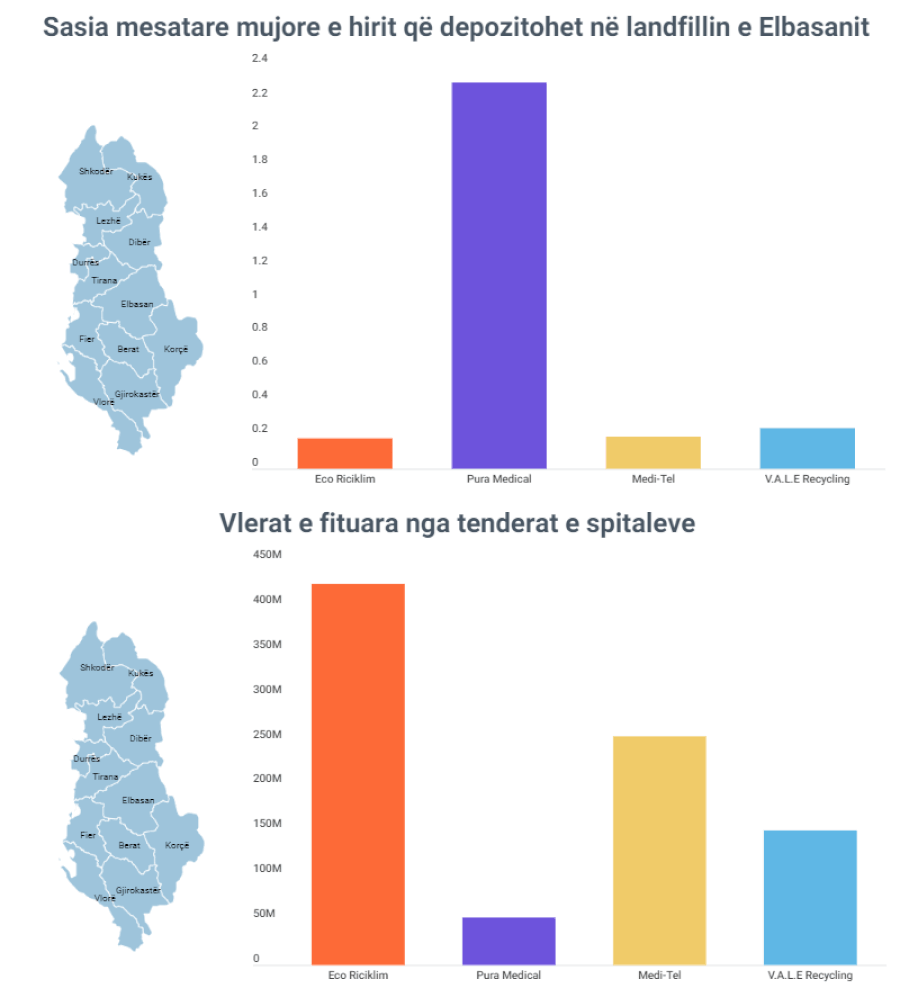
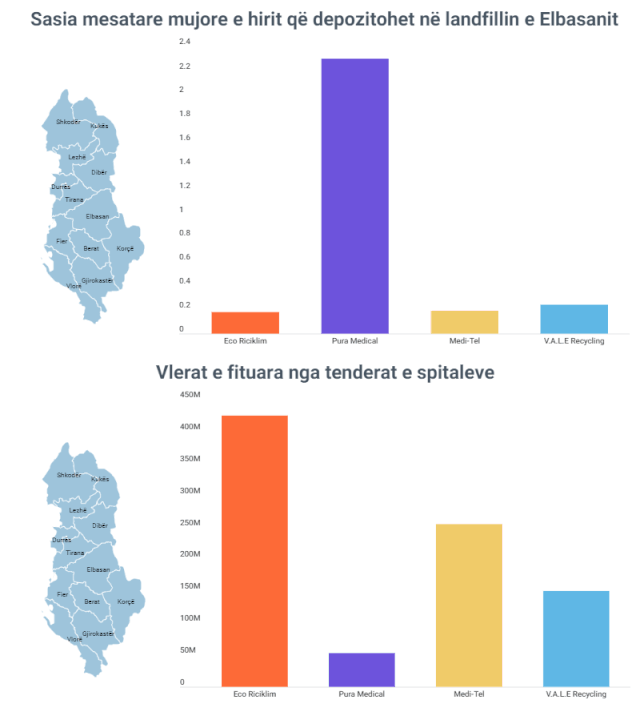
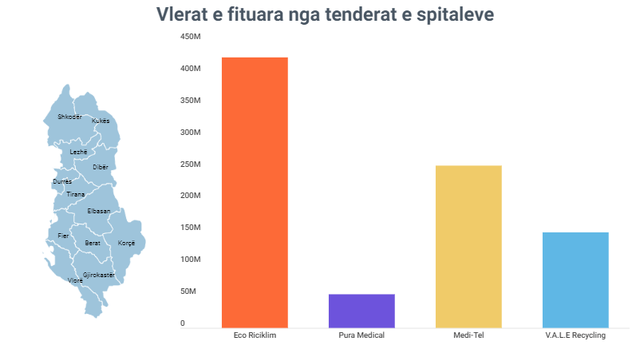
Eco Riciklim është kompania që ka fituar tendera në vlerë më të madhe të llogaritur në 425 milionë lekë, e ndjekur nga Medi -Tel me 255 milionë, V.A.L.E Recycling me 150 milionë lekë dhe Pura Medical me 53 milionë lekë. Tenderat për trajtimin e mbetjeve spitalore janë gjithashtu ndër më të kontestuarit, sipas të dhënave që BIRN siguroi nga vendimet e Komisionit të Prokurimit Publik. Në disa vendime të analizuara, kompanitë ankohen shpesh për kritere penalizuese apo favorizuese për konkurrentët nga ana e spitaleve, ndërsa në një rast, kontestimi lidhej drejtpërdrejt me kontratën e depozitimit të hirit në landfillin e Elbasanit.
Për problemet me tenderat ankohet edhe administratori i kompanisë V.A.L.E Recycling, Elvis Miri. “Kemi problematika nga më të ndryshmet, na ka ardhur në majë të hundës si funksionon këtu. Nëse e nisim nga tenderat, gjithmonë bëhen favorizime për kompani të caktuara dhe është shumë e vështirë,” tha Miri. Tre kompanitë e tjera të trajtimit të mbetjeve spitalore nuk iu përgjigjën kërkesave për koment të BIRN.
Loja me kodet
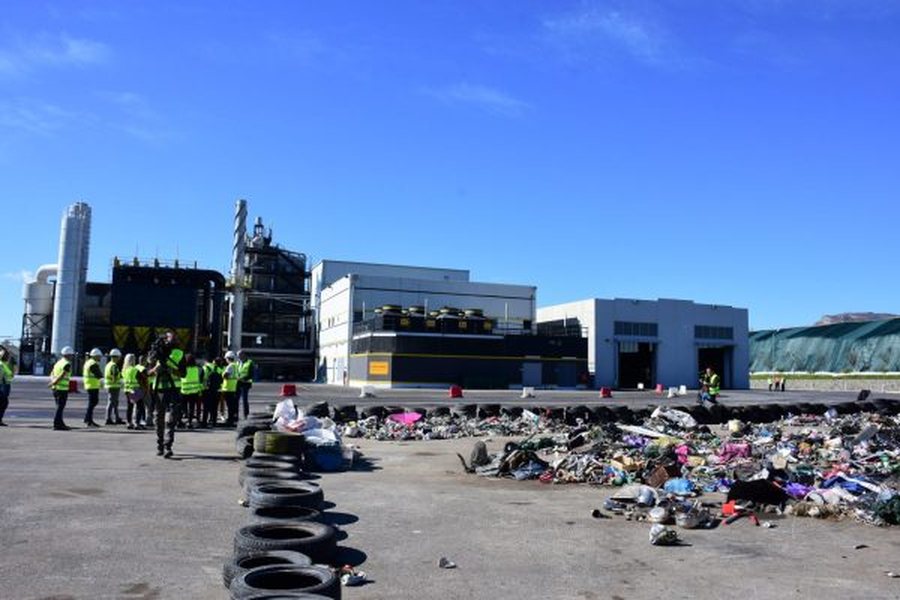
Landfilli dhe inceneratori i trajtimit të mbetjeve në Elbasan u ndërtuan përmes një kontrate koncesionare të qeverisë shqiptare, që çoi në dënimin e ish-ministrit të Mjedisit, Lefter Koka për veprat penale të korrupsionit. Pronarët e kompanisë koncesionare “Albtek Energy” Mirel Mërtiri dhe Stela Gugallja si dhe nënkontraktori Klodian Zoto u dënuan gjithashtu për korrupsion dhe ndodhen prej më shumë se një viti në arrati.
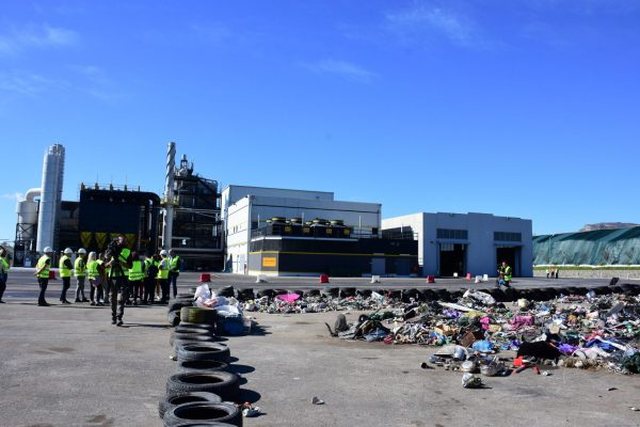
Pas sekuestrimit nga Prokuroria e Posaçme, landfilli dhe incineratori i Elbasanit kaloi nën administrimin e kompanisë publike Eco-Elb, që zotërohet nga bashkitë e qarkut të Elbasanit. Kur Eco-Elb e mori në administrimin incineratorin e Elbasanit, situata ishte emergjente dhe një mal me plehra ishte krijuar në landfill. Ekspertët e konsiderojnë këtë venddepozitim “një hotspot të ri mjedisor” në Shqipëri.
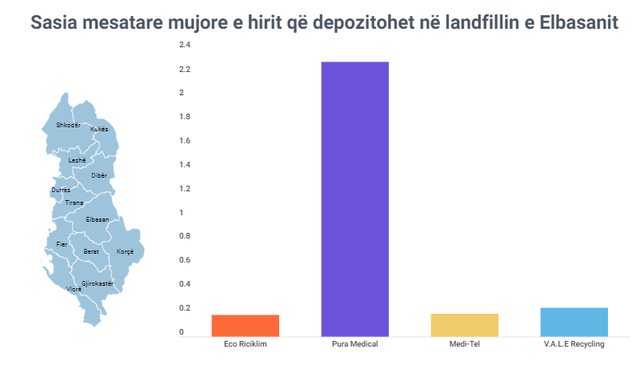
Pavarësisht situatës me mbetjet urbane, kompania Eco- Elb i tha BIRN se kishte pranuar mbetje të hirit nga kompanitë e trajtimit të mbetjeve spitalore në përputhje me lejen mjedisore që dispononte. Kompanitë që kishin depozituar mbetje të tilla ishin Eco Riciklim me një sasi mesatare mujore prej 0,18 ton; Pura Medical me 2.3 ton; Medi -Tel me 0.19 ton dhe Vale Recycling me një sasi mesatare mujore prej 0.24 ton.
Kompania tha se i pranonte mbetjet me kodin 19 01 dhe me përshkrimin “Mbetje nga iceneratorët ose piroliza e mbetjeve”. “Shoqëria Eco-Elb sh.a me personat përgjegjës për pritjen dhe verifikimin e ngarkesave nuk kanë konstatuar ndonjëherë mbetje të rrezikshme spitalore, pasi çdo subjekt depoziton mbetje hiri sipas kontratës,” tha Eco-Elb.
"Every 3/6 months, an analysis sheet is required according to the legislation, which is also submitted to the institutions that make possible the management of the environmental situation," added the company. But the expert Laert Shehu told BIRN that the ash landfill with the 4-digit code is not a correct process, moreover, the Elbasan landfill is licensed to accept waste only from the Elbasan district.
"Using the four-digit code is like using the last name for identification, but not the first name. So we can say the last name, but we don't know which of the family members it is," said Shehu, while adding that the specifications must be according to the 6-digit code. Shehu also explained that advanced plants make a description of the waste that comes out and depending on this description, the way of treatment is determined. "Mostly hospital ones are taken for disposal by burying in the landfill, but they can also be taken for incineration, because there are wastes that are composed of organic waste and are combustible," he added. Experts also mention other factors that make the ash treatment situation unclear, which according to Qirjos from REC Albania, is related to the lack of certified laboratories.
"The lack of certified laboratories for ash quality and metal content in our country makes the quality of these ashes unknown and therefore, we have a significant lack of data on the quantity, quality and treatment of these hazardous wastes ,” he concluded./ BIRN


Lini një Përgjigje