


 Shkruar nga Pamfleti
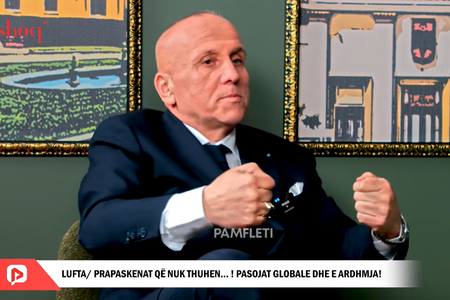
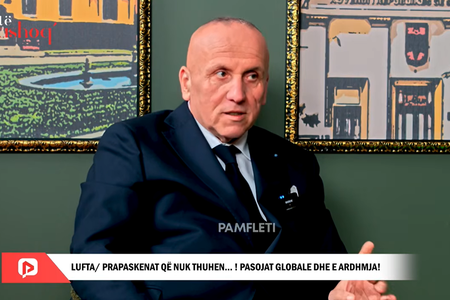
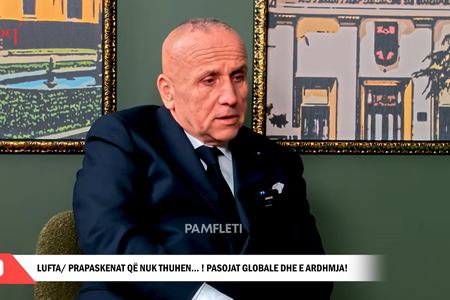
Security expert Ilir Kulla, invited to the show "Të Pashoj" on the "Pamflet" YouTube channel, made an in-depth analysis of the political crisis in Italy after the loss of the referendum on justice reform.
Speaking about the situation of Giorgia Meloni's government, Kulla said that the Italian prime minister received a "heavy slap" with the overwhelming victory of "No" in the referendum, even though according to him, reform was something that Italy had needed for years.
He added that if the referendum had been held three months earlier, it would certainly have passed, but stressed that several circumstances, such as; Meloni's party composition, internal scandals, the Crosetto affair, the economic effects of the war and the tension within the coalition, brought about this defeat.

Excerpt from the interview:
-Now to change the subject a little, what you mentioned earlier. You know Italy very well. So I'm asking you, what's happening? The government seems to be heading towards dissolution, Italy towards new early elections. Giorgia Meloni received a heavy slap with the referendum for, where she attempted changes in the justice system.
Ilir Kulla : She asked, she asked for something that Italy has actually needed for many years. She asked for something right. Very right. Italy has entered.
-Why didn't the Italians appreciate it?
Ilir Kulla: No, let's explain now, there are several reasons. She asked for something that Italy really needed at this moment and has needed for a long time. And part of it, if this referendum had been held three months earlier, I am convinced that the referendum would have passed. But for some circumstances,
- It's momentum, you say?
Ilir Kulla : No no, I'll explain. I'll take it one by one. For some circumstances and for some reasons, even for the moment, it was forced to face a very heavy defeat. And to understand how heavy the defeat is, you have to look at the electoral map. The referendum was also lost in Sicily. Sicily is par excellence always pro-right in Italy. When the vote changes in Sicily, it is a warning that the vote changes throughout the territory. To understand this, we have to go back to 2001, when Berlusconi took power. In Sicily, and in 2006, when he left power and when he took it, when he took power in, he took 61 to 0 in Sicily. 61 deputies and senators to zero. However, in Sicily it lost. Why did it lose? There are several factors. The number one factor is related to the political composition of Meloni's party. It is essentially Mussolini's fascist party.
Në organizim, në mentalitet e të tjera e të tjera. Ata janë njerëz, fashot e 22-shit, jo ajo e 45-ës. Pra fashot janë ata të cilët janë lidhur me me territorin, në aspektin social, të cilët nuk i ndryshojnë bindjet dhe doktrinën e tyre. Dhe kjo është arsyeja pse kanë mbijetuar, se ata mbërritën dhe 2% dhe 4%. Po. Por, duke qeshur, duke qenë se është një parti e ngurtë e tillë, ajo është një parti që ka qenë e përgatitur për pushtet deri në 5 deri në 8%. Pushtetin deri në 40% që e mori zonja Meloni, e kishte të pamundur ta menaxhonte me atë grup njerëzish që ka, sepse ishte, ishin të pamjaftueshëm. Po. Ky grup njerëzish është ai që filloi t'i prodhonte skandalet e brendshme dhe t'i prodhonte problemet e brendshme. Jo rastësisht, dorëheqja e sotshme e detyruar e Delmastro, zëvendësministrit të Drejtësisë, dëbimi i shefes së kabinetit të Ministrit të Drejtësisë, kërkesa për largimin e Ministrit të Drejtësisë e të tjerë, janë të gjitha probleme që vijnë nga brenda partisë së zonjës Meloni.
Nga ana tjetër, kemi edhe ngjarjen që i ndodhi, të kopshme, por politikisht shumë të rëndë, që fillimi i luftës, e gjeti Crosetto-n, ministrin e mbrojtjes, një bashkëthemelues i forcës politike të Melonit dhe historikisht aty, në Dubai, një figurë jashtëzakonisht qesharake dhe të shëmtuar, jo vetëm për të si individ, por edhe për qeverinë, duke qenë se është një nga qeveritë më të rëndësishme të NATO-s dhe të gjithë botës, që ngeli si si çdo emigrant tjetër dhe nuk kishte mundësi që ta ta sillnin mbrapa. Duke shkuar një vit më përpara, në përplasjet publike të zotit Guido Crosetto, i cili është një njeri që e njeh Shqipërinë shumë mirë, me shërbimet e inteligjencës në Itali. Kanë pasur, fiks një vit përpara, përplasje të forta midis shërbimit të inteligjencës dhe Crosetto-s. U aludua në faktin, a ishte Crosetto që nuk ka dëgjuar faktin që shërbimet kanë informuar që ore, këtu do ketë luftë dhe çfarë bën, pra, apo ishin shërbimet që nuk kanë funksionuar. Dhe është dëshmuar që shërbimet kanë informuar qeverinë dhe ministri i mbrojtjes ka qenë në dijeni të asaj që ndodhte. Dhe nëse një muaj më përpara, nuk do të perceptohej që sjellja e Crosetto-s dhe e qeverisë ishte arrogante që ne, nuk na e ndjen domethënë, dhe kjo arrogancë u reflektua në publik. Pra, nëse Meloni do ta kishte larguar Crosetto-n, megjithëse do kishte pasur një problem brenda partisë, por kjo gjë nuk do kishte efekt tek referendumi i sotshëm. E treta, që është më e rëndësishmja. Lufta solli efekte të drejtpërdrejta në çështjen e inflacionit në Itali, që është një problem i tej skajshëm. Rritja e çmimit të naftës, gazit, lëndëve të para, është një gjë që ndihet drejtpërdrejt.
And a month of war and two weeks of war are enough to make the inattentive part of the electorate say, wait, you brought me the tip of my nose. The fourth, which is even more important, is the part of young voters. In every three young people who voted for the first time, two voted against the majority, that is, not to change the constitution. Which shows that these four years of governance and the change of almost 80% of the things that it said when it was in opposition, in relation to being in power, has led this majority, in particular Mrs. Meloni who came to power with 30 or so percent, to the loss of the young voter, who has always been the anti-system voter. Yes. And the fifth, which in my opinion is also the key to reading this whole thing, is the fact that Mrs. Meloni finds it impossible to have a political coexistence, on the one hand, with the liberals of Forza Italia who came from Silvio Berlusconi's system, who were actually the ones who wanted to change this reform in justice, because it was this justice that politically ate the heads of Berlusconi and the right, with the most intransigent, most radical, and strongest part, even within her party, but above all with her ally, which is the League, the former Northern League, Salvini's League. Which, on the one hand, says that Meloni grew up on our backs, and so it was, because they were much higher than Meloni five years ago, and on the other hand, they say, why should we, when our electorate is in favor of justice, why should we go where Berlusconi is pulling us?
So, will Berlusconi take us with him even from the grave? And last but not least, Andreotti used to say: Experience is the sum of all the times that he has been brought into life. And he was a very great figure, from a former prime minister. Now, 10 years ago, precisely in Italy Matteo Renzi was overthrown, who was the man who had the greatest political support in history, and more than Meloni, with 42.5%, precisely because he held a referendum. Why? A referendum is a machine that you can easily gather those who think against you, but it does not necessarily mean that they will vote for your opposition. So, one yes and one no. So I am very convinced that all those who voted no, if they go to the general election, it does not mean that they will vote no against Meloni.
-So you don't necessarily read it that way.
Ilir Kulla : Not necessarily.


Lini një Përgjigje