


 Shkruar nga Pamfleti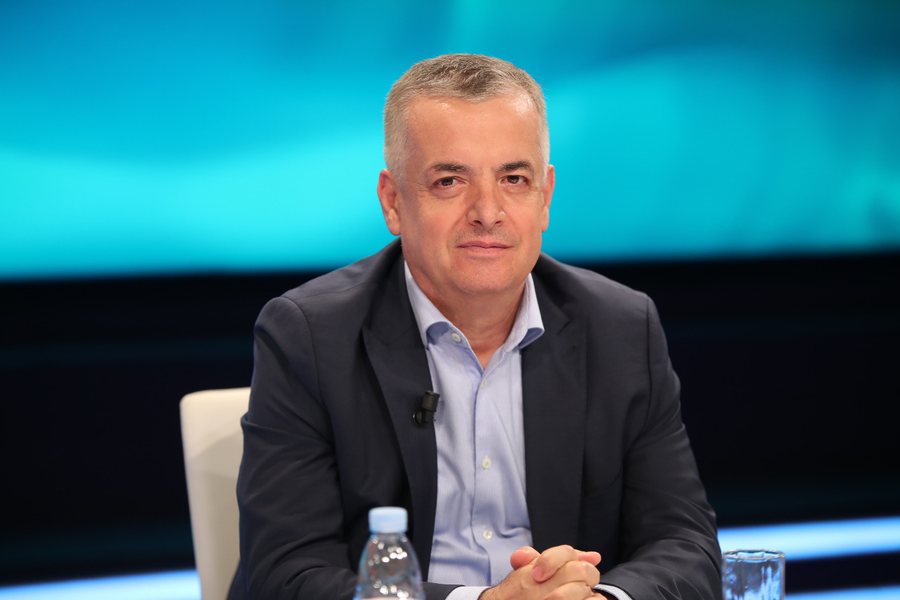
Greece officially threatened Albania that it will block the European integration process because of the Beler case. International countries such as Germany and Spain have reacted and criticized Athens' attitude. Diplomatic sources quoted by Kathimerini say that the Spanish presidency of the union is "particularly irritated" with the Greek side.
Analyst Mentor Nazarko called the position of international countries as favorable for Albania, since Beleri is not a European issue and Greece cannot transform its individual position into a collective one.
According to him, this position increases the power of Albania in the international arena, since the Balkans is considered a second center of crisis in Europe and the big powers do not want small Balkan quarrels to turn into collective positions.
"This is an interesting and favorable development for Albania, which is an affirmation of the growth of Albania's international power. Specifically, the increase in the reputation that Albania has, especially among the leading states of the EU, and in a context like this, it is practically difficult for Greece to adopt bilateral measures. The fact that the most serious Greek newspaper Kathimerini has reacted to this topic is evidence of what Greece is suffering to transform its individual position into the collective position of the EU. I don't know if there are internal political interests, but the dignity of a medium or regional power like Greece is considered affected at the moment when Albania has publicly refused to implement its orders regarding the Beleri case. This issue is not considered a European issue and the EU, in conditions where the Balkans are considered to be a second center of crisis in Europe after Ukraine, does not want the small inter-Balkan quarrels of its problematic members such as Greece and Bulgaria to are transformed into collective attitudes. It seems far away that period where, after a long embargo by Greece against Macedonia and then Bulgaria, to imagine that the same thing could happen to Albania", said Nazarko in ABC News.
According to him, Albania should also be more proactive in this matter. He says that, just as Greece is trying to block European integration, Albania must also show the Union who Fredi Beleri really is and "what is the meaning of this Greek blockade towards Albania".
"We are already at the stage where after the closing of the screening process. Albania must receive a collective letter for the continuation of negotiations, signed by all member states. Greece did not send it, but we have a deadline until the end of the year, but as I said, this European support is a clear indication that Albania enjoys high quotas among the most important countries of the EU or among all countries without distinction, especially with its policies either within the Security Council or with the construction related to illegal immigration, such as the Meloni agreement, which enjoyed the support of Chancellor Scholz. In this context like this, Greece finds it very difficult to turn an issue like that of Beler into a European issue. Of course, Greece uses legal arguments, which seem to be related to the European Convention on human rights, with universally valid principles such as the presumption of innocence or the due process of law, but I doubt that Greece, at least at this stage, find it easy to impose its behavior collectively. I expect Albania to be more proactive about this issue, Beler's figure should be propagated. A file similar to the one that Greece distributes against us in the European arena, will have to be distributed to EU member states to show who Beleri really is. What is the significance of this Greek blockade towards Albania and with which character are the rights of the Greek minority in Albania related? So, it must be clearly shown that Beleri is a dark figure, he is not a representative of the Greek minority, so this is not the case for the EU to follow Greece in the blockades that it does to Macedonia, then to Albania, tomorrow to Kosovo, etc., Nazarko said. .







Lini një Përgjigje