


 Shkruar nga Pamfleti
In his first statements, Julian Sinanaj displayed a trait that distinguished him from every other repentant person: he did not accuse third parties to gain favors.
He spoke about himself. About the crimes he had committed. With clinical calm, he told how he had organized the murder of the businessman in Tirana. How he had coordinated his collaborators. He was not a classic repentant. He was a man who, as he himself said, “was tired.” Not of conscience, but of logistical fatigue: hiding his tracks, protecting himself, not trusting anyone. He was tired of perfection.
Initially, he chose to speak, revealing everything: names, schemes, locations, murder mechanisms, details that only the perpetrator could know. The chain of names from the business and criminal world that he mentioned had an impact from Vlora to Tirana. His stories highlighted the false balance of peace that these characters maintained.
"I think that if this fugitive from justice were treated and managed much better, we would have many other cases discovered, which to this day remain undiscovered," said former prosecutor Eugen Beci.
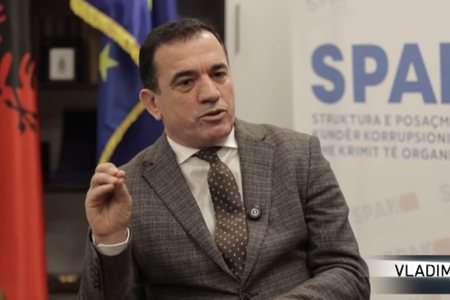
"Generally, the witnesses with whom we have had an agreement have delivered results, have been correct, just as we have had other witnesses with whom an agreement was made, and due to violating the agreement, they have been removed from the witness program because they have not been correct in applying the law, as is actually required in the agreement with the justice collaborator," said Vladimir Mara, SPAK prosecutor.
The unexpected happened to Sinanaj. He realized that not everything he said was going where it should. Not every piece of information was being followed up. Some leads were being left hanging, some names were not being touched at all. The agreement with the prosecution was broken. He withdrew. Julian Sinanaj did not withdraw from fear. He withdrew from something much deeper and more dangerous: from the loss of trust.
"He did not do this with every institution because, according to statements, many institutions, people who should have been enforcing the law, were involved in providing information on very serious crimes and he did not have the proper trust with these institutions."
He understood that institutions can bargain. That the most serious truths are not hidden by the fear of criminals, but by the silence of those who uphold the law. He realized that perhaps he had crossed the invisible line of tolerance. And at that moment, he retreated. He said nothing more, because he no longer had faith. Not in a prosecutor. Not in a policeman. But in justice itself.
"There have been cases when those who have cooperated with justice have become remorseful and during the investigation have ascertained, so to speak, a bias on the part of the prosecution or a lack of will to investigate or bring to the end the facts that he shows. Here, by creating suspicion, the repentant person can withdraw," said former prosecutor Eugen Beci.
After breaking the agreements, with the argument that he helped to uncover the events, Julian Sinanaj did not receive life imprisonment, but only 30 years. He was convicted of the murders of Sokol Veizaj and Agron Çela, the failed TNT assassinations of the Commissioner for the Right to Information Besnik Dervishaj, and the former Democratic MP Ardian Kollozi. He also spoke about planning the murders of gas businessman Piro Bare and two builders in Vlora. Fortunately, those events did not come true. Before investigators, he revealed the secrets of the criminal underworld in Vlora and how figures with dark pasts had become well-known businessmen. / Inside Story /



Lini një Përgjigje