


 Shkruar nga Pamfleti
It is also a story of how doctors raise their hands and guide families full of problems to find solutions in hospitals abroad. It is a story of how "free health" is simply a "reality" that only the government officials believe, but not the citizens who have to face the lack of many things, including the impossibility of clarifying what they should do.
Journalist Klodiana Lala has shown the details of how the 9-day-old child died, as there was no equipment for treatment at QSUT.
Lala's story:
I wouldn't have told this story if I thought it only belonged to a couple of people I know personally. It is not a story about their pain, but about all our pain, as we see the citizens who wander to the doors of hospitals, but buy their medicines in pharmacies or privately.
It is also a story of how doctors raise their hands and guide families full of problems to find solutions in hospitals abroad. It is a story of how "free health" is simply a "reality" that only the government officials believe, but not the citizens who have to face the lack of many things, including the impossibility of clarifying what they should do.
The story I want to bring you today was told to me by a father who is still recovering from the loss of his 9-day-old son and who is struggling to find justice for what happened to him.
....
I have known the approach more than 15 years ago. We worked for the same company. He was a silent boy, ubiquitous, dedicated to work. He never complained. Also, I never once heard him speak against a colleague or deal with other people's business. About 6 years ago, he left for another job. Because my daily life is often busy and hectic, between work and two small children, I don't manage to sit down with many of those I would like to talk to and be in a cafe even for a few minutes.
But Afrim's story made me stop for a long time. I learned from mutual friends that he was married and had a daughter. By chance, I learned that he had a friend of mine from the faculty as his wife. A smiling girl once, an excellent student, today I am a dedicated official and also a devoted mother. And when Afrimi persistently asked me to meet, I felt that he wanted to discuss an important matter.
With that calmness of his, Afrimi asked me at length about his family and work. At one point he said to me: "I am going through a terrible moment in my life. A few days ago I had an accident. The 9-day-old boy died in the hospital." Naturally, my eyes filled with tears. "I have turned to the prosecutor's office, because my son died after not receiving proper medical care."
He told me the story from start to finish. "The boy was born well. Healthy (shows me the picture, a baby with black hair). You have no idea what joy we experienced. The bride was fine too. The problems started 4 hours after he was born. It started to darken on the lips," he told me.
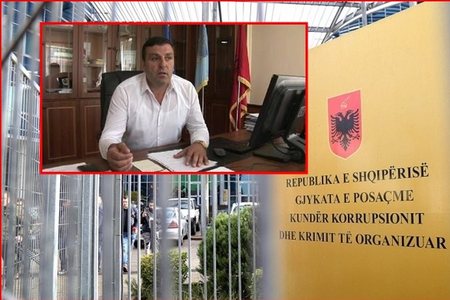
He had explained these details to the prosecution. "I, the complainant, sent my wife Obstetrics and Gynecology "Queen Geraldine" for a planned delivery by operation on August 13, 2023. At 11.35 the child was born. The birth went very well and the baby was born weighing less than 3950 kg. Around 20:00 it was found that the child has problems with oxygenation. The child was sent to the intensive care unit where further examinations were performed", reports Afrimi, among other things.
This is where the ordeal of suffering begins for him.
"The doctors told us that there was a problem in the heart", he says. But since the maternity hospital had neither specialist doctors nor the relevant equipment, it was planned to carry out the check on August 14 near the Pediatric Hospital at QSUT", he says.
After the check-up, the doctors informed Afrimi that an immediate coronary surgical intervention was needed to expand the veins in order to facilitate the circulation of oxygen in the child's body.
"The intervention had to be done as urgently as possible. Every second that passed could prove fatal for the boy's life. The doctor told me that in our hospital we do not have the opportunity to do this type of intervention because we do not have an operating room for children, nor specialist doctors, nor the necessary medicines to treat this case", he further confesses.
I was shocked - says Afrimi - I had to do my best to save my son.
“Duhet ta gjeja ilacin që mungonte në spital. Bëhej fjalë për ilacin Alprostoglandinë. Edhe mjekët e maternitetit më thanë që nuk e kishin këtë ilac. Mund të gjendej vetëm të spitali Amerikan. E kërkova gjithandej nëpër farmaci dhe në fund shkova të Amerikan 3. Ilaci kushtonte 20.700 lekë një ampulë. Unë kisha vetëm 300 mijë lekë të vjetra. Mora vetëm një flakon dhe ika, ti zgjasja dhe disa orë jetë djalit. Më duhet të gjeja lekët e tjera”, rrëfen më tej Afrimi.
Më thanë dërgoje ne Itali thotë me ofshamë por unë nuk kam mundësi financiare. “Bëj punë të ndershme. Mbaj familjen. Kam 30 vite që paguaj taksa”, shpjegon.
Për shkak të mungesës së ndërhyrjes koronare dhe mostrajtimit me ilace, djali filloj të nxihej në fytyrë.
“Sic të tregova ilacin e sigurova privatisht dhe djali filloi të bëhej me mirë. Mjekët më thoshin: shih ndonjë mundësi ta dërgosh jashtë, për këtë se arrija dot. Djali u trajtua me ilaç deri më 22 gusht. Përmes disa të njohurve të mi, u informova se në Shqipëri ishte një mjek i specializuar për ndërhyrje të tilla. Ishte mjeku Altin Veshti. Bisedova me të. Ai e mori përsipër ndërhyrjen, por më tha që as tek Kardio-Kirurgjia nuk disponohen mjetet e duhura dhe sallat e operimit për ndërhyrje kirurgjikale për beben. E transferuam djalin urgjenca e Pediatrisë. Edhe aty e dërgova vetë ilaçin se nuk e kishin. Duke qenë se s’kishte salla operimi për foshnja, djalin vendosëm ta transferojnë për operim te spitali I Kardiologjisë, për personat madhorë”, shpjegon më tej Afrimi.
Ai tregon se transferimi në Kardiologji, paraqiste risqe të mëdha, përderisa ekzistonte risku që djali të merrte infeksione operatore nga salla e të rriturve. “Nuk kisha zgjidhje tjetër. E futa djalin në operacion. Zgjati 5 orë. Doktori na tha se ndërhyrja rezultoi me sukses dhe se duhet të prisnim për të parë ecurinë. Të nesërmen u bë kontrolli dhe dukej sikur gjithçka po shkonte mirë, por nisi problem me urinimin”, tregon.
Mjeku na tha që duhet të urinonte patjetër në mënyrë që trupi i fëmijës të pastrohej – thotë Afrimi – por mjeket na thanë që spitali nuk dispononte aparaturat e duhura që të bënte shkarkimin e veshkave. “Kjo solli rëndimin e gjendjes së tij dhe djali po rëndohej gjithmonë edhe me shumë. Filloi të fryhej dhe këmbët filluan ti nxihen. Kjo gjendje zgjati deri në orën 05.00 të mëngjesit të 25 gushtit. Djali ndërroi jetë”, kujton mes lotësh. Për Afrimin, djali ndërroi jetë se nuk mori trajtimin e duhur.
“Por unë jam qytetar i rregullt e paguaj taksa”, thekson ai.
“Unë dhe bashkëshortja ime, kemi pothuajse 30 vite që paguajmë kontributet për sigurimet shoqërore e shëndetësore. Kemi dhënë gjithë këto vite contribute në buxhetin e shtetit, që kur te kishim nevojë siç patëm në këtë rast shteti shqiptar nëpërmjet shërbimit shëndetësor të na ofronte shërbimin e duhur mjekësor dhe jo ta linin djalin tonë të vdiste me argumentin se nuk kemi mjetet e duhura për ta trajtuar. Djali jonë u diagnostikua me problemin shëndetësor, transpozicion të enëve të mëdha të zemrës, e cila nuk ishte sëmundje e pashërueshme, por problemi shëndetësor kërkonte trajtim urgjent”, thuhet në padi.
“Im bir nuk kthehet më, por dua drejtësi. E nuk mund të hesht, sepse të tjerë fëmijë mund të vdesin. Ndaj iu drejtova prokurorisë”, e mbyll bisedën.
As we get up, we call the waiter to pay for the coffee. We had taken a coffee and a water. "I'm giving you the boy's coffee. He is no longer alive, but he could live if he had health care," he says as his eyes tear up. And with him, I can't stand either without tears or without describing this story.


Lini një Përgjigje