


 Shkruar nga Pamfleti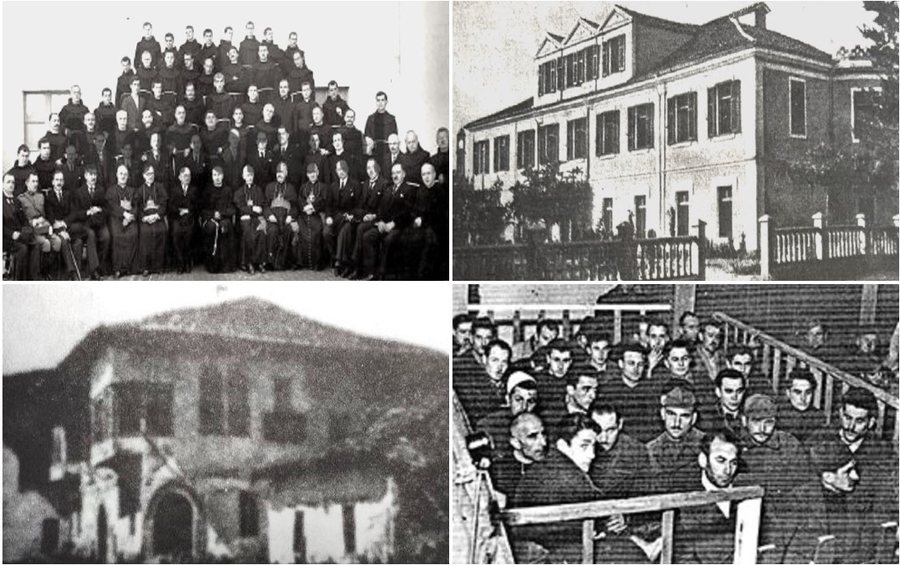
What has happened to Albanian classical music seems to be part of a divine project. Several great composers and singers were born in the mid-1920s in Shkodra, where, when they reached the age of schooling, music schools and choirs had already been formed in the Catholic parishes. For this, there had to have been teachers who laid the foundations of these structures, such as Martin Gjoka, the first composer of classical music in Albania, a Franciscan friar, a teacher at the “Illyricum” high school, who founded the band, the choir of the Church of the Friars and the music school.
He gave Albanian music not only the first classical compositions, but also the musicians who were trained in these schools and became teachers of the new generation, such as Prenk Jakova or Filip Mazreku. Everyone, rightly, knows the composer of the first Albanian opera, but the same cannot be said for Filip Mazreku, and yet, if we were to talk about the history of music in Albania, this name could not be left without mentioning.
Filipi, initially a student of Martin Gjoka, later became the successor of his work in preparing new generations of musicians, those born in the mid-1920s, such as Tish Daija - the composer of the first Albanian ballet; composers Tonin Harapi, Çesk Zadeja; the great lyric singer, Lukë Kaçaj, etc.
Mazreku had been dedicated to music since he began his studies at the Seraphic College of Troshan. He cultivated this passion under the guidance of Justin Rrota and Martin Gjoka, practicing on the harmoniums of the Franciscan Church that had been taught to sound under the fingers of these great masters. He then continued his theological studies in Italy, where he also took music lessons. As Daniel Gjeçaj writes in a biography dedicated to his friend, Filip Mazreku, in Italy he had the famous master, Tomasini, the organist of the main assembly of Florence, as his teacher.
He returned to Albania in 1937 and from that year he began serving as a priest and working as a teacher of Italian and music in “Illyricum”. He also began directing the choral groups of children aged 6-7. By now his teacher, Martin Gjoka, had left Shkodra for Puka, also in search of a better climate for his poor health – as explained by Anton Lleshi, the son of Filip Mazreku’s sister, who has made available for this article all the memories, photos and data collected over the years about his uncle.
So Filip Mazreku also took over the leadership of the Franciscan “Scuola Canturum” founded by Martin Gjoka. It was precisely in these groups, like Prenk Jakova, that Tish Daija, Çesk Zadeja, Tonin Harapi, Simon Gjoni and other authors of well-known works would begin their musical training, who would fill the classical music stages with sound and enter, through songs, the homes and hearts of Albanians, as a mission of that musical project that, willy-nilly, seems divine.
However, the communist regime that was established in Albania after the War had a fundamental problem with the divine and all forms of its expression on earth. Intellectuals, artists, scientists, but above all clergymen were targeted. Several buildings that were once churches, assemblies and dormitories were raided and turned into prisons and places of torture that, especially in the city of Shkodra, would reach a record number along with the number of those arrested within them. The Franciscan Assembly was dissolved.
Some of the friars remained in Shkodra, others went to their families, and others to parishes in remote areas. But, nevertheless, busy or not with the work of religious service, all of them were waiting, waiting for the punishment that would sooner or later reach them. And, for Father Filip Mazreku, it arrived on September 28, 1946. They arrested him in Rrapshë i Hotit, where he was serving at that time, which is located at the beginning of the mountain road to Vermosh.
“One dark night, the Sigurimi forces, armed to the teeth, surrounded the cell of Rrapsha, where the innocent musician Frati slept, amidst his instruments, and his old mother, Shaqja, who served him… They knocked on the door with a machine gun. They arrested him and took him away, loaded him with handcuffs, without even leaving his clothes on. They took him just as he had jumped from the bed, empty and empty.
On the way he was subjected to torture: they spat on him, beat him, threw him to the ground several times. When he arrived in Koplik he was covered in blood. From that time on, his greatest oath was: "By the sufferings I endured in Koplik", writes the Franciscan Daniel Gjeçaj, who fled from Albania in 1948 and was one of the main figures of the Albanian program of Vatican Radio after 1955.
These were the days of rapid arrests after the Postriba Uprising. A few days earlier, Dom Pjetër Gruda and Padër Çiril Cani had been arrested. Later, they would also arrest Padër Mark Harapi, Padër Frano Kirin and Padër Agostin Ashiku. The arrest warrants for the clergy were signed by the prosecutor of Shkodra, Hys Zaja, who would later make a career as a military prosecutor in Elbasan as well.
The six clerics, as Veli Haklaj points out in a study, were accused of "weakening national defense", provided for by Article 7, paragraph II, of Law No. 368, dated December 5, 1946, which would be published in the Official Gazette on December 19, 1946, a date when some of the arrests had already been made and the clerics had been imprisoned.
Në studimin e tij, Haklaj ka publikuar pjesë nga proces-verbalet e pyetjes së këtyre klerikëve në zyrat e Seksionit të Sigurimit të Shtetit në Shkodër, për të cilat ai vetë thotë se; “duhet konsideruar fakti se ata që patën fatin tragjik të kalonin në seancat hetimore të Sigurimit të Shtetit, u është dashur të përballojnë një kalvar të paimagjinueshëm vuajtjesh dhe torturash nga më çnjerëzoret”.
Ndërkohë, edhe nipi i Padër Filip Mazrrekut shfaq rezerva për autenticitetin e këtyre deklaratave që “duken të njëllojta, vetëm emni u ndryshon”. Megjithatë, qëndrimi kundër komunizmit ateist, i shprehur në këto deklarata, është i pamohueshëm. Filip Mazreku kishte ca arsye të forta më tepër për të qenë kundër komunizmit. “Jam arrestuar më 28 shtator 1946 nga organet e Mbrojtjes së Popullit, me akuzë se kam treguar aktivitet reaksionar. Kjo i avitet deri diku të vërtetës, mbasi unë kam qenë i pakënaqur nga pushteti, jo vetëm pse një vëlla më është ekzekutuar nga partizanët, por edhe pse të gjithë priftërinjtë katolikë mbanin qëndrim armiqësor karshi këtij pushteti”, – shkruhet në deklaratat e tij.
Në familjen e tyre me origjinë nga Kosova ishin gjashtë vëllezër dhe një motër. Babai Pjetri, pasi kishte punuar në hekurudha në vende të ndryshme, përfshirë dhe Selanikun ku ishte lindur Filipi më 1913, ishte vendosur në Shkodër dhe kishte hapur dy shkolla shqipe në rrethina. Katër nga vëllezërit ishin ushtarakë: dy kapitenë në ushtri dhe dy oficerë kuesture. Kishte kaluar ende pak kohë qëkur komunistët kishin marrë pushtetin dhe nga kjo familje patriotësh një ishte pushkatuar pa gjyq gjatë reprezalje së tetor-nëntorit 1944 në Tiranë kundër ushtarakëve; dy ishin në burg të dënuar me nga 20 vjet dhe një tjetër ishte dënuar në Jugosllavi, pas arratisjes. Tani ishte radha e Filipit.
Hetuesia zgjati me muaj. Filp Mazreku merrej në pyetje nga hetuesi Nesti Kopali. Siç e tregonin edhe rrobat e gjakosura që e motra e Filipit i merrte vazhdimisht për t’i larë, ai bashkë me priftërinjtë e tjerë, u tortura pa mëshirë. Edhe orët e kaluara në birucë, kur nuk torturoheshin nga hetuesit, ishin ezauruese, sepse të arrestuarit i mbanin natë e ditë lidhur me pranga me një të dënuar tjetër, duke krijuar mes tyre një hallkë përçuese të dridhjeve, vuajtjeve, gulçimeve, rënkimeve e anktheve, që edhe kur linin njërin, i nisnin tjetrit e thuajse nuk qetësoheshin kurrë.
Filip Mazrrekun, siç tregon i nipi, e lidhën me mullisin e Drishtit; Aliut dhe fratit katolik i duhej të ulej me të sa herë që Aliu mysliman falej. Kjo marrëdhënie kaq e afërt bashkoi më pas në miqësi të përhershme familjet e tyre. Sipas Anton Lleshit, të cilit ia ka treguar këto vuajtje e ëma, (motra e Filipit), pasi vetë daja nuk u tregonte gjë, Filip Mazrreku gjatë kohës së hetuesisë provoi disa nga torturat më makabre që aplikonin hetuesit komunistë në ato vite: vezët e ziera në sqetull, lidhjen në thes me një mace, kunja pishe poshtë thonjve, çengela në shpinë etj.
Fillimisht e dënuan me pushkatim, por më pas dënimi iu kthye në 10 vjet burg. E dërguan në Beden ku një brigadë ishte e gjitha me priftërinj katolikë 28 syresh nga 26 në 75 vjeç, punonin në kushte shfarosëse për të hapur kanale e ku sigurisht më të rinjtë siç ishte dhe Filip Mazrreku, (35 vjeç në atë kohë), duhej të mbanin peshën më të madhe dhe pse duart e tij ishin bërë për t’i rënë organos. U lirua pas tre vitesh, në një nga ato rishikimet që diktatura i bënte vetvetes.
Feja ishte ende e lejueshme në Shqipëri dhe Filip Mazreku iu rikthye veprimtarisë fetare, fillimisht në Tiranë si rektor i Kishës Françeskane, mandej në Laç e si përfundim në Troshan. U kthye në famullinë e atij vendi ku kishte nisur rrugën meshtarike e ku edhe do ta mbyllte, bashkë me jetën.
Shërbeu publikisht si meshtar deri në vitin 1967, kur feja u shpall e paligjshme. Më pas iu desh që trupit dhe jetës t’i jepte një veshje laike. Me zor nxori lejen e banimit për një kolibe që kishte qenë furrë buke, pranë Kishës së Troshanit, dhe me ndihmën e të afërmve e bëri të banueshme. Veshi rrobat e bujkut. Nisi punë në kooperativën bujqësore të fshatit. Gishtat e tij prej pianisti edhe një herë tjetër u detyruan të kapnin vegla pune të rëndë. Këtë herë përgjithmonë.
Megjithatë, brenda kësaj veshjeje të re mbetej po ai shpirt meshtaraku. Troshani nuk kishte më një ndërtesë për shërbesat fetare, por kishte një njeri që mund të mbante gjallë besimin dhe shpresën në Zot te ata njerëz të varfër e të munduar nga puna e rëndë, që rastisën të ishin ndër njerëzit më besnikë në Shqipërinë e përçudnuar nga diktatura, duke mbrojtur me heshtjen dhe dashurinë e tyre, priftin që, kësisoj, i shpëtoi arrestimit të dytë.
Banorët e Troshanit u bënë familja dhe miqtë e tij, por nuk i mungoi as kujdesi i familjes dhe pak miqve të dikurshëm. Në mënyrë të veçantë, Anton Lleshi përmend bashkëshortin e motrës së vet, mbesës së Filip Mazrekut, Ndoc Mjeda, “arsimtar në Bushat, që shkonte vazhdimisht dhe i dërgonte ushqime dimën e verë”. Por, kishte shkuar ta vizitonte edhe ish-nxënës i tij, Lukë Kaçaj, artist brilant e kokëkrisur, që nuk trembej lehtë, siç ndodh me të gjithë njerëzit pak sa janë që mbështeten te e vërteta dhe e drejta.
Ishte kjo lloj dashurie njerëzore, veç dashurisë hyjnore e cila do e gjente në çdo burg e kolibe, dhurata e vetme që i dha jeta këtij frati muzikant e që ishte shumë ato kohë kur ishte e vështirë të tregoheshe mik apo njeri. Ajo dashuri e shoqëroi me një manifestim thuajse unikal edhe pasi mbylli sytë më 1 nëntor 1984 dhe kur u përcoll nga kjo botë të nesërmen.
“Dua të kujtoj popullin e Troshanit që e deshti dhe e respektoi aq shumë dajën Padër Filipin sa e mbajtën në gjinin e tyne, nji rast i rrallë me priftat e tjerë dhe kur vdiq, morën pjesë edhe ata në nji ceremoni të madhe, se na si të afërm e kishim për detyrë. Nuk mjaftoi kjo, por i banë dhe vorrin, që i falënderoj pa masë”, – tregon Antoni. Filip Mazreku u vendos në varrezën pas Kuvendit të Troshanit, ku prehet edhe sot.
Filip Mazreku kept the faith in God alive among the inhabitants of Troshan, even though religion was banned in Albania. Those inhabitants loved the musician-brother, even though staying close to a once-convicted priest was a dangerous business. They openly showed this respect when the teacher passed away on November 2, 1984, with the massive participation of Troshan and Fishta. Meanwhile, the dictatorship not only erased the name of the teacher of Tish Daija, Çesk Zade, Tonin Harapi, Lukë Kaçaj, etc., but also arrested, tortured, sent to the Bedeni camp and finally forced him to work as a farmer.
The dictatorship did not remember him on any important date; it tried to erase Filip Mazreku's name from the history of music and never mentioned his contribution, despite the fact that the poor lives of the people during those years were made more beautiful by the music created by the students of that man, who rested in Troshan, where he had worked as a farmer away from music and public attention ... reminding you of a phrase by George Eliot: "... that things are not as bad as they could be, for me and for you, is owed, in half the cases, to those who lived a secret life and rest in unvisited graves."/Memorie.al





Lini një Përgjigje